
Last updated November 4, 2026
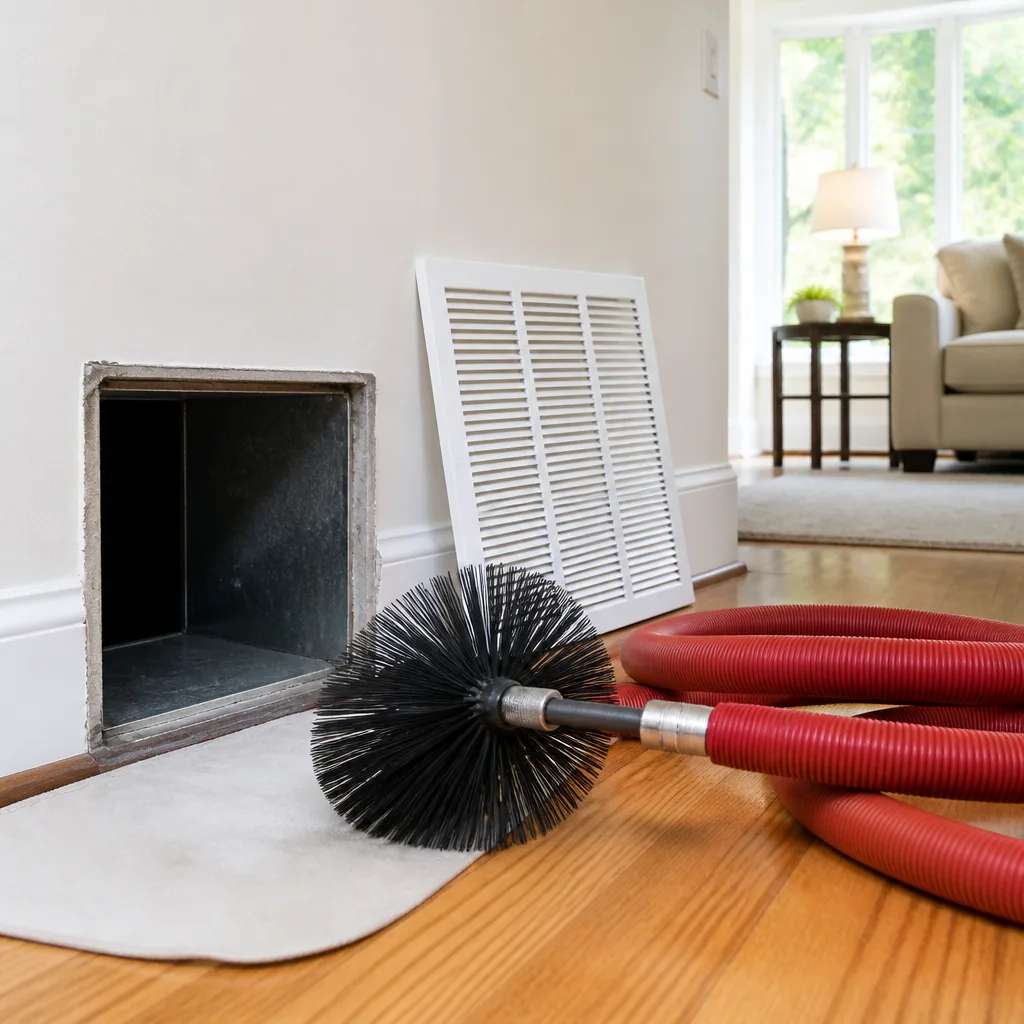 Whole-home duct cleaning
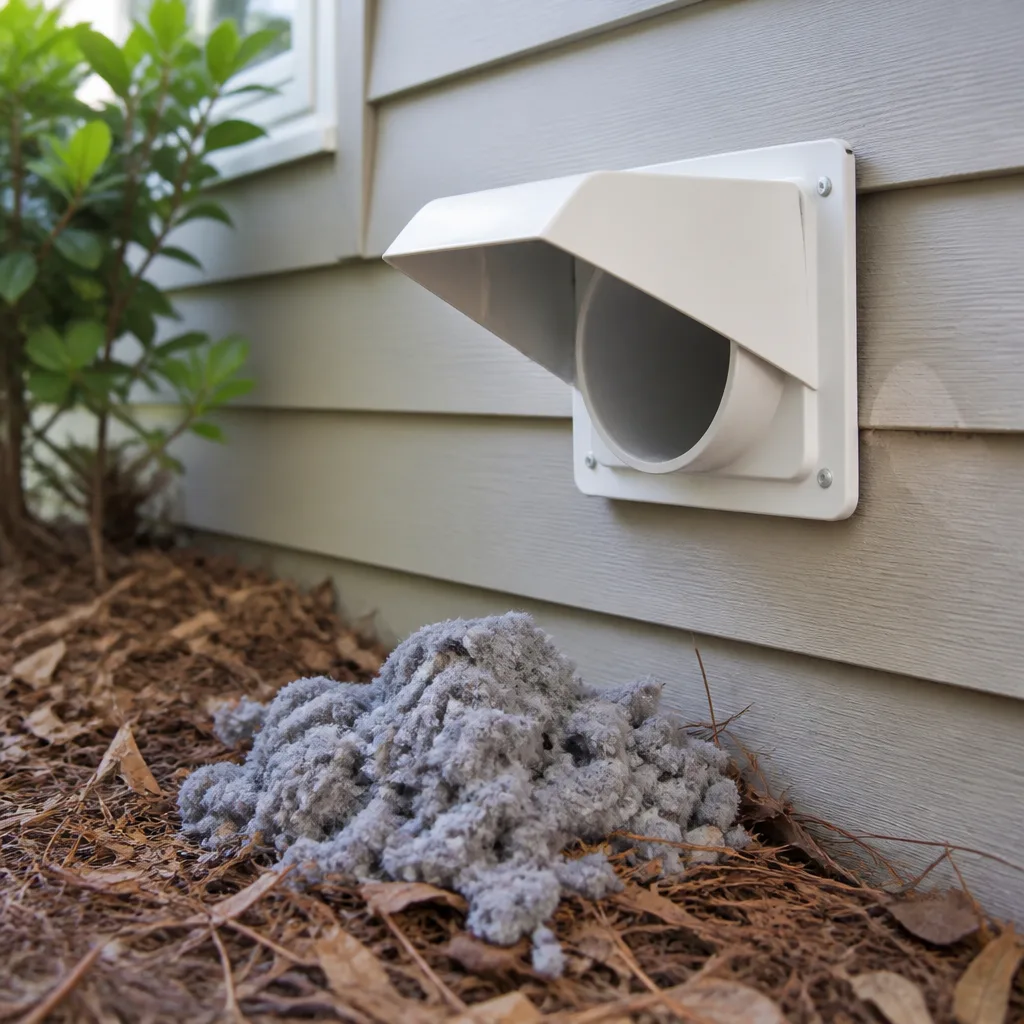 Dryer vent cleaning
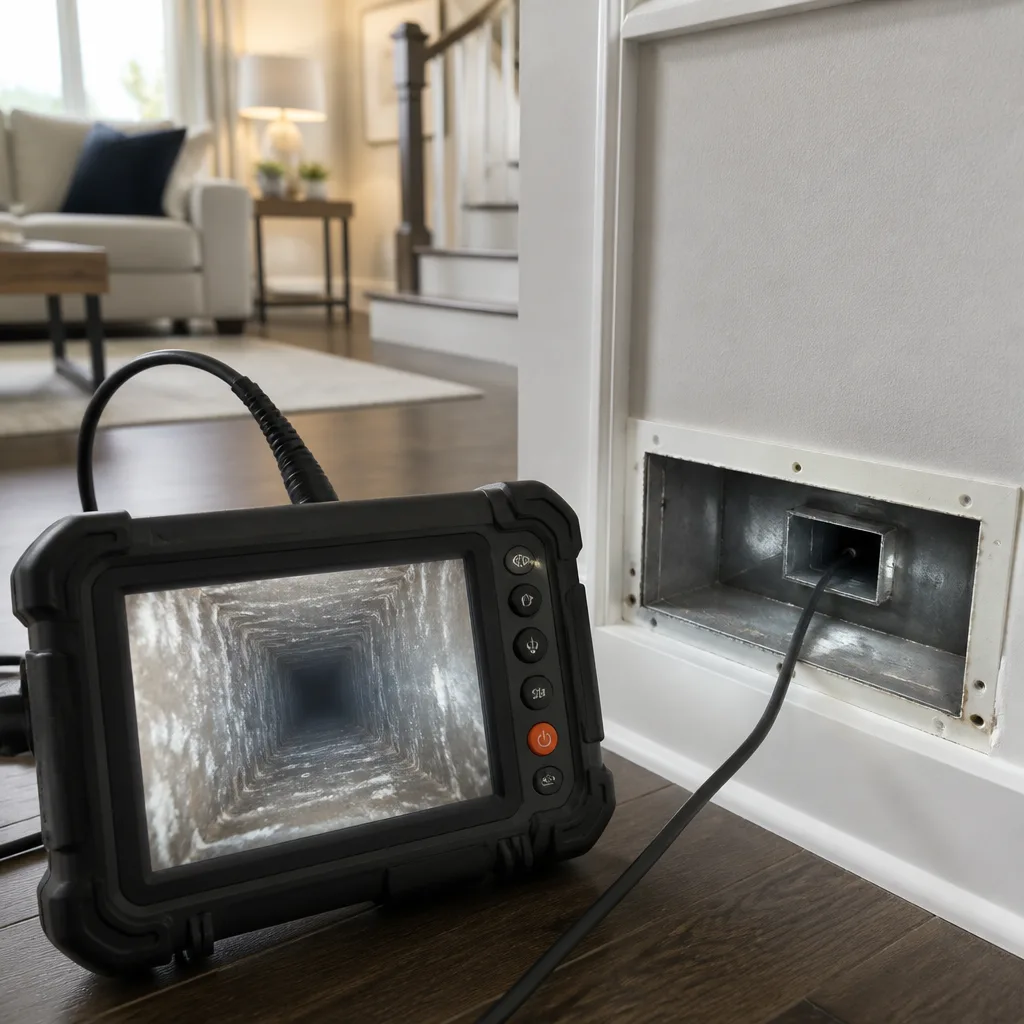 Camera inspection
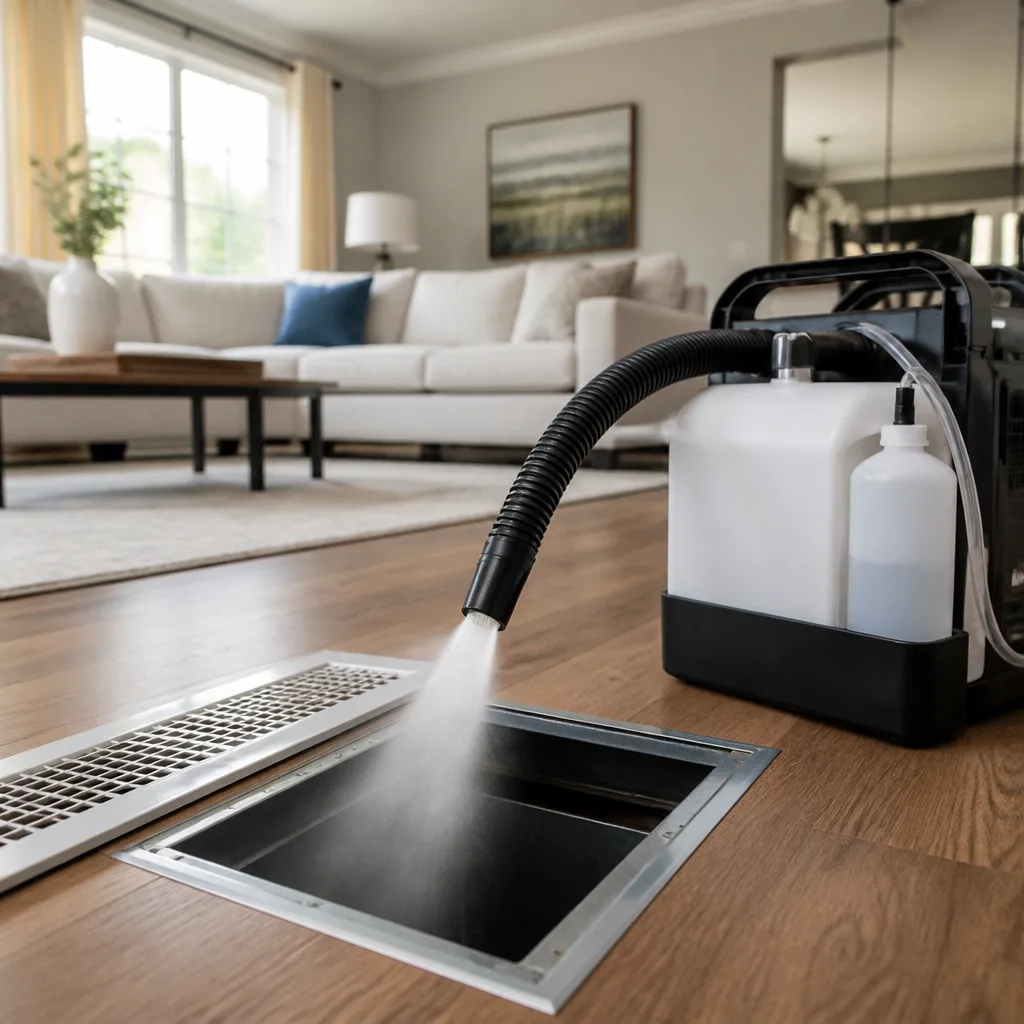 Sanitizing & deodorizing
Whole-system duct and dryer vent check with before-and-after photos - you see exactly what came out of your vents
That "$99 whole-house special" is a bait ad - the real number appears once they are in your hallway, or the "clean" is a shop-vac at the register. We photograph the inside of your ducts before and after instead.
Seasonal Air Duct Cleaning Care for Castro Valley: Year-Round Homeowner’s Guide
Most national duct-cleaning calendars are built around Midwest winters and Southern humidity, and they fall apart the moment you apply them to a town wedged between the East Bay hills and the Hayward fault. Castro Valley sits in a thermal transition zone: summer afternoons here can run 15 to 20 degrees hotter than morning lows, and that daily expansion-contraction cycle works duct joints and seams in ways flat-climate markets simply do not experience at the same rate. This guide builds a month-by-month duct care framework around what actually happens in Castro Valley, from marine-layer mornings to wildfire smoke season, so you know exactly when to inspect, when to clean, and when to call a professional.
Quick Answer
Seasonal air duct care in Castro Valley means scheduling a full cleaning in late spring (April to May) after winter heating condensation has settled, then reassessing in early fall (September to October) if wildfire smoke infiltrated the system. Between cleanings, replace or upgrade filters every 60 to 90 days depending on smoke events and pet load, and have dryer vents checked annually before winter. A professional company with HEPA-rated extraction equipment can tell you whether the daily thermal cycling of summer has opened enough duct seams to warrant repair, not just cleaning.
Styles & brands we work with
- Whole-home duct cleaning
- Dryer vent cleaning
- Camera inspection
- Sanitizing & deodorizing
Table of Contents
- Why Castro Valley’s Climate Is Harder on Ducts Than the Map Suggests
- Spring Care (March to May): The Post-Winter Reset Before Cooling Season
- Summer Care (June to September): Wildfire Smoke and the Recirculate Question
- Fall Care (October to November): Pre-Heating Inspection and Dryer Vent Clearance
- Winter Care (December to February): Gas Furnace Byproducts and Older Housing Stock
- How to Schedule Cleaning to Maximize the Interval Between Services
- Common Mistakes to Avoid
- When to Call a Professional
- Frequently Asked Questions
Why Castro Valley’s Climate Is Harder on Ducts Than the Map Suggests
Castro Valley sits in a specific spot on the East Bay’s climate gradient. The marine layer that cools Oakland and San Leandro often burns off before it reaches the eastern side of the hills, while the inland heat that bakes Dublin and Pleasanton gets moderated slightly by what moisture does arrive. The result is a daily temperature swing that most homeowners never think about until ductwork starts popping or filters clog faster than expected.
Duct systems expand and contract with temperature. Sheet metal, flexible duct connectors, foil tape, and mastic all respond to heat and cold at different rates. When a Castro Valley summer afternoon pushes 88 degrees and the overnight low drops to 62, that’s a 26-degree swing every 24 hours, repeated for months. Sheet metal moves. Tape loses adhesion. Mastic, if it was applied thin or over a dirty surface, develops hairline cracks. None of this is dramatic on any given day. Over three or four seasons, it adds up to leaks at joints and seams that a newer system in a flatter climate would not develop as quickly.
Add to this the fact that many homes in Castro Valley were built in the 1960s and 1970s, when duct installation standards allowed for more variance than they do today. Attic duct runs in those homes often sit under fiberglass insulation that has shifted or degraded over decades. When cooling season starts, the cold air moving through a warm attic duct creates condensation on the outside of the duct where insulation is thin. That moisture then sits against the duct jacket, and in Castro Valley’s mild winter months it may not dry completely before the next cycle begins. This is why seasonal care here is less about any single dramatic event and more about consistent, timed attention to a system under constant mild stress.
Spring Care (March to May): The Post-Winter Reset Before Cooling Season
Spring is the most important season for duct maintenance in Castro Valley, and it is the one most homeowners skip. The reasoning is understandable: the weather is mild, the HVAC system is neither heating nor cooling heavily, and nothing appears wrong. But spring is precisely when the evidence of winter’s work is visible, before summer cooling demands hide it again.
What Winter Leaves Behind
During heating season, your furnace pulls air from the return registers, heats it, and pushes it through the supply ducts. The cycle creates condensation inside the ductwork, particularly where warm duct runs pass through cooler attic spaces or crawl spaces. Over a Castro Valley winter, with its intermittent rain and cool nights, that condensation can sit long enough to dampen accumulated dust. Damp dust is the starting condition for microbial growth, and once the furnace shuts off for the season, the warmth of a spring attic accelerates whatever has begun.
Spring inspection should focus on:
- Supply registers in rooms farthest from the furnace – these runs see the most temperature differential and the most condensation.
- Attic duct sections visible from the access hatch – look for sagging insulation jackets or dark staining that indicates moisture penetration.
- Return air pathways – construction dust, pet hair, and general household debris accumulate here during closed-window season.
- The duct plenum connection – where the main trunk attaches to the furnace or air handler, because thermal cycling works this joint hardest.
Spring cleaning before cooling season matters because once you start running the air conditioner, the system’s evaporator coil adds its own condensation to the equation. Cleaning in May means starting summer with dry, clear ductwork rather than adding cooling-season moisture to an already-damp system.
Spring To-Do List
- Replace the furnace filter if it was installed before January regardless of how it looks. Winter dust load in Castro Valley homes is heavier than homeowners expect.
- Walk each register and check airflow by feel with the fan running. Weak flow at the farthest register is the first sign of a developing duct leak.
- Inspect the dryer vent termination outside. Spring birds sometimes nest in vent caps before summer heat arrives.
- Schedule a full-system evaluation if you have not had one in the past two years, or if anyone in the home noticed increased allergy symptoms over the winter.
If you are scheduling one professional cleaning per year, late April or early May is the right window for Castro Valley. It clears the winter’s accumulation before the cooling load starts, and it gives you the longest possible interval of clean operation before the next major seasonal stress arrives.
Summer Care (June to September): Wildfire Smoke and the Recirculate Question
Castro Valley’s summer brings two predictable outdoor issues: daily temperature swings that keep ducts flexing, and wildfire smoke that can push particulate levels high enough to make indoor air quality worse than outdoor in homes without proper filtration. Understanding how to run your HVAC system during smoke events is the single most valuable piece of summer knowledge for a Castro Valley homeowner.
The Recirculate Setting: What It Actually Does
Most residential HVAC systems in Castro Valley are set to draw a percentage of fresh outdoor air into the home for ventilation. During a wildfire smoke event, this is the opposite of what you want. Switching the system to recirculate mode means the dampers close off the outdoor air intake and the system only cycles indoor air through the filter. This reduces the rate at which smoke particulate enters the home through the HVAC pathway.
However, recirculate mode only helps if the filter is doing its job. A standard fiberglass filter catches larger dust but lets fine smoke particles pass through. During smoke season, a MERV 11 or MERV 13 filter is the minimum most air-quality professionals recommend, provided your system can handle the additional airflow resistance. Some older Castro Valley systems, particularly in 1960s and 1970s homes with original air handlers, cannot maintain adequate airflow against high-MERV filters. In those cases, a standalone air purifier or a system upgrade is needed, and a technician can tell you which route is realistic for your equipment.
When Smoke Means You Should Clean Early
If a wildfire smoke event lasts more than three or four days while your HVAC system runs, particulate begins to settle inside the ductwork. This is especially true if you were running a lower-MERV filter when the smoke event began, because more particles pass through to the evaporator coil and duct surfaces. The settled material remains in the system after the sky clears, and it re-enters living spaces every time the fan cycles.
Signs that smoke has accumulated in the ductwork include:
- A smoky odor when the system first starts even after the outdoor air has cleared.
- Visible gray or dark dust on supply register covers within weeks of a smoke event.
- Increased allergy or respiratory symptoms among household members when the HVAC runs.
- Reduced airflow at registers where flow was previously adequate.
In our experience, a home that runs its HVAC during a significant Castro Valley smoke event and then shows these signs typically benefits from an accelerated cleaning schedule. The alternative is carrying that particulate into heating season, where winter condensation turns it into a damp, sticky residue that is harder to remove and more likely to support growth.
Summer Maintenance Checklist
- Check the filter every 30 days during active smoke season, not the usual 60 to 90.
- Switch to at least MERV 11 before smoke season starts, not after the first event.
- Run the fan in “on” mode rather than “auto” during smoke events if the system has this setting, to keep air moving through the filter continuously.
- Visually inspect the outdoor condenser unit monthly during summer. Vegetation, cottonwood fluff, and general debris accumulate around the coil and reduce system efficiency.
The summer goal in Castro Valley is to manage what enters the system, because whatever enters during smoke season is in the ducts until the next full cleaning removes it.
Fall Care (October to November): Pre-Heating Inspection and Dryer Vent Clearance
Fall is the second critical inspection window in Castro Valley, and it serves a different purpose than the spring visit. Where spring is about clearing winter residue before cooling season, fall is about preparing for the high-use heating months with a focus on combustion safety and airflow efficiency.
The Heat Exchanger Proximity Question
In a furnace-heated home, the heat exchanger sits directly upstream of the supply plenum. Whatever happens at the heat exchanger affects everything downstream in the duct system. A cracked heat exchanger is a carbon monoxide risk, but even a properly functioning exchanger sends a steady flow of hot, dry air into the plenum and supply ducts. If the plenum connection has loosened over summer’s thermal cycles, heated air escapes into the attic or crawl space rather than reaching the living area.
Fall inspection should examine:
- The plenum-to-duct connection for gaps, separated tape, or visible rust that indicates condensation or corrosion.
- Supply boots at the floor or wall registers, because these see the greatest movement as the home’s framing shifts seasonally.
- Any flexible duct runs for kinks or sags that restrict heated air delivery.
- The return path from the living space back to the furnace, because a restricted return starves the blower and forces it to work harder.
A Castro Valley homeowner who runs the furnace from late October through February will not notice a small duct leak at first. What they will notice is a higher gas bill, uneven heat between rooms, and a furnace that runs longer cycles than it did the previous winter. These are not furnace problems as often as they are duct delivery problems.
Dryer Vent Clearance Before High-Use Months
Dryer vent cleaning is not an add-on to duct cleaning. It is a separate safety task that matters most right before winter, when dryer use increases and the vent path is about to carry warm, moisture-laden air through a cold exterior chase. Lint accumulation inside the vent is a structure-fire risk, and a clogged vent forces the dryer to run longer cycles, which drives up energy costs and wears out the heating element faster.
Fall is the right time for a dryer vent check in Castro Valley because:
- Cold winter mornings create more condensation inside the vent pipe, and that moisture makes lint stick to the walls rather than blow through.
- Closed windows in winter mean dryer exhaust issues affect indoor air quality more directly.
- A vent professionally cleared in October or November remains clean through the highest-use months of December through February.
If you are already scheduling a fall duct inspection, ask about dryer vent service at the same time. A company that handles dryer vent cleaning as a dedicated service will inspect the full vent path, including the exterior termination, not just the short section visible behind the appliance.
Winter Care (December to February): Gas Furnace Byproducts and Older Housing Stock
Winter in Castro Valley is mild by national standards, but it is exactly when the furnace runs consistently enough to expose problems that the rest of the year hides. For homes with gas furnaces, particularly in the 1960s and 1970s housing stock that makes up a large share of Castro Valley neighborhoods, winter duct care is about monitoring what the combustion process puts into the air distribution system.
Combustion Byproducts and the Duct Connection
A properly functioning gas furnace vents combustion gases to the outside through a flue. But normal operation still produces fine particulate inside the furnace cabinet, and that particulate can enter the supply airstream if the blower compartment seal is compromised. Older furnaces with original door gaskets or cabinet seals often develop small gaps over decades of thermal cycling. When the blower pulls air through the return and pushes it across the heat exchanger, those gaps allow cabinet dust and combustion residue to mix with the conditioned air.
This is not necessarily a safety emergency, but it is a real contributor to the gray film that appears on supply registers and nearby walls in older homes after a heating season. The proper response is professional evaluation. A technician who understands the relationship between the furnace cabinet, the heat exchanger, and the supply plenum can identify whether the issue is a seal problem, a filter problem, or simply accumulated duct dust from years of deferred cleaning.
Moisture Monitoring in the Heating Cycle
Winter is not a dry season in Castro Valley the way it is in the Central Valley or the desert. Winter rain raises outdoor humidity, and that moisture enters homes through ventilation, occupants, cooking, and showering. When the furnace heats indoor air, the relative humidity drops inside the living space. But the moisture does not disappear; it moves with the air into cooler parts of the home and can condense on duct surfaces in unheated areas.
Signs of winter moisture trouble include:
- A musty odor when the furnace first starts after sitting idle overnight.
- Water staining or rust on supply registers in rooms farthest from the furnace.
- Condensation on the outside of visible ductwork in the garage or crawl space during heating cycles.
- Window condensation that persists after the furnace has been running for 30 minutes or more.
None of these individually proves a duct problem, but they are the signs a homeowner should act on. A professional air duct cleaning can resolve moisture-related dust accumulation, but only if the source of the moisture is addressed. If condensation is recurring, the underlying cause is likely an insulation deficiency or an air-sealing issue at the duct level, not something a cleaning alone fixes. This is where a full-system evaluation matters.
Winter Monitoring Checklist
- Check the furnace filter monthly during December, January, and February, because winter heating runs the blower more continuously than summer cooling in Castro Valley.
- Note any new mustiness at startup, particularly if it fades as the system runs.
- Inspect the gas meter area and furnace room for unusual dust accumulation that suggests cabinet leakage.
- Run the bathroom and kitchen exhaust fans whenever showering or cooking to keep excess moisture out of the return air stream.
For older Castro Valley homes, winter is also the season when a heating cycle disguises a lot. The furnace masks duct leaks because the heat still reaches the rooms. The smell of heated dust is familiar, so people stop noticing it. Only a professional inspection with the right tools reveals what the warm air is hiding.
How to Schedule Cleaning to Maximize the Interval Between Services
The most common question we hear from Castro Valley homeowners is how often duct cleaning is actually needed. The answer is not universal. A home with short duct runs, a recent filter upgrade, no pets, and no smoke exposure may go three years or more between cleanings. A home with original 1965 ductwork, two dogs, a smoker, and a system that ran through the 2020 wildfire smoke season may need cleaning every 12 to 18 months.
The scheduling framework that works for most Castro Valley homes is built around two anchor points:
The Two Anchor Points
- Late spring (April to May): This is the primary annual cleaning window for most homes. It removes winter accumulation before cooling season, addresses any condensation-related growth that formed during winter, and ensures the system enters summer clean. If you do one professional cleaning per year, this is the time to do it.
- Early fall (September to October): This is the reassessment window. If summer brought significant wildfire smoke, or if the home underwent renovation, or if anyone noticed strange airflow or odors, a fall cleaning positions the system for winter. Homes that skipped spring and are entering heating season with unknown duct condition should prioritize this window.
Factors That Shorten the Interval
- Wildfire smoke exposure of more than a few days while the HVAC ran.
- Indoor pets that shed heavily, particularly long-haired breeds.
- Renovation or construction in or near the home that introduced drywall dust or sawdust to the return air.
- Old ductwork with unsealed seams that pulls attic or crawl space air into the system.
- Occupants with allergies or respiratory conditions who notice symptoms when the HVAC cycles.
Factors That Extend the Interval
- Consistent high-quality filtration with filters rated at least MERV 11, replaced on schedule.
- Sealed, intact ductwork that does not pull unfiltered air into the airstream.
- No pets, no smoking, no recent renovation in the home.
- Mild wildfire seasons with no multi-day smoke events in the area.
The goal of seasonal scheduling is not to clean as often as possible. It is to clean strategically so that the interval between cleanings is as long as your specific home and circumstances allow, without sacrificing indoor air quality. A professional who evaluates your system each time can tell you whether the interval should shorten or lengthen based on what the last visit revealed.
Common Mistakes to Avoid
Here are the specific mistakes we see Castro Valley homeowners make when managing their ductwork seasonally, and the reasons they matter.
- Cleaning only when there is a visible problem. Visible dust at the registers means the system has been accumulating for a long time. Scheduling by symptom means the system is already compromised when work begins, and the cleaning has to work harder to restore baseline rather than maintaining it.
- Replacing a filter without checking the duct condition. A fresh filter cannot compensate for leaking ducts, unsealed plenums, or a return path pulling air from the attic. The filter treats the air that passes through it, not the air that bypasses it entirely.
- Ignoring the dryer vent because the dryer still works. A dryer vent that is 30 percent clogged still dries clothes, but it runs longer and hotter while doing so. By the time the dryer stops working or the thermal fuse trips, the lint accumulation is severe. A dryer vent is a fire-risk checklist item, not an upsell, and it deserves its own seasonal attention.
- Running a high-MERV filter rated for more resistance than the system can handle. This is common in older Castro Valley homes. A MERV 13 filter in a 1968 air handler designed for fiberglass filter airflow can choke the system, reduce delivery to far registers, and strain the blower motor. Filter upgrades need to match equipment capability.
- Assuming a spring cleaning carries through the entire year. A clean system in May can still accumulate wildfire particulate by September. The two-anchor schedule exists because Castro Valley summers impose their own load on the ductwork.
- Treating duct cleaning as a standalone service. Cleaning removes what is in the ducts, but if the ducts have holes, separated joints, or degraded insulation, the system re-contaminates within months. Clean ducts are the start; sealed, intact ducts are the finish. A company that also offers duct repair gives you a single point of responsibility for the whole system.
- Skipping the post-cleaning visual confirmation. Before-and-after photos of your own ducts are the single most reliable way to verify that work was actually completed. Any credible duct cleaning company should offer them, and you should ask if they are not offered first.
When to Call a Professional
There are DIY-able seasonal tasks, and there are tasks that require equipment and training to do correctly. Filter changes, register cleaning, and visual inspection of accessible duct runs are homeowner tasks. Anything that involves the interior of the ductwork, the plenum connection, the heat exchanger area, or the full dryer vent path belongs with a professional.
Specific situations that warrant a call include: persistent musty odor at furnace startup after a filter change; visible mold growth on or inside registers; a sudden and unexplained increase in dust settling throughout the home; rooms that no longer heat or cool evenly; a dryer that takes longer than 45 minutes to dry a normal load; and any home entering its first heating or cooling season after renovation or purchase of an older property where the duct history is unknown.
Duct Cleaning Castro Valley offers free estimates for homes throughout Castro Valley. Call (855) 382-9257 to schedule an evaluation. We answer 24/7. Fast dispatch from 7am to 7pm, Sunday through Friday.
Frequently Asked Questions
Most Castro Valley homes benefit from professional duct cleaning every 2 to 3 years, but homes with pets, older ductwork, or significant wildfire smoke exposure may need annual service. The right interval depends on what a professional inspection reveals about your specific system. Call (855) 382-9257 for an assessment and a recommendation based on your home’s actual condition.
Late spring, from April to May, is the best window for most Castro Valley homes because it clears winter condensation residue before cooling season starts. Early fall, from September to October, is the right secondary window if summer smoke events or renovation introduced new particulate. Both windows position the clean system for the season ahead.
Yes. When the HVAC system runs during a smoke event, fine particulate passes through the filter, particularly if the filter is rated below MERV 11, and settles on duct surfaces where it remains until professionally removed. Running the system on recirculate with a high-MERV filter during the event reduces the amount that enters, but it does not eliminate the need for eventual cleaning if the event was prolonged.
Lower quotes in the duct cleaning market often come from companies using basic shop-vac and brush equipment that lacks the negative-pressure containment needed to prevent loosened particulate from re-entering the living space. Professional-grade equipment like Rotobrush rotary agitation systems and Nikro HEPA-rated extraction units costs more to operate, and the price difference reflects what is actually removed from the system. A written estimate should state the equipment and scope, and the final price should be agreed before work begins.
Ask for before-and-after photos of your own ductwork. A professional company should provide visual proof from inside the ducts, showing the surfaces before and after the cleaning process. You should also notice reduced dust settling on registers and surfaces within weeks of the service, and improved airflow at registers that were weak before.
Sometimes, but not always. If uneven temperatures are caused by accumulated debris restricting airflow through the duct runs, cleaning restores balance. If the cause is leaking ducts, disconnected runs, or an improperly sized system, cleaning alone will not fix the problem. This is why Duct Cleaning Castro Valley also performs Duct Cleaning Castro Valley repairs during the same visit when inspection reveals structural issues.
The Bottom Line
Seasonal duct care in Castro Valley is not a single annual chore but a rhythm that follows the town’s specific climate. Spring clears the residue of winter condensation before cooling season. Summer demands attention to wildfire smoke and furnace filter upgrades. Fall prepares the system for heating load and addresses dryer vent clearance before high-use months. Winter is for monitoring moisture and combustion byproducts in older homes. A homeowner who follows this rhythm, and who works with a company that uses real extraction equipment and offers repair alongside cleaning, keeps the interval between professional services as long as possible without letting the system degrade. The goal is not constant cleaning. The goal is understanding what each season does to your ductwork and responding before it becomes a problem you can see or smell.
Written by the team at Duct Cleaning Castro Valley, serving Castro Valley since 2012.
See the difference
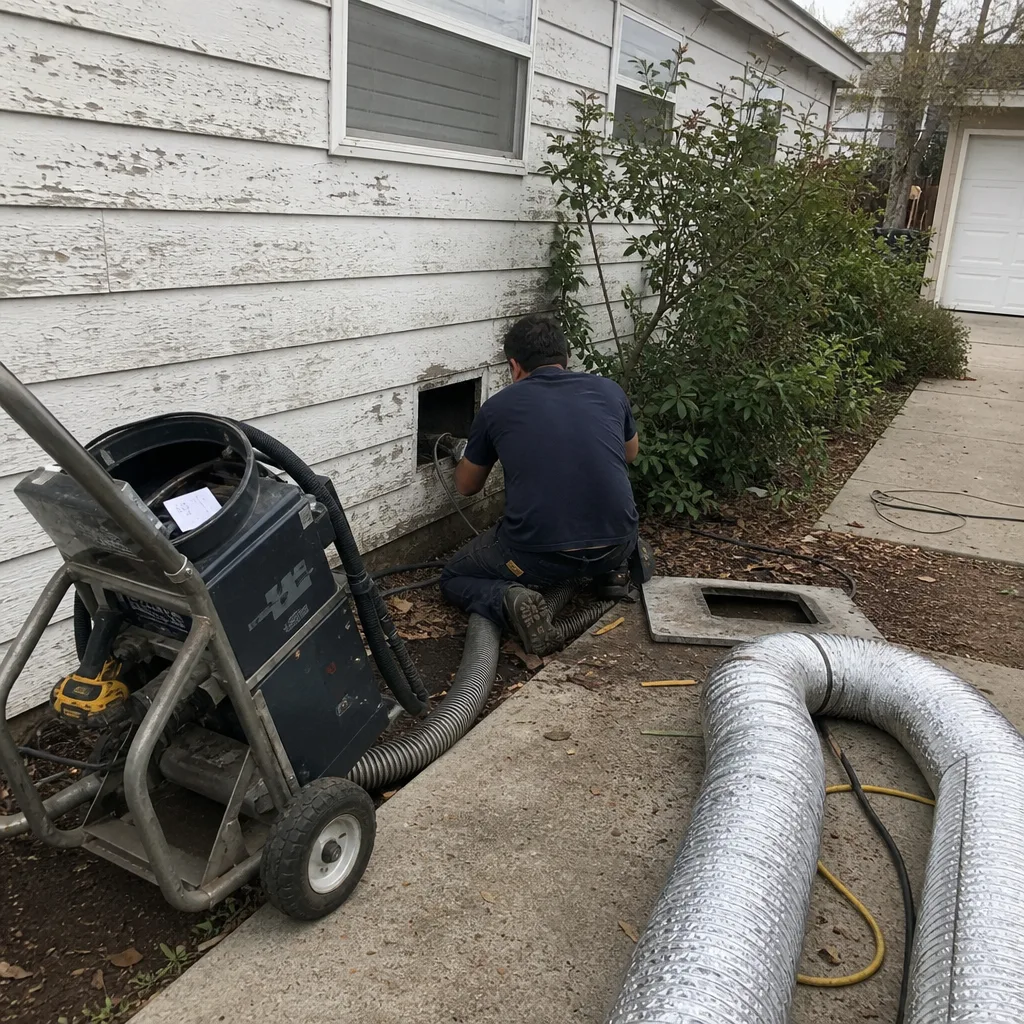 Before
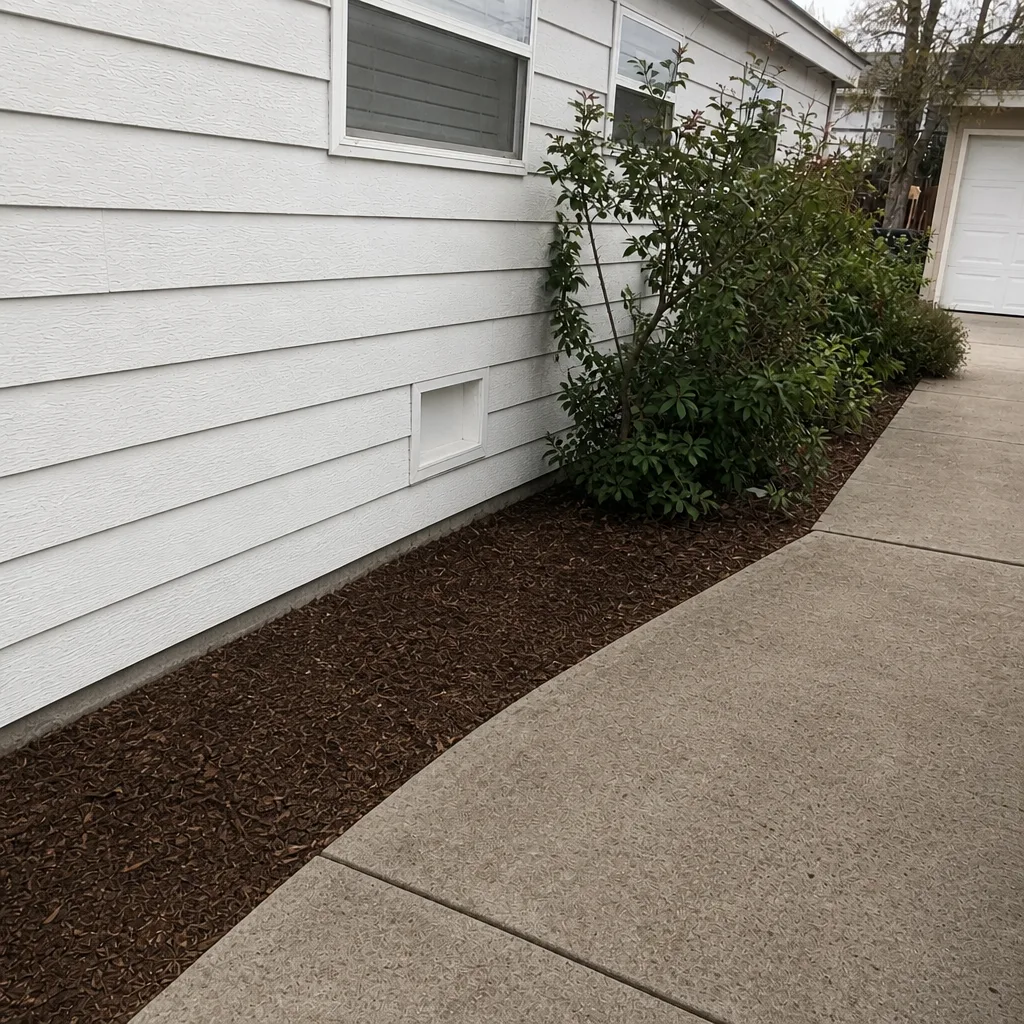 After
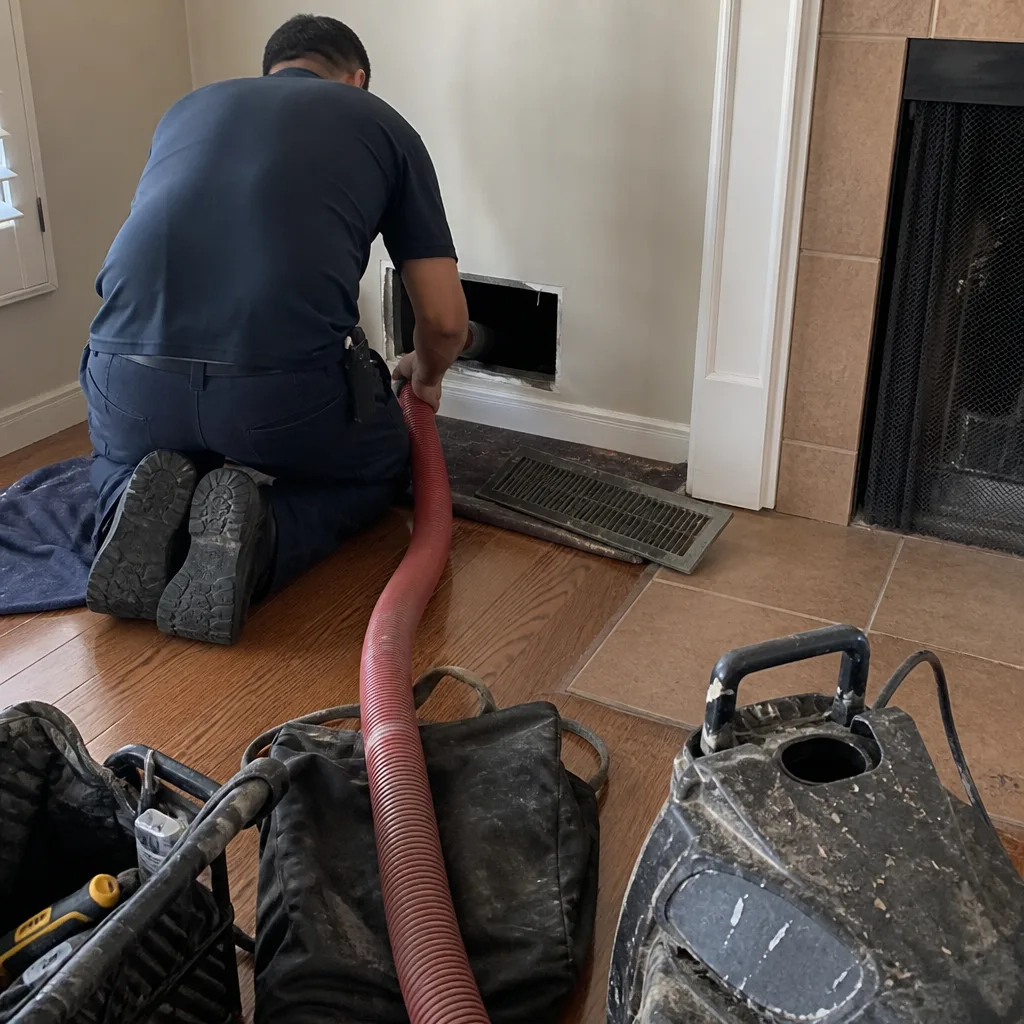 Before
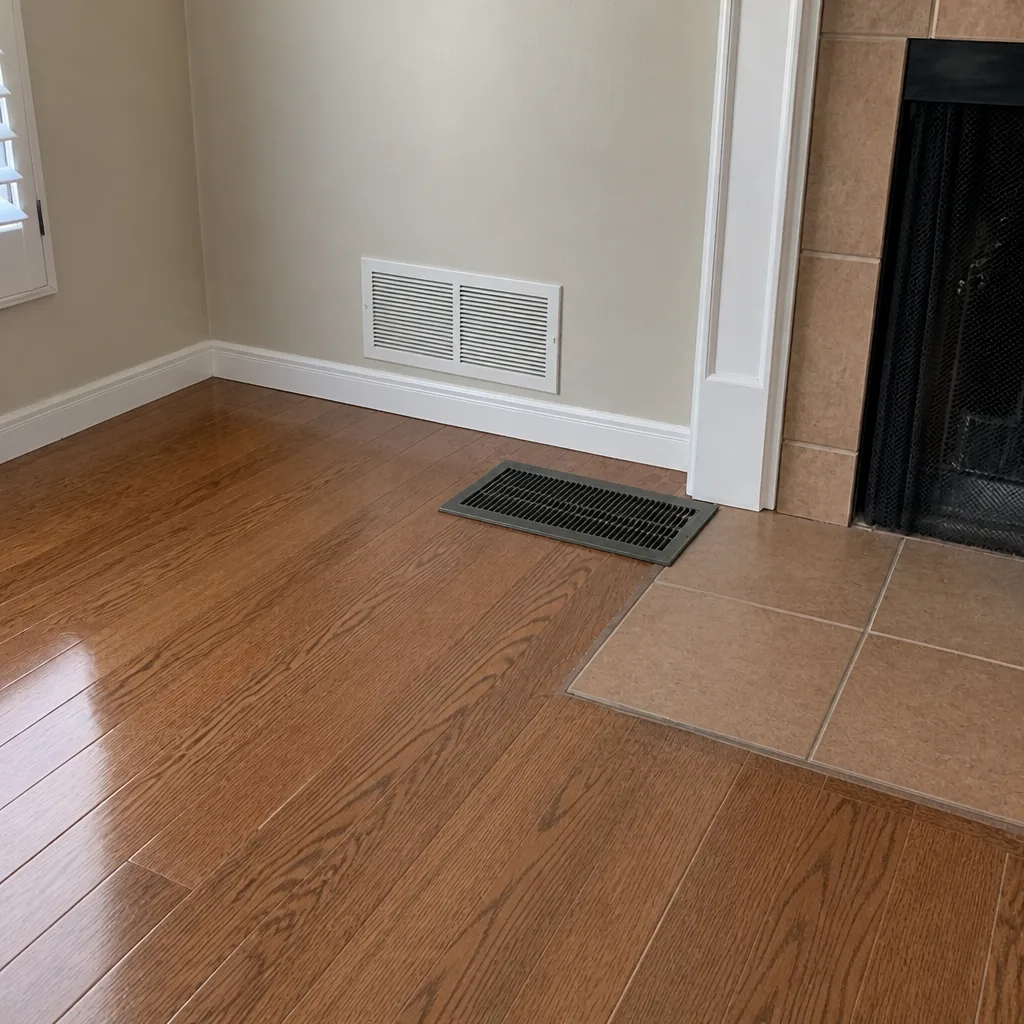 After
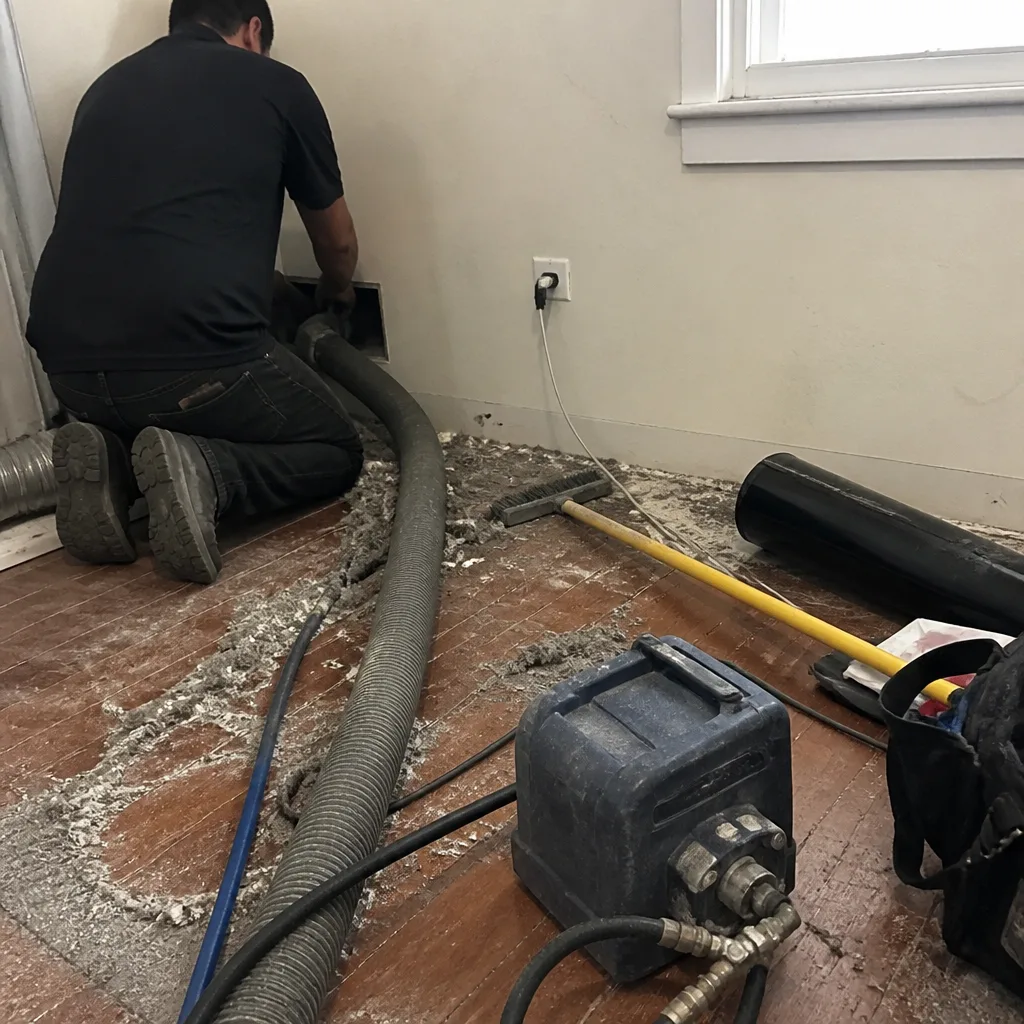 Before
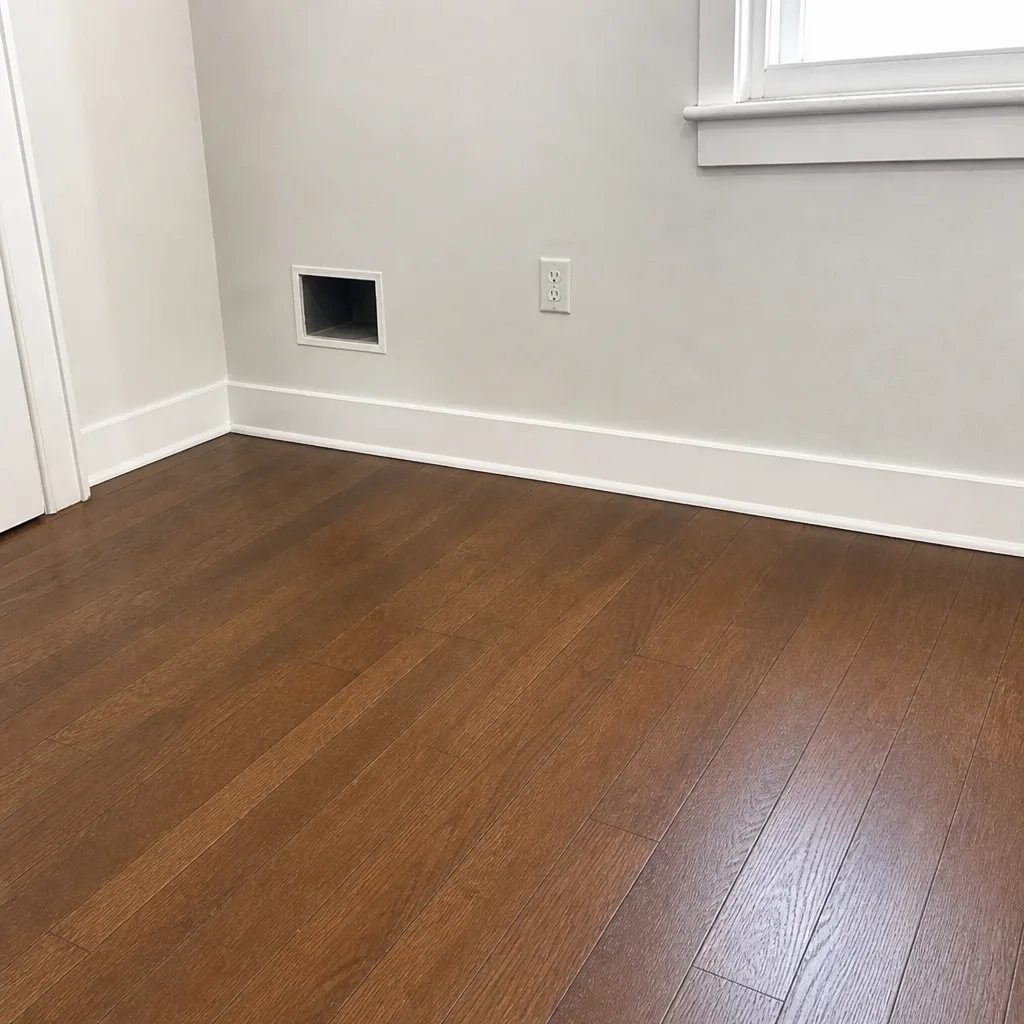 After