
Last updated November 4, 2026
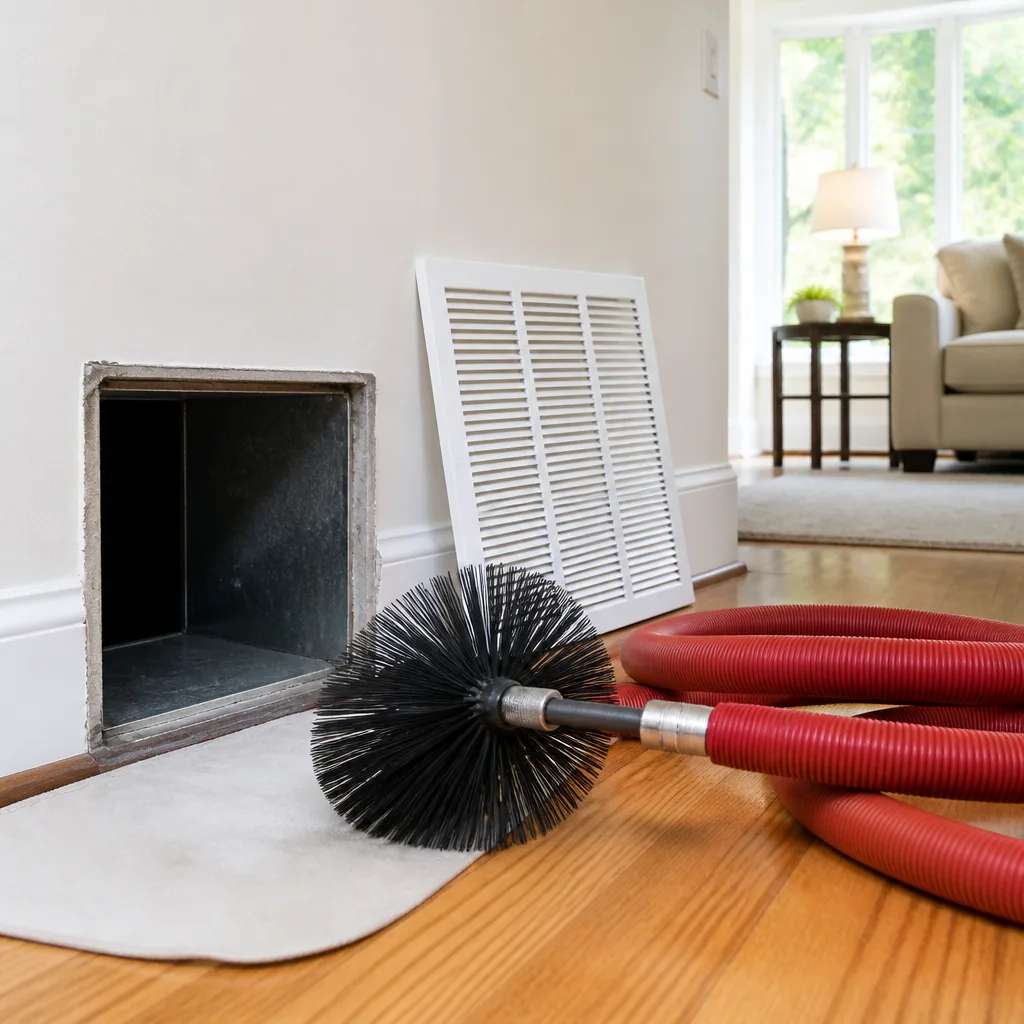 Whole-home duct cleaning
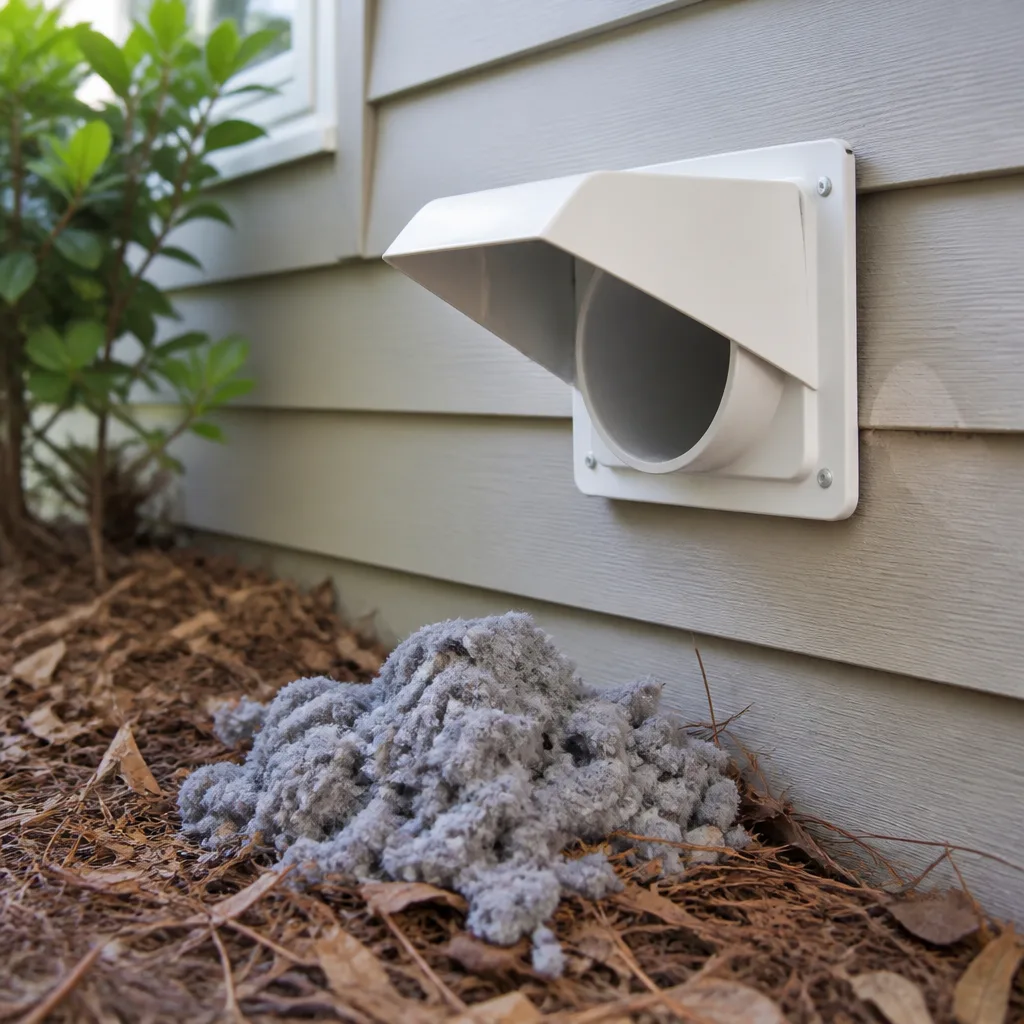 Dryer vent cleaning
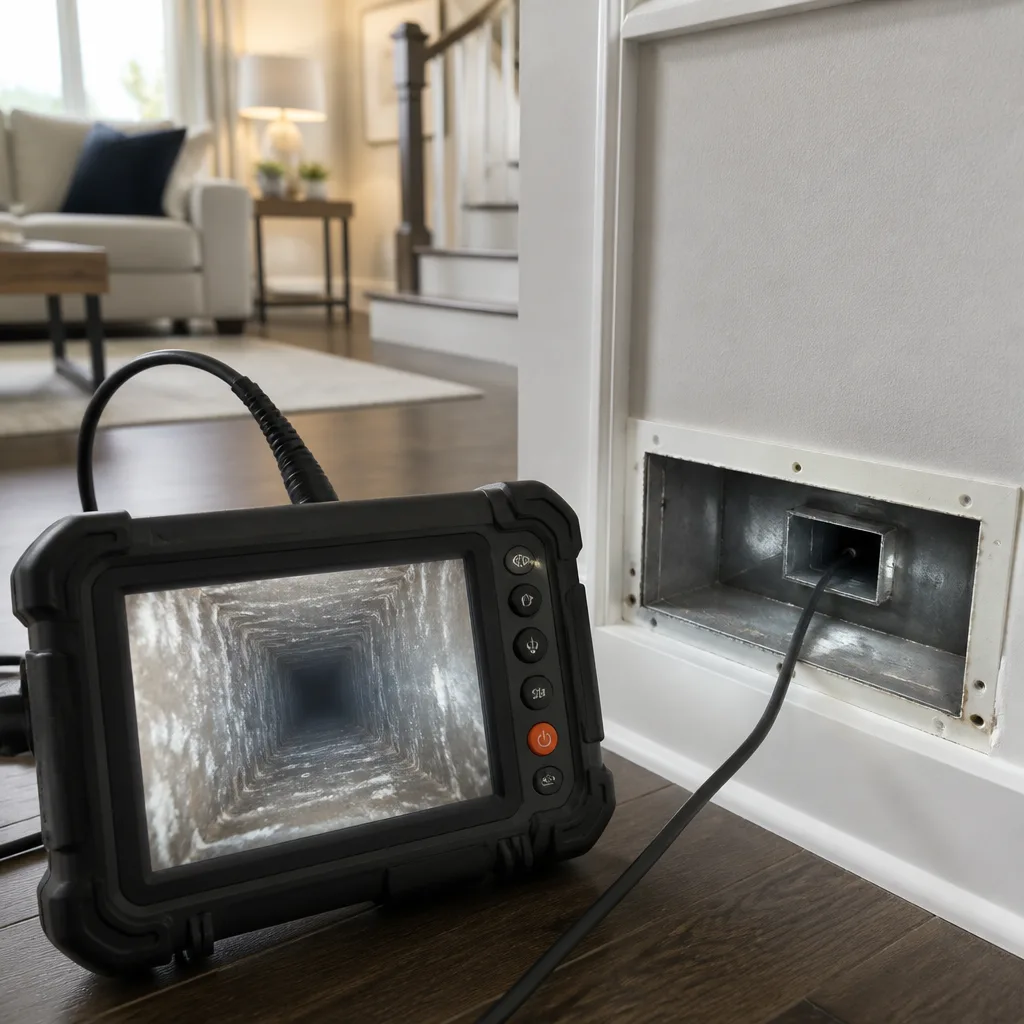 Camera inspection
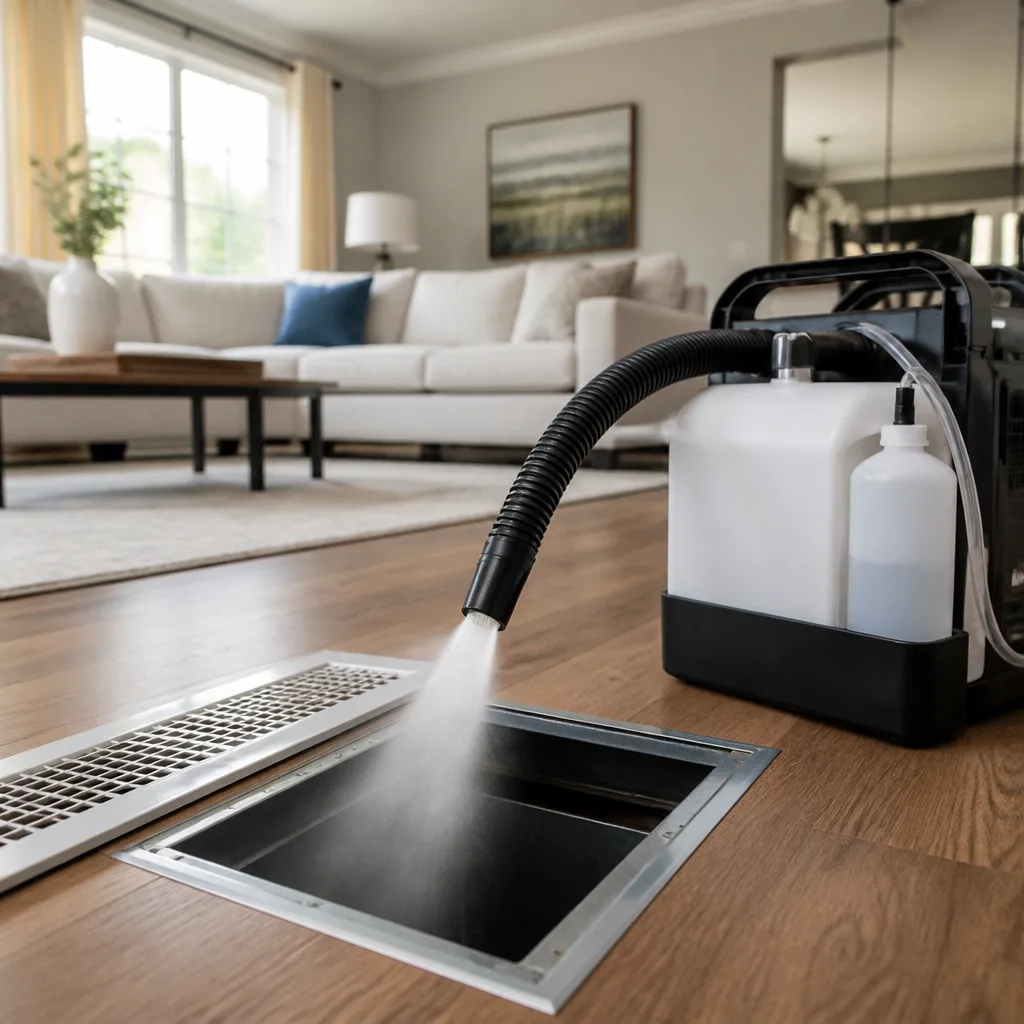 Sanitizing & deodorizing
Whole-system duct and dryer vent check with before-and-after photos - you see exactly what came out of your vents
That "$99 whole-house special" is a bait ad - the real number appears once they are in your hallway, or the "clean" is a shop-vac at the register. We photograph the inside of your ducts before and after instead.
Air Duct Cleaning Cost Breakdown: The Castro Valley Homeowner’s Reference for 2026
A quote of $150 and a quote of $800 for the same Castro Valley home aren’t two points on the same value scale. They’re describing two entirely different scopes of work, and only one of them is actually cleaning your ducts. The cheaper number usually means a technician with a shop vac and a brush spending forty-five minutes waving a hose at your registers. The higher number means mechanical agitation, HEPA extraction, and negative-pressure containment. This guide breaks down what drives legitimate cost differences, what inflated add-ons look like, and how to evaluate a quote without getting taken. By the end, you’ll know exactly what to ask before anyone steps foot in your Castro Valley house.
Quick Answer
Air duct cleaning in Castro Valley typically costs between $450 and $900 for a single-family home in 2026, with most three-to-four-bedroom houses landing in the $550 to $750 range for a complete system cleaning using professional-grade equipment. The price depends on square footage, vent count, duct material, and access difficulty. Legitimate add-ons like dryer vent cleaning add $100 to $200, while optional UV or antimicrobial treatments should never be sold as routine necessities.
Styles & brands we work with
- Whole-home duct cleaning
- Dryer vent cleaning
- Camera inspection
- Sanitizing & deodorizing
Table of Contents
- The Legitimate Cost Drivers: What Actually Changes Your Price
- Why Equipment Quality Shows Up in the Quote
- 2026 Castro Valley Price Ranges by Home Size
- What’s a Real Add-On vs. What’s an Upsell Pressure Tactic
- How to Compare Quotes Without Getting Confused
- Red Flags That Signal an Inflated Quote
- Common Mistakes to Avoid
- When to Call a Professional
The Legitimate Cost Drivers: What Actually Changes Your Price
Duct cleaning isn’t priced by pulling a number out of the air. A few concrete factors genuinely change the labor, time, and equipment demands of the job. Understanding these helps you see why two neighbors in Castro Valley might pay different amounts for what sounds like the same service.
Home Square Footage
The most obvious driver. A 1,200-square-foot rancher in the Baywood neighborhood has far less ductwork than a 3,400-square-foot two-story in Palomares Hills. More conditioned space means more lineal feet of supply and return ducting, and more duct means more time under the hose. Most companies in Castro Valley use square footage bands: under 1,500 square feet, 1,500 to 2,500, 2,500 to 3,500, and above. Each band moves the base price up.
Number of Supply and Return Vents
A typical Castro Valley home has one supply vent per 100 to 150 square feet, plus one or two central returns. A 1,200-square-foot house might have eight to ten vents total. A 3,000-square-foot house could have twenty or more. Every vent needs the agitation tool inserted, the extraction hose connected, and the register checked. Vent count is a better cost predictor than square footage alone. When you call a duct cleaner, have your vent count ready; it’s the fastest way to get an accurate ballpark.
Duct Material: Flex, Sheet Metal, or Duct Board
Homes built in Castro Valley in the 1970s and 1980s often have sheet metal ductwork, which cleans well and handles aggressive agitation. Newer construction, especially developments from the 1990s onward, typically uses flexible insulated duct, which requires lower-pressure agitation to avoid tearing the inner liner. Duct board, a fiberglass panel product, shows up in some mid-century homes and needs gentler treatment plus airless sealing afterward. Each material responds differently to Rotobrush agitation, and a technician who doesn’t know the difference is a liability, not a bargain.
Access Difficulty
Where your furnace and air handler sit matters. Many Castro Valley homes have attic-mounted systems with roof-access hatches, while older ranch-style houses put the equipment in a crawlspace. Access through a tight attic hatch with a HEPA vacuum and agitation equipment adds setup time. Dense landscaping around an exterior access point, finished garages with tight clearances, and second-floor mechanical closets all add labor. A good estimator asks about access before quoting, not after arriving.
Why Equipment Quality Shows Up in the Quote
Here’s the part most homeowners never hear: the equipment a company runs costs very different amounts to own and operate, and that difference lands in your price. A technician with a truck-mounted shop vac and a plastic brush has almost no per-job equipment cost. The tool set might be worth $2,000, and maintenance is an oil change. A company running Rotobrush rotary agitation, Nikro HEPA extraction, and Abatement Technologies negative-pressure containment is operating a system that costs tens of thousands of dollars to assemble, needs HEPA filter replacements, and requires far more training to run correctly.
The process difference is real. A shop vac pulls air at high volume but low filtration efficiency. Fine particulates that get sucked in can blow right back out the exhaust, recirculating the very dust you’re trying to remove. A Nikro HEPA-rated extraction unit captures 99.97% of particles at 0.3 microns, so what comes out of the duct goes into the filter, not back into your Castro Valley living room. Rotobrush agitation spins stiff nylon bristles against the duct walls, mechanically knocking loose the caked-on layer that a passive vacuum head never touches. Abatement Technologies negative-pressure units maintain the room at lower air pressure than the duct, so any escape at a connection point flows into the system, not out. You’re paying for a process that works, and that process has a real operating cost.
When a quote seems suspiciously low, ask one question: “What equipment do you run?” If the answer is vague, that’s your answer.
2026 Castro Valley Price Ranges by Home Size
The ranges below reflect what we see in the Castro Valley market for a complete air duct cleaning done with professional-grade agitation and HEPA extraction. These are whole-system prices, not per-vent figures. Every written estimate should confirm exactly what’s included at each tier.
| Home Size | Typical Vent Count | Expected Price Range | What Should Be Included |
|---|---|---|---|
| Up to 1,200 sq ft | 6-10 | $450-$600 | Full supply and return cleaning, register inspection, basic system check |
| 1,200-2,000 sq ft | 10-16 | $550-$750 | Everything above plus furnace fan area attention, before-and-after photos |
| 2,000-3,000 sq ft | 16-22 | $650-$850 | Everything above plus longer agitation time per duct, full access verification |
| 3,000+ sq ft | 22+ | $800-$1,000+ | Everything above plus possible two-technician crew, extended service window |
Castro Valley’s housing stock skews toward mid-century ranchers and hillside developments built between the 1960s and 1990s. That means most homes fall into the 1,200 to 2,500-square-foot range, putting the typical job between $550 and $800. Homes with original ductwork from the 1960s may need additional agitation time because decades of accumulated debris resist removal more than a five-year-old system.
Legitimate services on the menu include Duct Cleaning Castro Valley which covers the full system: supplies, returns, plenums, and the air handler cabinet area. This is not a register-level vacuuming. The heat exchanger surfaces get attention, the blower housing gets checked, and accessible duct interiors get documented with before-and-after photos so you can see the work happened.
What’s a Real Add-On vs. What’s an Upsell Pressure Tactic
Once the main cleaning price is on the table, you’ll often hear about “recommended” extras. Some are legitimate. Some are not. Here’s how to tell them apart.
Legitimate Add-Ons
- Dryer vent cleaning: $100-$200. This is a separate service on a separate system. Your dryer vent carries lint, and lint is a leading cause of residential structure fires. Most duct-only companies never touch it. A full-service provider does, and it’s a responsible maintenance item, not an upsell.
- Air duct repair: Variable, quoted after inspection. If a duct section is separated, collapsed, or torn, cleaning it is pointless until it’s fixed. We offer air duct cleaning and repair together because a sealed system is the only one worth cleaning. Clean ducts are the start; sealed, intact ducts are the finish.
- Furnace blower cleaning: Sometimes included, sometimes a small add-on. The fan that pushes air through your ducts gets coated in the same dust that lines them. Cleaning it as part of the job extends the life of the motor and improves airflow.
- Access door installation: $75-$150. Older Castro Valley homes sometimes lack service access to the evaporator coil or plenum. Cutting and installing a proper access panel is a one-time fix that makes future service possible.
Treat with Skepticism
- Antimicrobial fogging: Sometimes useful if there’s confirmed mold or bacterial growth, but not routine. If someone offers it as a standard part of duct cleaning “for your health,” ask for the lab results that prove you need it. Without evidence, it’s a chemical spray with an invoice attached.
- UV light installation: A legitimate technology for HVAC systems, but it’s a product purchase and separate project, not a natural extension of duct cleaning. If you’re interested, that’s a separate conversation with its own quote. We’re familiar with Honeywell, Aprilaire, and Guardsman lines, so we can talk about what fits your system, but it never belongs in the base cleaning price.
- Electronic air cleaner “tune-up”: Rarely necessary at the time of duct cleaning. If your system has one, it’s worth understanding how it functions, but don’t authorize repair work on it during a cleaning visit without a clear diagnosis.
How to Compare Quotes Without Getting Confused
The hardest part of shopping for duct cleaning in Castro Valley is that every quote gets structured differently. Some companies price per vent. Others price by square footage. Some bundle air handler cleaning into the base, others list it separately. Some quote a “whole system” price and then add per-vent charges on the day of service. Here’s the structured way to make quotes comparable.
Step 1: Get Whole-Job Pricing, Not Per-Vent Pricing
Per-vent pricing is a trap. A company might quote $29 per vent, which sounds reasonable, but then count your returns, your main trunk runs, your plenum connections, and suddenly a twelve-vent home becomes a thirty-point job. Whole-job pricing means the company commits to a total before work starts. Ask this exact question: “Is this the complete price for the entire duct system, supplies and returns, with nothing added on the day?”
Step 2: Require a Written Scope of Work
The written estimate should list exactly what gets cleaned: supply ducts, return ducts, plenums, air handler cabinet, blower motor access, and register count. If a line item is missing from the written scope, assume it’s not included. The final price gets set by that written estimate, not by verbal promises over the phone.
Step 3: Ask About Before-and-After Photos
Any legitimate duct cleaner can show you the inside of your ducts after the work. A camera or smartphone probe takes sixty seconds per main trunk section. If a company refuses or says it’s not standard, that’s a signal they don’t want you verifying the work. You’re spending real money in Castro Valley; documentation is not an unreasonable ask.
Step 4: Compare the Same Scope
Putting a shop-vac quote next to a HEPA-extraction quote is apples-to-oranges. Write down what each company says they’ll do. One might say “vacuum all registers from inside the home.” Another says “Rotobrush agitation of each supply run, Nikro HEPA extraction at the trunk, negative-pressure containment during service, and photos of every accessible section.” Those are different products. Price them accordingly.
Step 5: Check Warranties and Guarantees in Writing
Ask what happens if you’re not satisfied. What does the company commit to in the written agreement? A company that won’t put its satisfaction terms in writing is a company that doesn’t intend to honor them.
Red Flags That Signal an Inflated Quote
Over a decade and a half of working in this trade, we’ve seen every variation of the inflated quote. These are the patterns that should make you walk away, in Castro Valley or anywhere else.
- The “system test” that finds a problem: A technician arrives for a $79 cleaning and within minutes discovers your system needs $2,000 in “sanitizing” or “sealing.” The problem may be real, but get a second opinion before paying. A company that sells the fix on the same visit has a conflict of interest.
- Per-vent pricing that multiplies unexpectedly: Already covered above. Count your vents before you call.
- Unrequested fogging or coating treatments: If it wasn’t in the written quote and they’re spraying it anyway, you’re being charged for something you didn’t authorize.
- Pressure to sign immediately: A legitimate quote is good for a reasonable period. Anyone who says the price expires when they walk out the door is using pressure as a sales tool.
- No physical presence in Castro Valley: A company without local operations may still do good work, but you lose the ability to hold them accountable. Local businesses live on local reputation.
Common Mistakes to Avoid
- Choosing by price alone: The cheapest quote is often the most expensive one in the end. A shop-vac cleaning that stirs dust without extracting it leaves your ducts cleaner-looking and your air dirtier. In Castro Valley, where allergy season runs long through the valley’s grass and oak pollen months, that matters more than most people realize.
- Not asking about equipment: If a company won’t tell you what tools they use, they’re telling you they use tools they’d rather not name. Ask directly: rotary agitation or passive brushing? HEPA extraction or standard vacuum? Negative pressure or unsealed pickup?
- Skipping the written scope: Verbal promises don’t survive contact with the invoice. Everything gets written down or it didn’t happen.
- Assuming all houses need the same service: A forty-year-old sheet-metal system in a Castro Valley rancher needs a different approach than a five-year-old flex-duct system in a new build. A company that treats them the same is guessing.
- Forgetting the dryer vent: Most people think duct cleaning and dryer vent cleaning are the same thing. They’re not. Your dryer vent is a separate exhaust path, and it collects lint at a rate that makes it a routine maintenance item. If your duct cleaner doesn’t offer it, you’re calling someone else anyway.
- Waiting for visible dust before cleaning: By the time dust is blowing out of your registers, the buildup inside the ducts is substantial. Duct cleaning is preventive, not reactive.
- Ignoring duct damage: This is the one most Castro Valley homeowners miss. A duct system with separated joints, crushed flex runs, or torn insulation leaks conditioned air into attics and crawlspaces. Cleaning a damaged system without repairing it means paying to clean ducts that will just get dirty again through the gaps. That’s why repair belongs in the same conversation as cleaning.
When to Call a Professional
You should call a duct cleaning professional when you can see dust accumulating quickly after cleaning, when registers show visible gray or black buildup, when anyone in the home has unexplained allergy symptoms that ease away from the house, or when you’ve just finished a renovation that generated construction dust. Pet owners with multiple animals, parents with young children who spend time on the floor, and anyone in a home with original ductwork from the 1970s or earlier in Castro Valley are all strong candidates for a professional assessment. If you’re not sure whether your ducts need attention, start with an honest conversation rather than a sales pitch. Duct Cleaning Castro Valley offers free estimates in Castro Valley; call (855) 382-9257. We answer 24/7. Fast dispatch from 7am to 7pm, Sunday through Friday.
See the difference
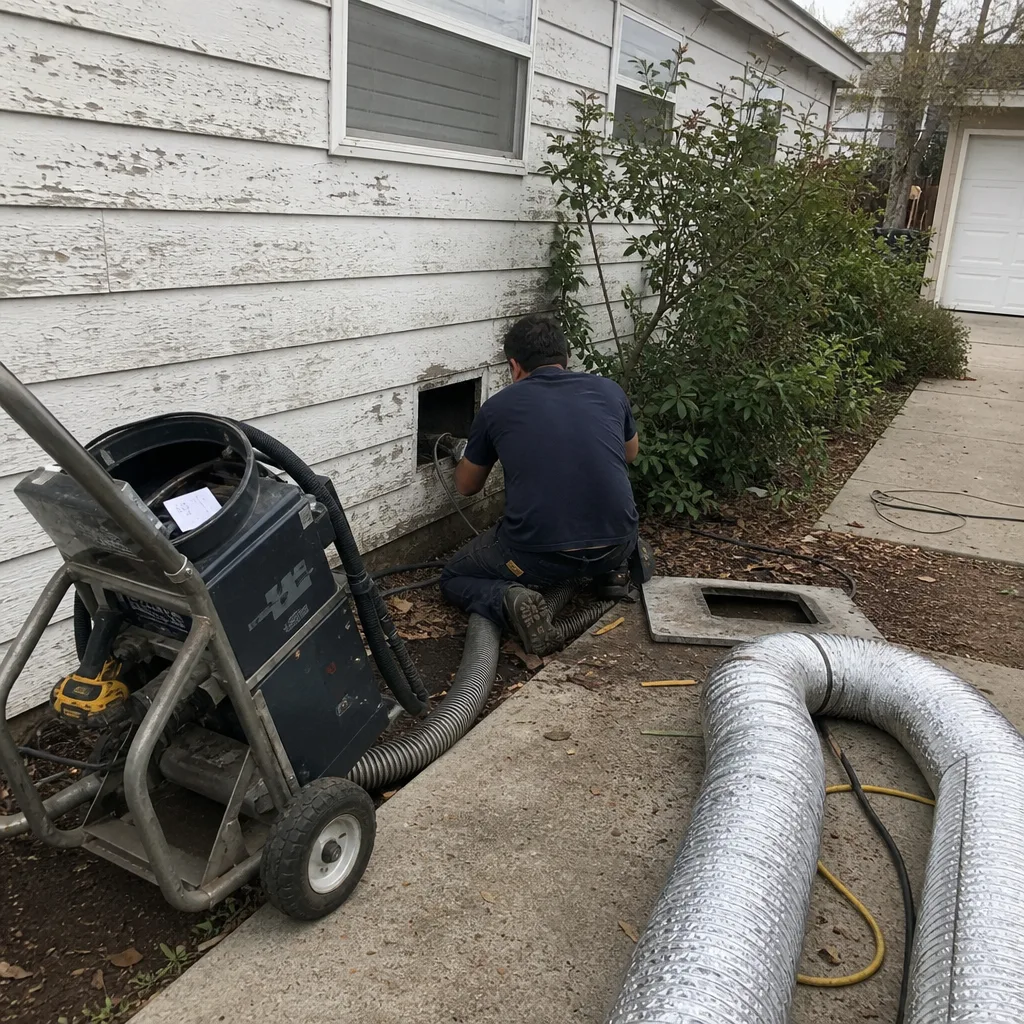 Before
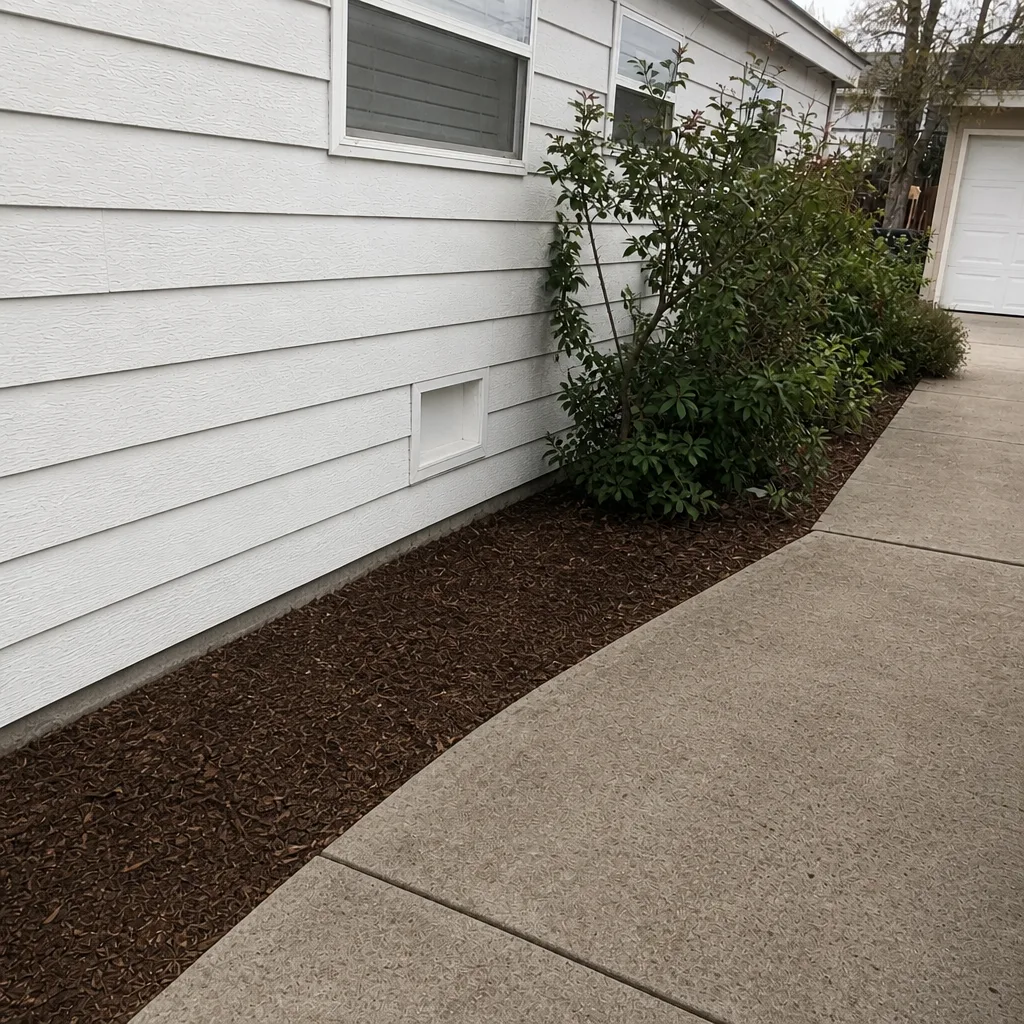 After
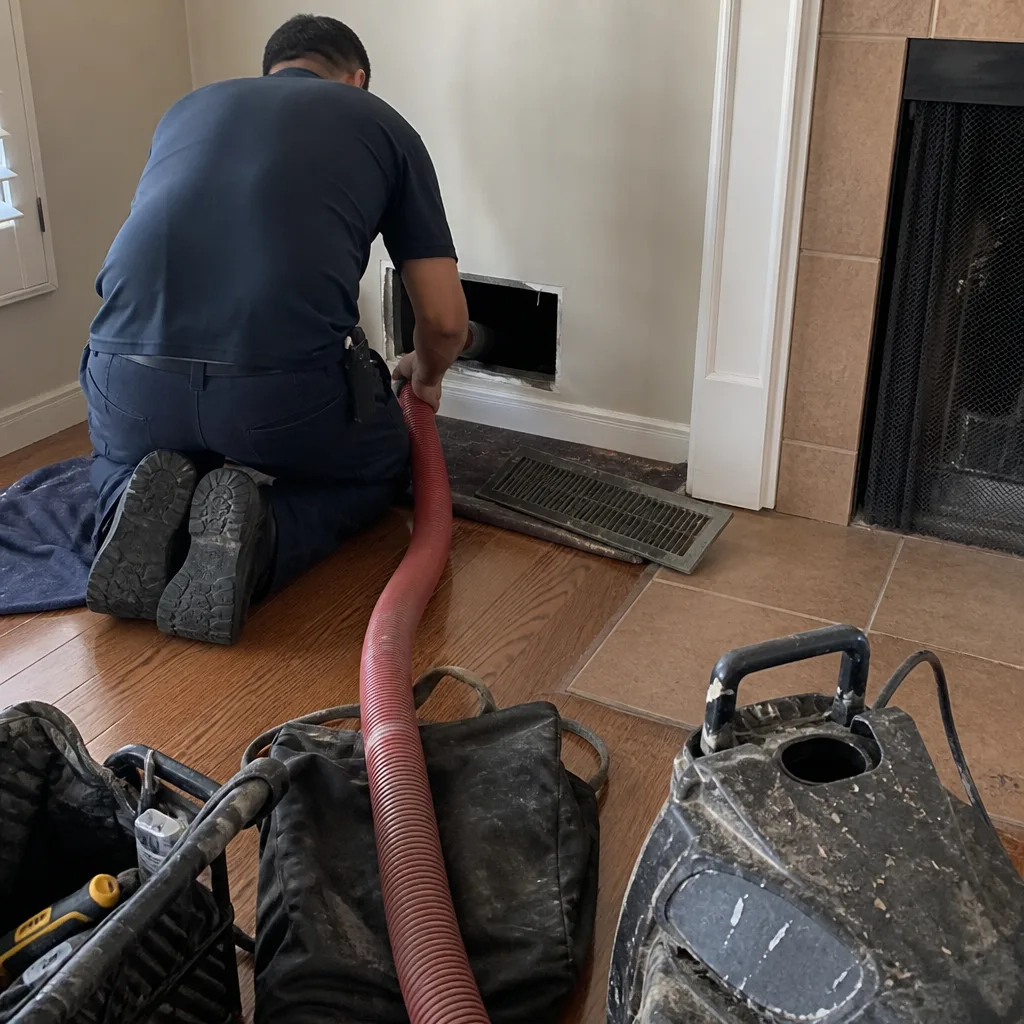 Before
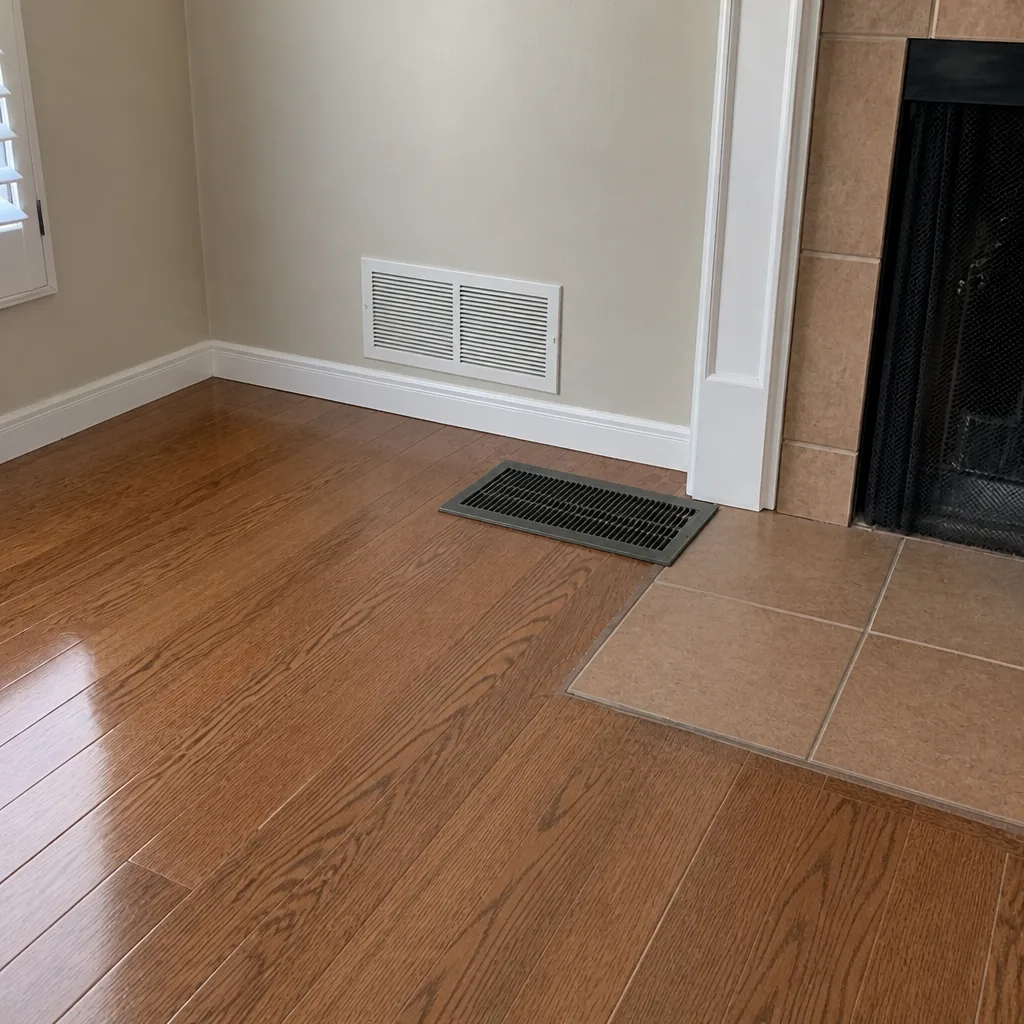 After
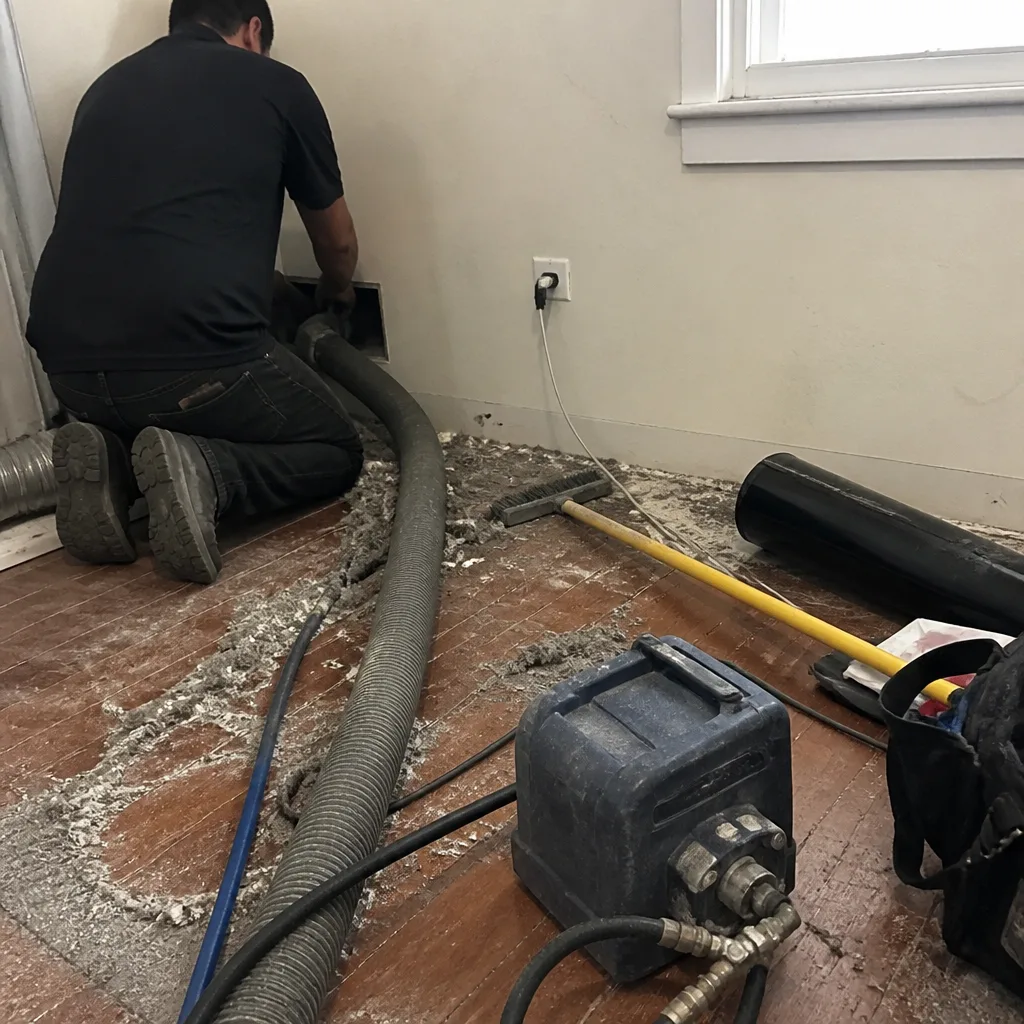 Before
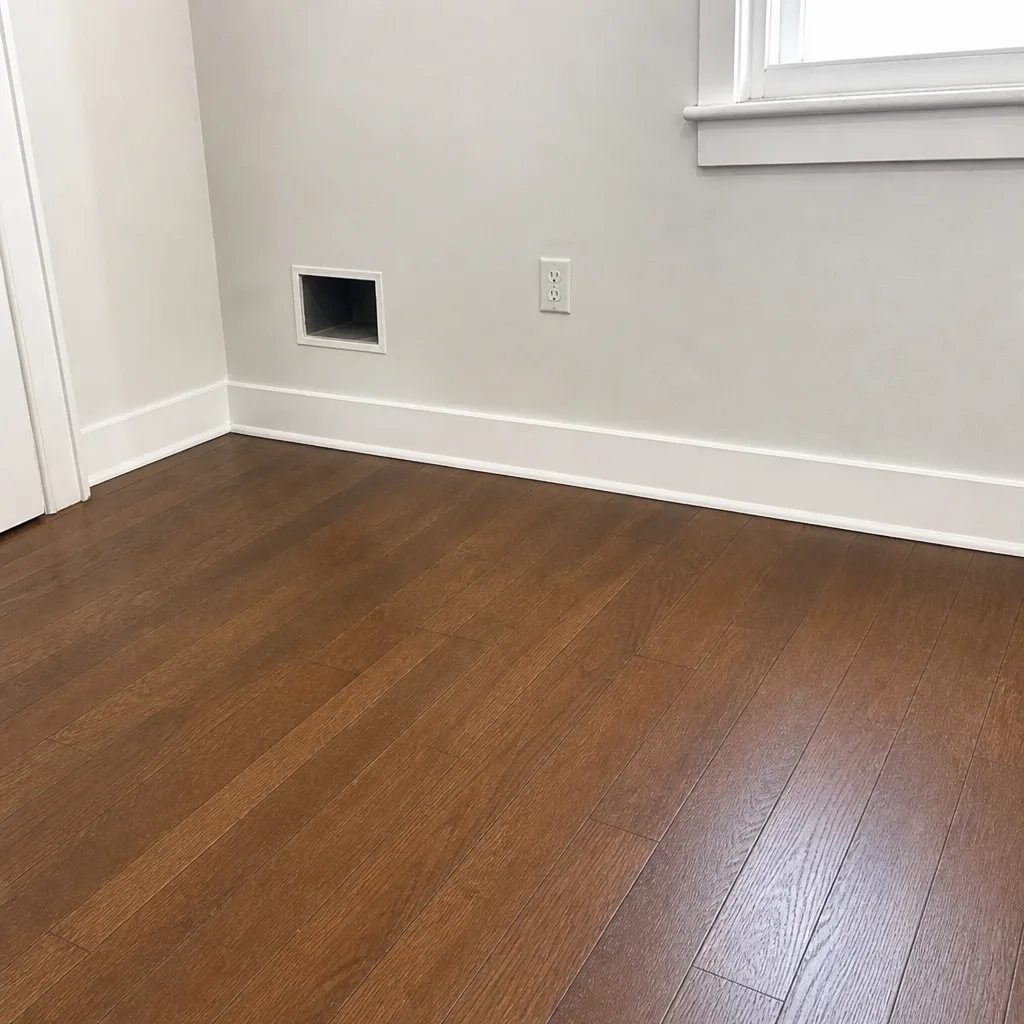 After
Frequently Asked Questions
Most single-family homes in Castro Valley pay between $550 and $800 for complete air duct cleaning in 2026, covering all supply and return ducts, plenums, and the air handler area with professional-grade agitation and HEPA extraction. Smaller ranchers under 1,200 square feet may come in around $450, while larger hillside homes over 3,000 square feet can exceed $1,000. The written estimate sets the final price; call (855) 382-9257 for an exact quote, and estimates are free.
The lower quotes usually reflect a different scope of work: passive vacuuming through registers with no mechanical agitation, no HEPA filtration, and no negative-pressure containment. That process removes loose surface dust but leaves the adhered layer on duct walls, and without HEPA extraction, fine particulates can recirculate into your Castro Valley home. The equipment difference is real, and it shows up in both the quote and the result.
Ask for before-and-after photos of the main trunk lines and accessible duct sections. Any legitimate company can produce them with a simple camera probe. You should also receive a written scope of work before the job and confirmation of what was completed afterward. If a company won’t document the work, that’s a signal to find a different one.
For most Castro Valley homes, every three to five years is appropriate, but that varies with conditions. Homes with multiple pets, recent renovation, smokers, or occupants with significant allergies may benefit from more frequent service. Homes with well-maintained filtration and low occupancy may go longer. The honest answer is that duct cleaning frequency depends on what’s actually accumulating in your specific system, not on a universal calendar.
No. Dryer vent cleaning is a separate service on a separate exhaust path that carries lint from your dryer to the outside. It addresses a primary cause of residential structure fires and should be maintained independently of your HVAC ducts. A full-service company does both, but they’re priced as separate services.
Castro Valley’s mild winters and dry summers mean HVAC systems see moderate use year-round, which can actually create more consistent dust accumulation than systems that sit idle for months. The valley’s grass and oak pollen seasons add allergenic particulates to the mix. Regular duct cleaning helps keep that particulate burden from cycling through your living space every time the system runs. Call (855) 382-9257 and we can talk through your specific setup. We answer 24/7. Fast dispatch from 7am to 7pm, Sunday through Friday.
The Bottom Line
Air duct cleaning in Castro Valley costs between $450 and $900 for most homes in 2026, and the range exists because genuinely different services are sold under the same name. A legitimate whole-system cleaning includes mechanical agitation, HEPA extraction, and negative-pressure containment. Legitimate add-ons like dryer vent cleaning and air duct repair address real maintenance needs and fire-safety concerns. The cheapest quote is rarely a bargain, but an expensive quote isn’t automatically a good one either. Get the scope in writing, ask about equipment, require before-and-after photos, and compare what’s actually being done. Your ducts carry the air you breathe in every room of your Castro Valley house. The work should be documented, the equipment should be nameable, and the price should be agreed before the van door opens.
Written by the team at Duct Cleaning Castro Valley, serving Castro Valley since 2012.