
Last updated November 4, 2026
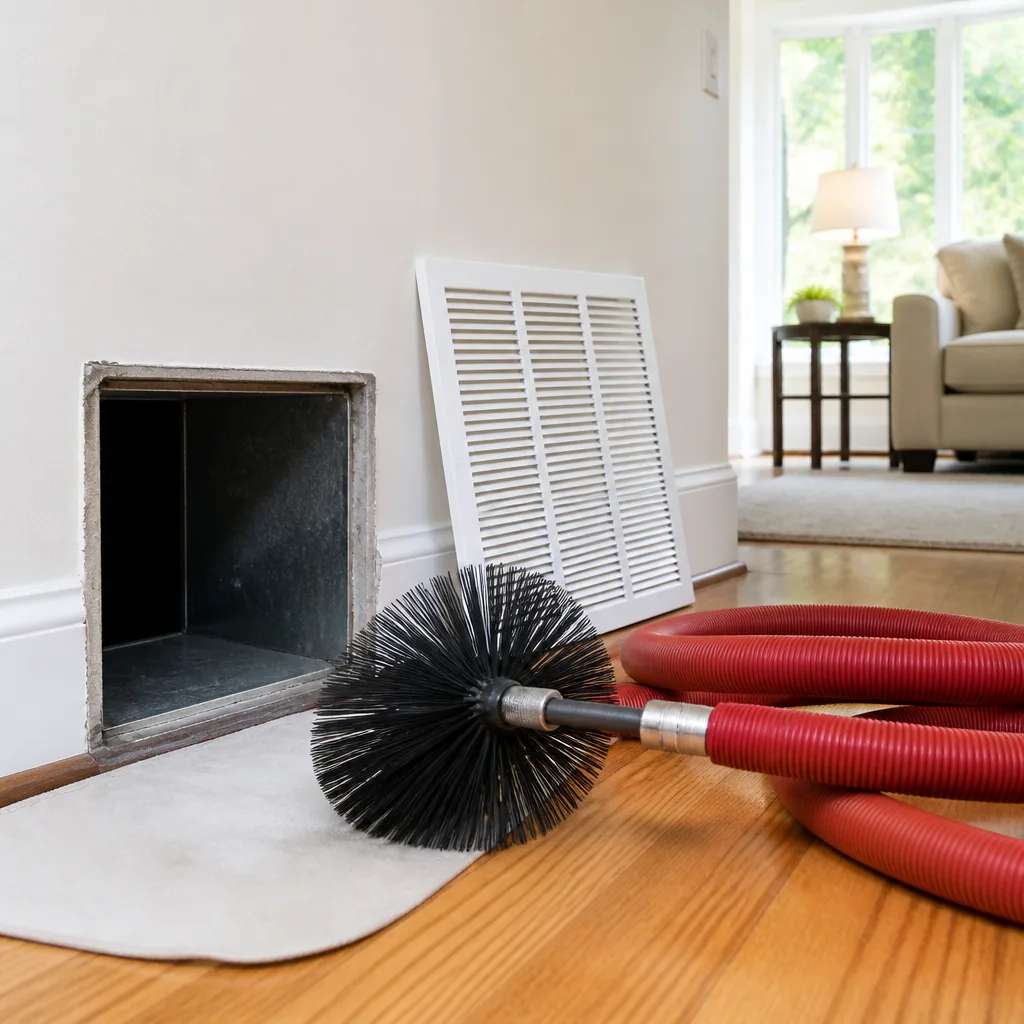 Whole-home duct cleaning
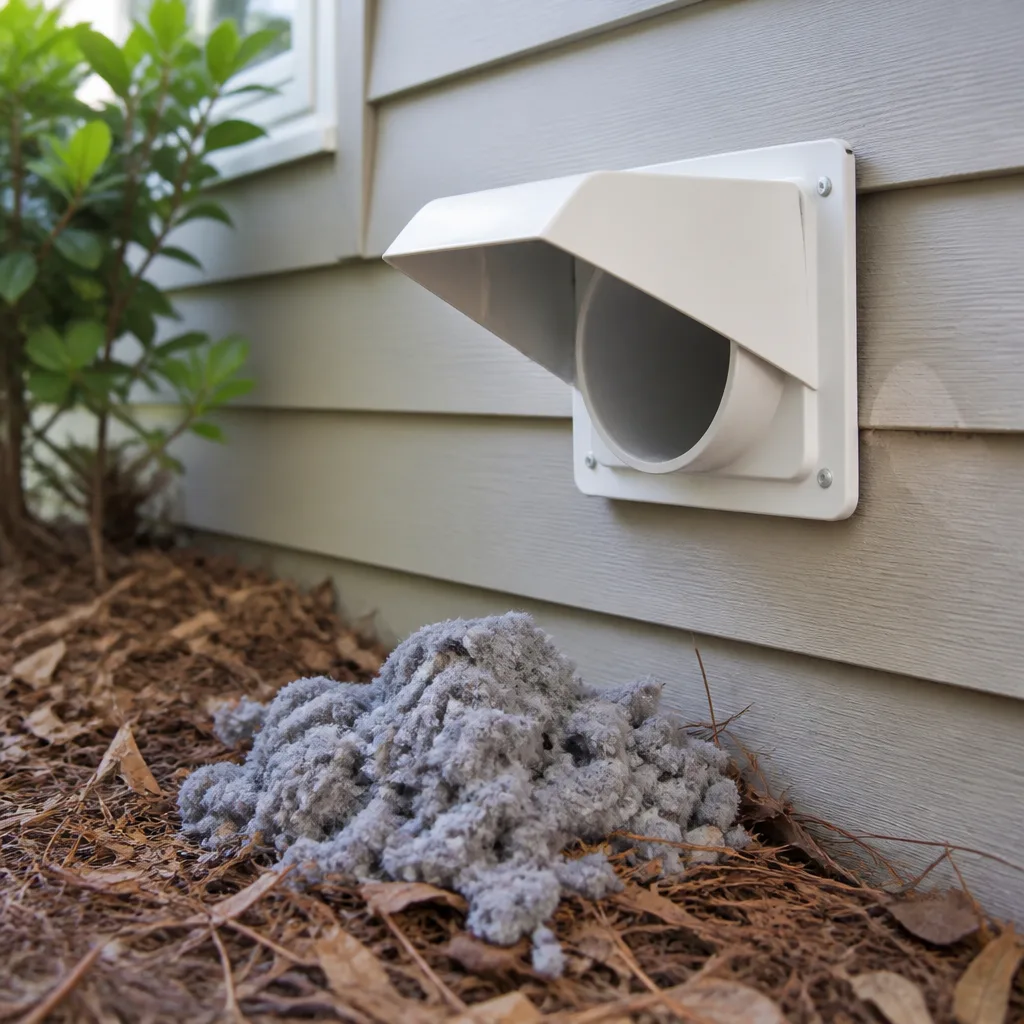 Dryer vent cleaning
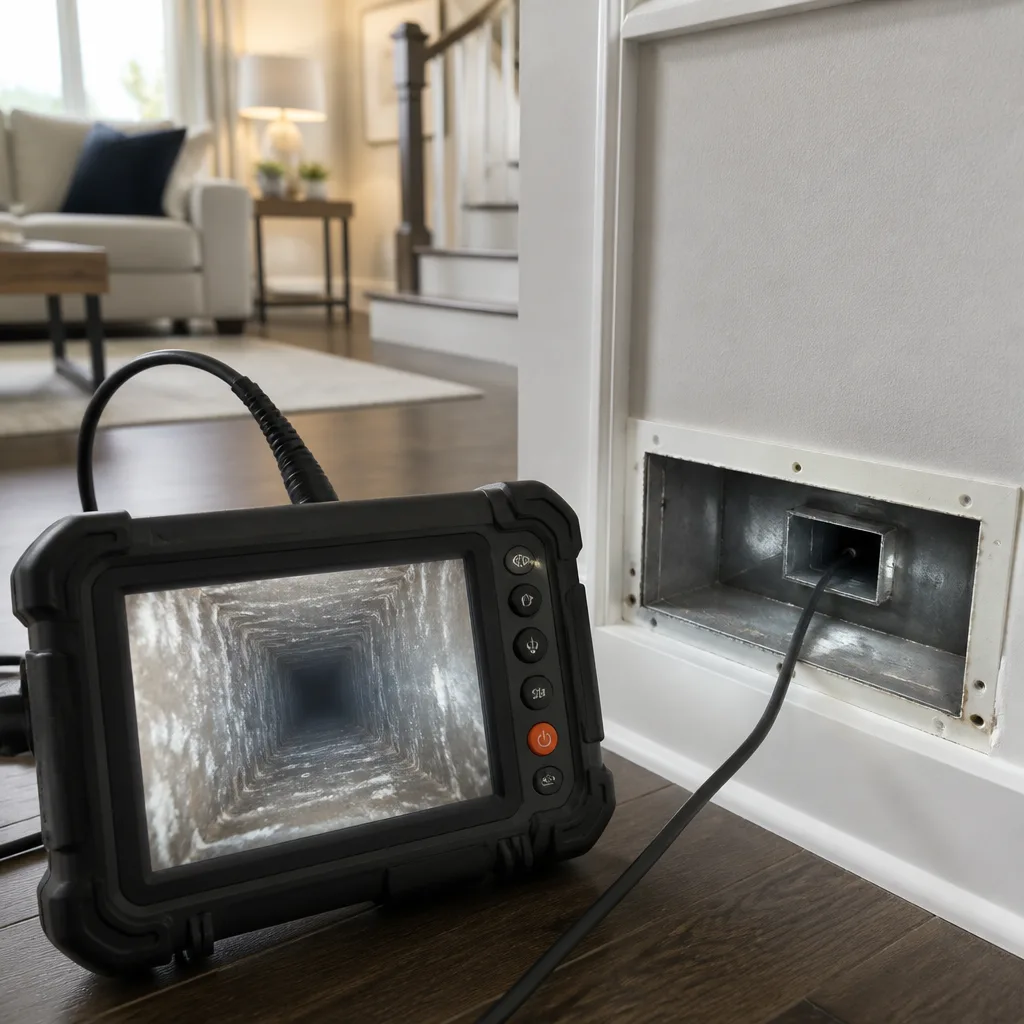 Camera inspection
 Sanitizing & deodorizing
Whole-system duct and dryer vent check with before-and-after photos - you see exactly what came out of your vents
That "$99 whole-house special" is a bait ad - the real number appears once they are in your hallway, or the "clean" is a shop-vac at the register. We photograph the inside of your ducts before and after instead.
Air Duct Cleaning Maintenance Checklist for Castro Valley Homeowners
Here’s a fact most Castro Valley homeowners learn too late: the quarter-inch filter behind your return grille is not a duct maintenance plan. It catches what the blower pulls through it in that one spot, but it does nothing for the slow accumulation inside the branch lines, the supply boots, or the return cavities. When that filter loads up during a stretch of hot, still air or a wildfire smoke event, the air simply bypasses around it, carrying fine particulate straight into the duct lining. That bypass dust becomes the sticky substrate that traps more dust. Over a few seasons, the system you thought was protected is now spreading debris through every room. This guide gives you a working maintenance rhythm, concrete checkpoints you can do without tools, and the triggers that mean it’s time to bring in professional equipment.
Quick Answer
A practical air duct cleaning maintenance checklist for Castro Valley homes involves four layers: monthly visual checks on grilles and caps, seasonal filter decisions based on wildfire smoke conditions, annual inspection of duct sealing and return integrity, and a documented service history so each professional cleaning builds on the last. Homeowners should also run a parallel dryer vent checklist, since lint accumulation follows the same pattern of gradual, invisible buildup.
Call (855) 382-9257 for specific guidance on your system. We answer 24/7. Fast dispatch from 7am to 7pm, Sunday through Friday.
Styles & brands we work with
- Whole-home duct cleaning
- Dryer vent cleaning
- Camera inspection
- Sanitizing & deodorizing
Table of Contents
- Monthly Visual Checks You Can Do Without Tools
- Filter Strategy for Castro Valley’s Wildfire Season
- Seasonal Maintenance Rhythm: Spring and Fall Tasks
- Annual Duct Sealing and Integrity Checks
- How to Maintain a Service Log That Saves You Money
- The Parallel Dryer Vent Checklist
- When to Move from DIY Checks to Professional Service
Monthly Visual Checks You Can Do Without Tools
Most duct problems announce themselves visually long before they show up on a utility bill or in allergy symptoms. The trick is knowing where to look, and making it a habit that takes five minutes. In our experience cleaning systems across Castro Valley, the homes with the cleanest duct interiors are not the ones cleaned more often. They are the ones where someone actually looked at the registers every month.
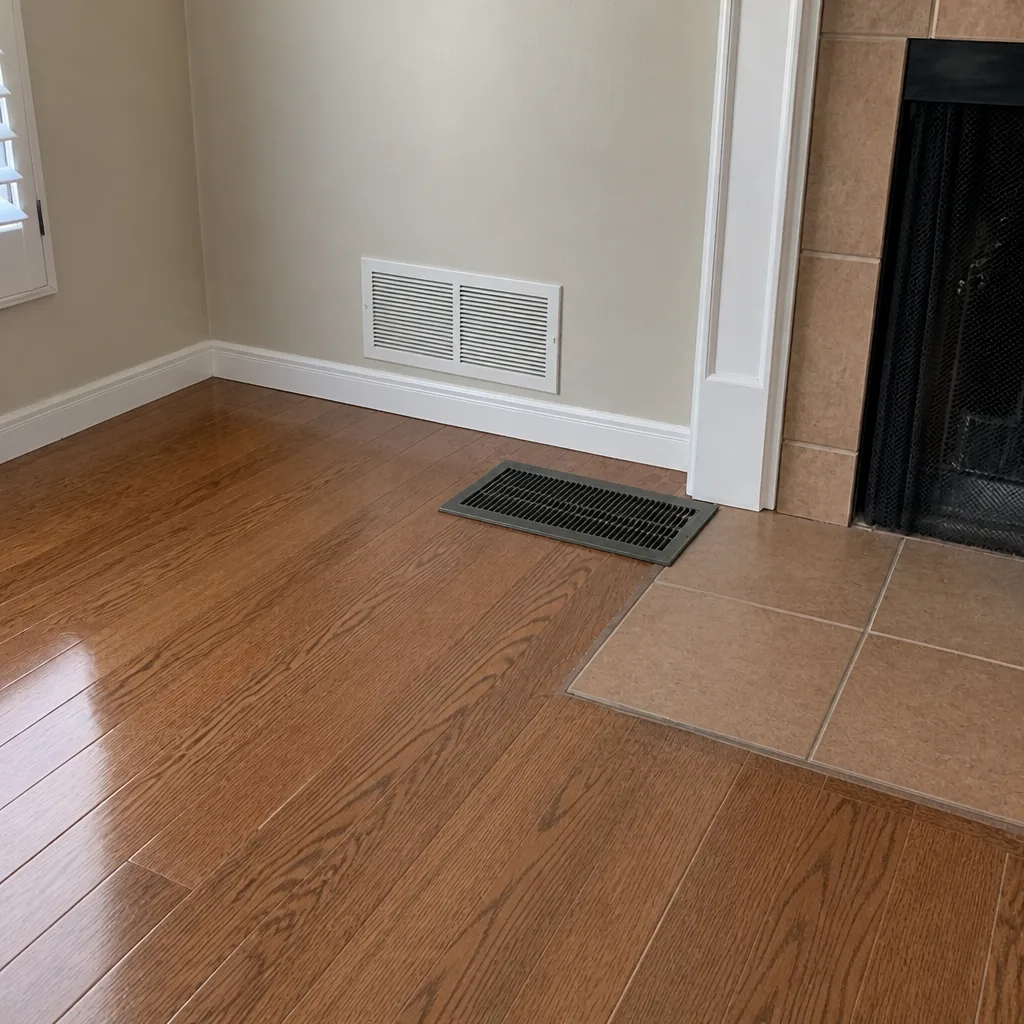
Start with the obvious surfaces. Walk each room and examine the supply register, which is the grilled opening that blows conditioned air into the space. Look for a grey film building up on the edge of the louvers. That film is the leading edge of what is also coating the inside of the branch duct behind that register. If you see visible dust clinging to the outside of a register, the interior load is always heavier. Wipe the register face with a damp cloth and note how quickly the film returns. A fast return means the duct behind it is actively shedding particles.
Next, find every return air cover in the home. Returns are the openings that pull air back toward the furnace or air handler. They tend to be larger than supply registers, often located in hallways or central rooms. Check for a dark pattern forming around the edges of the cover, especially on the hinge side. That pattern is not cosmetic. It is evidence of the vacuum effect pulling unfiltered air through gaps around the return box, bypassing the filter entirely.
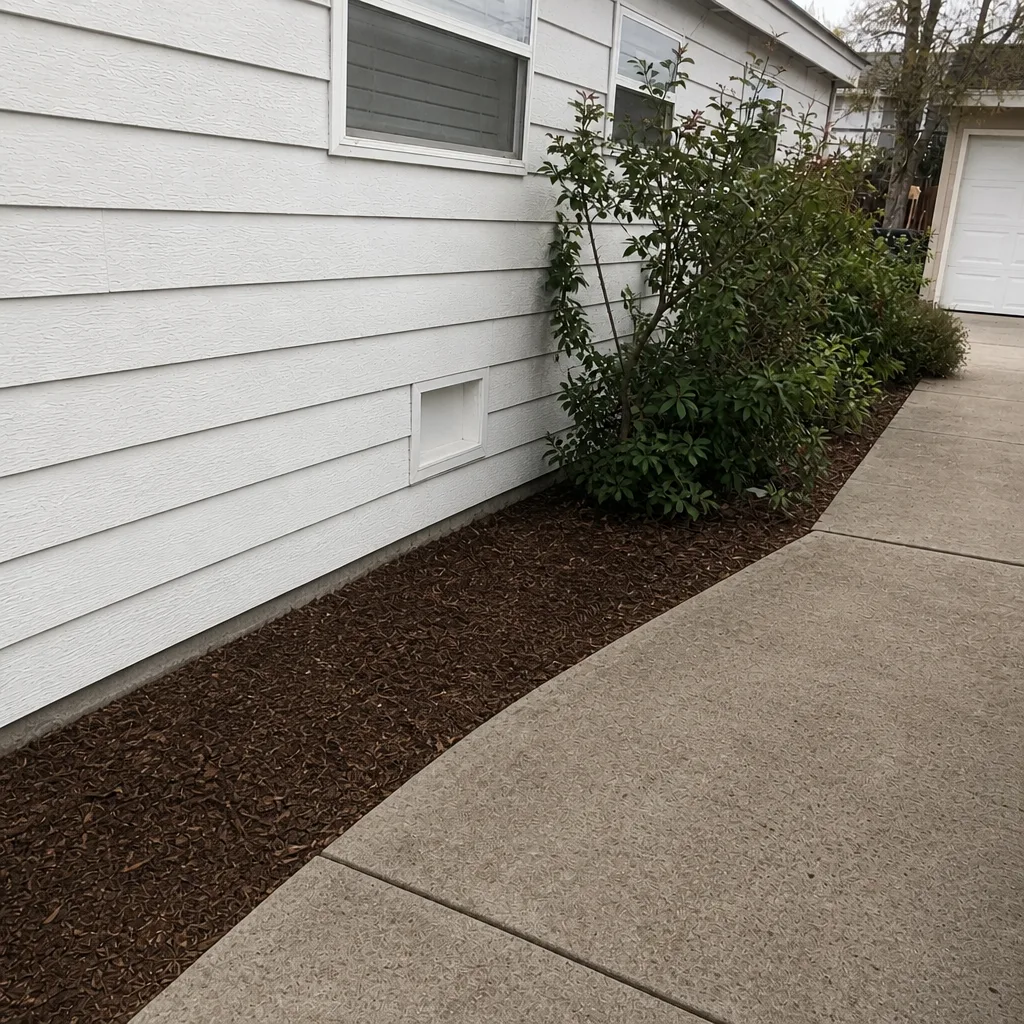
Finally, walk outside and look at the dryer vent termination cap, the small louvered fitting where the dryer exhaust exits the home. The flaps should be closed when the dryer is not running. If they hang open, or if you see lint collecting on the exterior wall near the cap, the vent is already restricted. This is the earliest visual warning of a developing blockage, and it requires no disassembly or special knowledge to spot. A monthly glance at these three points costs nothing and gives you a constant baseline of what normal looks like for your home.
Filter Strategy for Castro Valley’s Wildfire Season
Castro Valley sits in a spot where wildfire smoke from the East Bay hills and beyond can park overhead for days. The filter you run in November is not necessarily the one you need in August. Understanding MERV ratings, and knowing when to move up or down, is the difference between a system that handles smoke season and one that clogs itself into inefficiency.
A MERV 8 filter is the common default and does a reasonable job catching household dust, pet hair, and carpet fibers during ordinary conditions. But MERV 8 is nearly useless against the fine particulate in wildfire smoke, which is composed of particles small enough to remain suspended in air for days. When a smoke event settles into the valley, a temporary switch to MERV 13 is worth the small cost. MERV 13 filters capture a meaningful percentage of smoke particles. The key word is temporary. Higher MERV means higher resistance. A permanent MERV 13 in a system not designed for it can starve the blower, reduce airflow, and raise static pressure. Homes in Castro Valley with older furnaces are particularly sensitive to this.
The practical rhythm we recommend is this: run MERV 8 through the mild winter and typical spring. When the first smoke advisory appears, typically during the hot, dry stretch from late summer into early fall, install a MERV 13 and plan to replace it every four to six weeks while the advisory holds. When the air clears, go back to MERV 8. If a household member has respiratory sensitivity, a mid-range MERV 11 is a reasonable year-round compromise for many systems. If you are unsure whether your blower can handle the additional load, have a technician check the static pressure before committing to a higher rating. This is a routine measurement we perform as part of a full-system assessment, and it prevents the expensive mistake of buying the wrong filter for the wrong season.
Seasonal Maintenance Rhythm: Spring and Fall Tasks
The HVAC calendar in Castro Valley has two natural inflection points: the switch from heating to cooling in spring, and the switch back in fall. These transitions are when attention to the duct system pays the largest dividend, because they represent the moment of maximum demand shift on every sealed joint and flex run in the system.
In spring, before the first warm spell, perform these five tasks:
- Replace the filter with a clean unit appropriate for the season, typically MERV 8 unless smoke has already begun.
- Inspect every visible duct joint in the attic or crawl space with a flashlight. Look for grey stains at the seams, which indicate escaping air and dust.
- Open each register and wipe the interior boot, the metal or plastic transition piece behind the grille, with a damp rag. Note any cracks in the boot or gaps between boot and drywall.
- Check the condensate drain line on the indoor air handler. A clog here leads to standing water, which creates conditions no duct system should have.
- Run the system in cooling mode for ten minutes and walk each room. Rooms that stay warm while adjacent rooms cool quickly often point to a disconnected or crushed duct branch, not a thermostat problem.
In fall, repeat the same sequence but add one more step. Before firing the furnace for the first time, inspect the return air path for any items placed against walls or furniture blocking return grilles. Returns need free air. A sofa pushed against a central return forces the blower to work harder and pulls air through secondary paths, including the wall cavities and gaps around the ductwork itself. That is unfiltered air entering the system and being distributed to every room.
These seasonal tasks are not a substitute for professional cleaning, but they extend the window between cleanings and reveal problems at the earliest possible point, when repairs are simple and inexpensive.
Annual Duct Sealing and Integrity Checks
Clean ducts are the start. Sealed, intact ducts are the finish. This is the principle that separates routine maintenance from actual system performance in Castro Valley homes, especially those with attic duct runs that bake through a long, hot summer.
Duct sealing is a specific thing. It means the mechanical joints where one duct section connects to another, where flex duct attaches to a sheet metal boot, and where the plenum meets the furnace are all airtight. Sealing is done with mastic, a thick paste applied to joints, or with foil tape rated for HVAC use. It is not done with standard cloth duct tape, which dries out and fails within a season or two in attic heat. The distinction matters because a joint that leaks 5% of its airflow is pushing conditioned air into the attic instead of the bedroom, and pulling dusty attic air into the living space through the return side. That is a year-round energy and air quality problem.
The heat cycle is the enemy of sealant. Attic temperatures in Castro Valley climb well past 100 degrees during summer afternoons. Sheet metal expands, flex ducts sag slightly, and joints that were sealed years ago can begin to fail. The right annual routine is a visual inspection of every accessible joint, looking specifically for flaking mastic, peeling tape, or visible gaps between the duct and the boot. If you can see light through a joint, or feel air moving around it while the system runs, that joint is compromised.
Air duct repair is a core part of what we do, and it is the step that transforms a cleaning from a temporary improvement into a lasting one. A cleaned system with leaking joints will re-contaminate within months, pulling attic dust into the stream. A sealed system holds the cleaning result. In our work across Castro Valley, we routinely find flex duct that has separated entirely from its boot, or sheet metal seams that have never been sealed at all. These are not exotic failures. They are the normal state of an aging system in this climate. Catching them annually keeps a small leak from becoming a full disconnection.
How to Maintain a Service Log That Saves You Money
The difference between a fifteen-minute assessment and a forty-five-minute one is almost always the service history. When a technician arrives at a home with no record of prior cleaning, seal work, or filter patterns, every visit starts from zero. That costs you time and often money, because the contractor has to re-diagnose conditions that a simple log would explain in seconds.
We recommend a paper log kept near the furnace or air handler. A simple notebook page works. On the page, record the date, what was done, and what was observed. A typical entry reads something like: “April 14: filter replaced, MERV 8. Registers wiped. Noted grey film on master bedroom register, heavier than last time.” That single line tells us more than a half-hour of inspection when we arrive for the next cleaning. It establishes a trend line for debris accumulation in specific rooms, which helps us identify which branch lines are loading fastest and why.
Also include in the log: every filter change with the MERV rating used, any visible damage to registers or boots, any musty odor noticed when the system starts, any respiratory complaints that correlate with system runtime, and any repair or cleaning performed by a contractor. If you had sealant applied, write down which joints were sealed and what product was used if the contractor will tell you.
This log transforms a one-time cleaning into a cumulative record. A contractor who sees three years of notes knows exactly which branch lines to inspect first, can compare current conditions against past baselines, and can make an honest recommendation about whether the interval between cleanings should shorten or lengthen. It is the single highest-leverage maintenance habit a Castro Valley homeowner can adopt, and it costs almost nothing.
The Parallel Dryer Vent Checklist
Your clothes dryer has a duct system too. It runs behind the wall and through the attic or crawl space, and it accumulates debris exactly the same way the HVAC ducts do, just faster and with more combustible material. Dryer vent cleaning is a safety item, not an add-on, and it belongs on the same maintenance calendar as the HVAC checklist.
The homeowner-level checks are simple. Monthly, look at the exterior termination cap as described earlier. If the flaps stay open, or lint is visible on the wall around the cap, the vent needs attention. Also feel the outside of the dryer during a cycle. If the machine is hot to the touch, or if a load that used to dry in fifty minutes now takes eighty, that is restricted airflow through the vent line, not a failing dryer. The heating element is cycling on its high-limit switch because hot, damp air cannot escape.
Inside, the lint trap is the first line, and it is not sufficient. Even a trap cleaned after every load allows a meaningful amount of fine lint through, which accumulates in the vent pipe over months and years. The pipe itself is a long, ribbed surface that catches lint at every turn, and in Castro Valley homes where the dryer is located in a garage or interior room, the vent run is often long and multi-segmented, giving lint more distance and more bends to collect in.
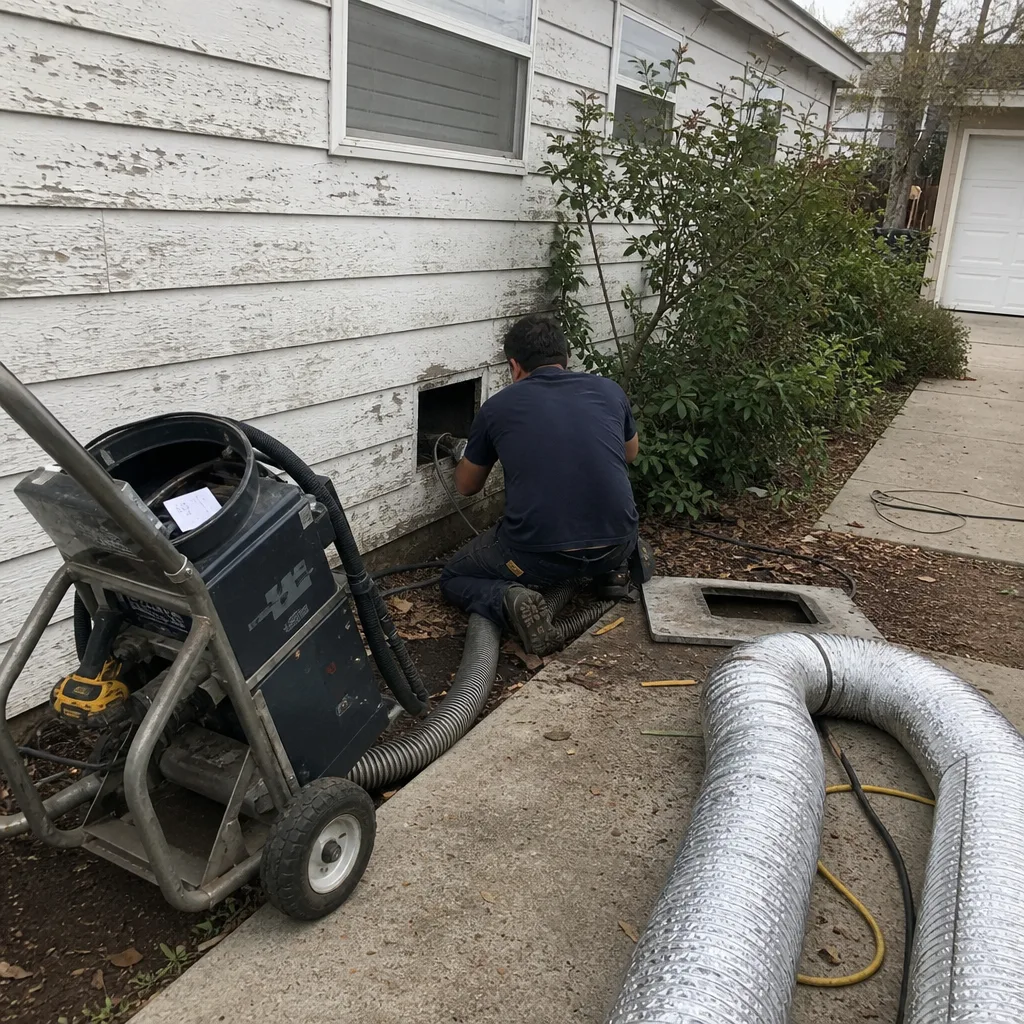
The annual professional cleaning of the dryer vent should happen on the same schedule as the duct inspection. We use the same professional approach for dryer vents that we use for HVAC ducts, with proper extraction so the loosened lint leaves the system instead of scattering into the room. If you have never had the vent cleaned and the home is older, assume it needs it. We have pulled enough compacted lint from long vent runs to know that a visible problem at the cap is always the small end of what is inside.
When to Move from DIY Checks to Professional Service
The monthly and seasonal checklist items catch early warnings. The professional service is what happens when those warnings cross a line. Knowing where that line sits prevents you from either ignoring a real problem or spending money before you need to.
Call in a professional when any of these conditions appear:
- Visible dust returns to register faces within two weeks of wiping them down.
- The grey film on registers is thick enough to smear when touched, not just a light coating.
- A musty or stale odor persists after filter replacement and register cleaning.
- Cooling or heating becomes uneven between rooms with no change in sun exposure or window conditions.
- Dryer loads take longer than normal or the dryer feels hot on the outside during operation.
- The service log shows debris loading faster over time, not slower.
- You have completed a renovation, especially drywall work, or moved into a home with unknown duct history.
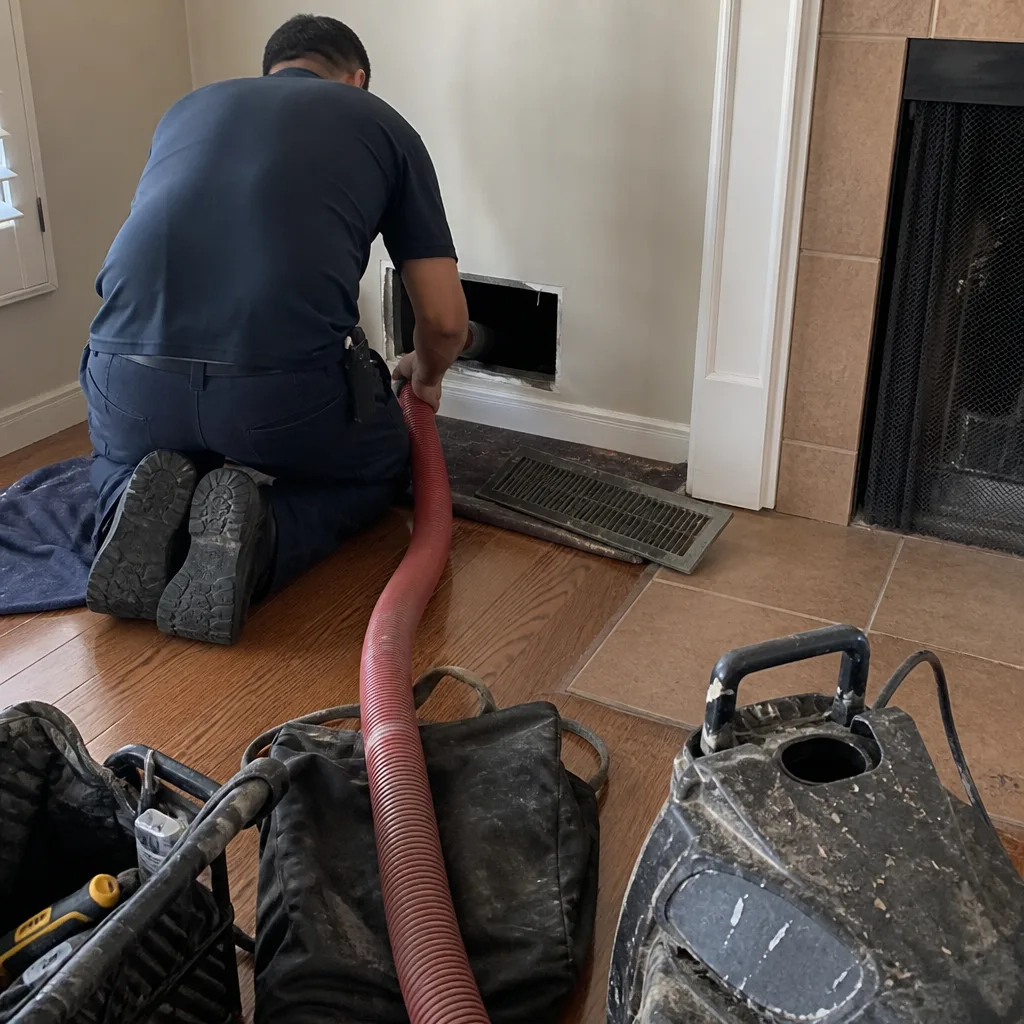
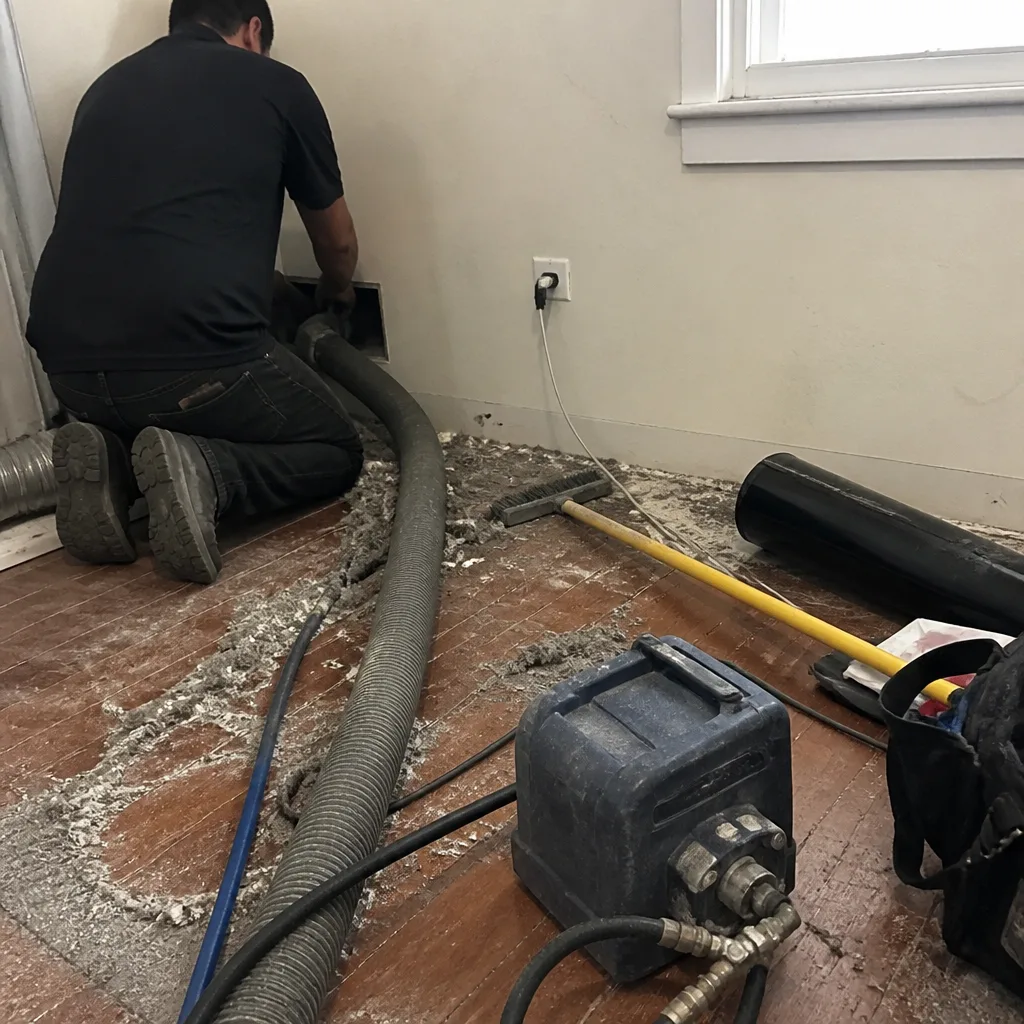
Professional cleaning in our model uses positive mechanical agitation and HEPA-rated extraction. Specifically, we run a Rotobrush rotary brush through each line to break the adhered debris off the duct walls, while a Nikro HEPA-rated negative air machine holds the system under negative pressure. The debris is collected at the machine, not recirculated into the living space. This is the process difference that matters. A shop vac and a brush cannot replicate it, and a homeowner cannot do it at all. For homes with compromised duct sections, the visit includes repair assessment so the cleaning does not simply re-dirty itself through open seams.
Common Mistakes to Avoid
- Running a clogged filter too long. A filter loaded past its capacity stops filtering. The air bypasses around it, and the duct lining collects the fine particulate instead. Change filters on schedule, not when they look black.
- Choosing MERV 13 permanently. High-efficiency filters are a tool for smoke season, not a year-round default. Left in permanently, they can strain the blower and reduce airflow through every room in a Castro Valley home.
- Ignoring the return side. Supply registers get the attention because they are visible in every room. But the returns move twice the volume and pull from dusty spaces like wall cavities and central halls. Clean and inspect both sides equally.
- Sealing gaps with cloth duct tape. Cloth tape fails in attic heat. The correct materials are mastic or foil-backed tape rated for HVAC. Using the wrong one means re-doing the job next year.
- Treating dryer lint as a laundry chore instead of a fire risk. The trap catches the big stuff. The vent line catches everything else, and it builds into a restriction that increases dryer temperature. The cap and pipe need annual inspection just like the HVAC ducts.
- Starting each contractor visit from zero. Without a service log, you pay for the same diagnostics twice. A simple notebook near the furnace changes that.
- Assuming clean equals sealed. A freshly cleaned duct with a leaking joint will re-contaminate in months. The two go together, and the checklist should reflect that.
See the difference
 Before
 After
 Before
 After
 Before
 After
When to Call a Professional
Some conditions cannot be inspected from the living space. If the service log shows rising debris loads, if a room refuses to match the rest of the house, or if a musty smell survives a filter change, the next step is professional assessment. Duct Cleaning Castro Valley offers free estimates in Castro Valley, and our assessment includes the whole path from return to register, not just the main trunk line. We work with a Duct Cleaning Castro Valley process built around Rotobrush agitation for contact cleaning, Nikro HEPA-rated extraction for containment, and Abatement Technologies negative-pressure units to protect the living space during the job. The result is a system that is clean on the inside and sealed at the joints, so the cleaning holds. Call (855) 382-9257. We answer 24/7. Fast dispatch from 7am to 7pm, Sunday through Friday.
Frequently Asked Questions
Most homes in Castro Valley benefit from professional air duct cleaning every three to five years, though homes with pets, recent renovation work, or nearby wildfire smoke exposure may need cleaning more often. The right interval is determined by what the monthly register checks and service log show, not by a fixed calendar. If visible dust returns to registers within weeks of wiping, the interval should shorten.
During a smoke event, a temporary MERV 13 filter provides meaningful particulate capture, but it should be removed once the air clears if your blower is not designed for that resistance level. A MERV 8 is appropriate for routine use in most Castro Valley systems, and MERV 11 is a reasonable compromise if someone in the home has respiratory sensitivity. Have the static pressure checked before committing to high MERV ratings permanently.
A shop vac reaches the first few feet of a duct line at most, and it does not generate the negative pressure needed to contain loosened debris. The ducts in a Castro Valley home can run dozens of feet through attics and crawl spaces, with bends and branch lines that require rotary contact cleaning to break adhered material free. Professional equipment such as a Rotobrush system for agitation and a Nikro HEPA-rated vacuum for extraction is designed to clean the full run and capture the debris at the machine, not push it into the living space.
Look for grey stains at the joints where ducts connect to boots or to each other, and for peeling tape or flaking mastic around those same joints in the attic or crawl space. Rooms that stay warm or cold while the rest of the house responds to the thermostat often point to a leak or disconnection on that branch line. An annual visual check of every accessible joint is the most reliable way to catch leaks early in Castro Valley homes, where attic heat cycles loosen old sealant.
Long dry times are the classic symptom of a restricted dryer vent. Lint builds up inside the pipe over time even when the trap is cleaned after every load, and a vent that runs through an attic or garage with multiple bends collects it faster. When the vent clogs, the dryer overheats and the high-limit switch cycles the element off, extending the cycle. If a load that used to finish in fifty minutes now takes eighty, inspect the exterior cap and plan for a professional dryer vent cleaning.
Clear access to the furnace or air handler, the attic or crawl space entry, and all registers and returns. Move any furniture or stored items away from openings. Have the service log ready with the dates and observations from your own checks. If anyone in the home has specific respiratory concerns, mention them so the technician can note which rooms to prioritize. The more complete the record you provide, the faster and more accurate the assessment will be. Call (855) 382-9257 to schedule a free estimate in Castro Valley.
The Bottom Line
Duct maintenance in Castro Valley is a cycle, not an event. The monthly register and cap checks, the seasonal filter decisions based on smoke conditions, the annual sealing inspection, the parallel dryer vent routine, and the basic service log are all pieces of one habit. Kept together, they catch small problems before they become expensive ones and give any contractor the context needed to work precisely instead of starting over each visit. When the system crosses into conditions the homeowner cannot see or fix, professional cleaning and repair complete the loop. The filter is the first line, the checklist is the daily discipline, and the professional equipment is what resets the system when accumulation wins. That is the full answer for a Castro Valley homeowner who wants clean air without guessing.
Written by the team at Duct Cleaning Castro Valley, serving Castro Valley since 2012.