
Last updated November 4, 2026
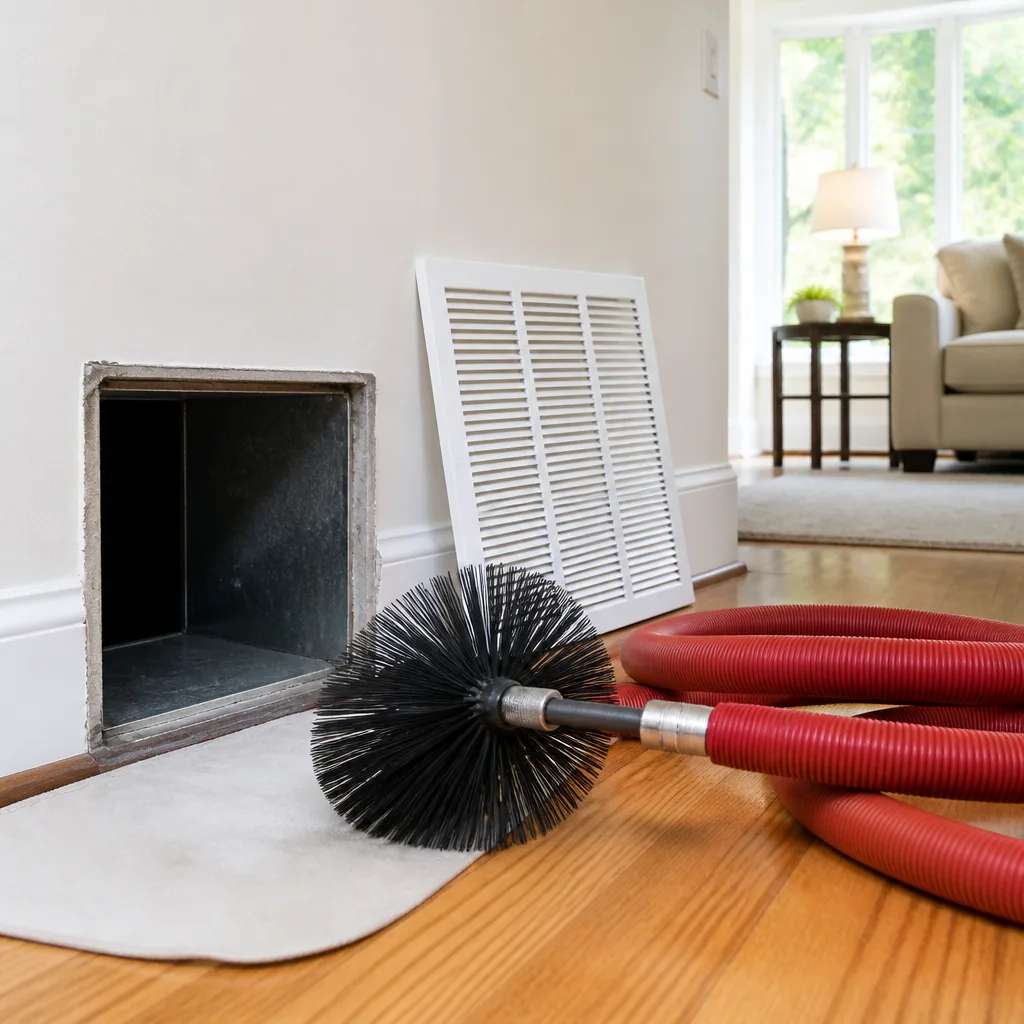 Whole-home duct cleaning
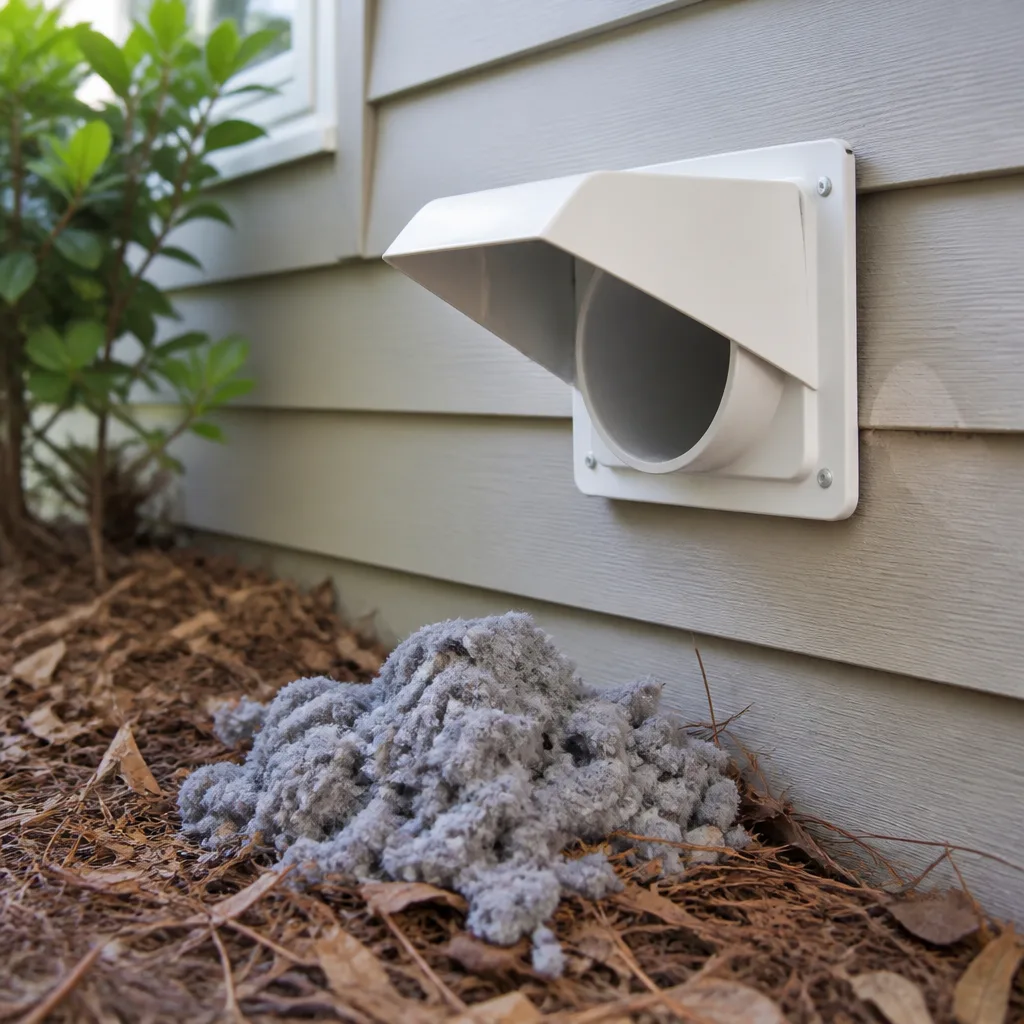 Dryer vent cleaning
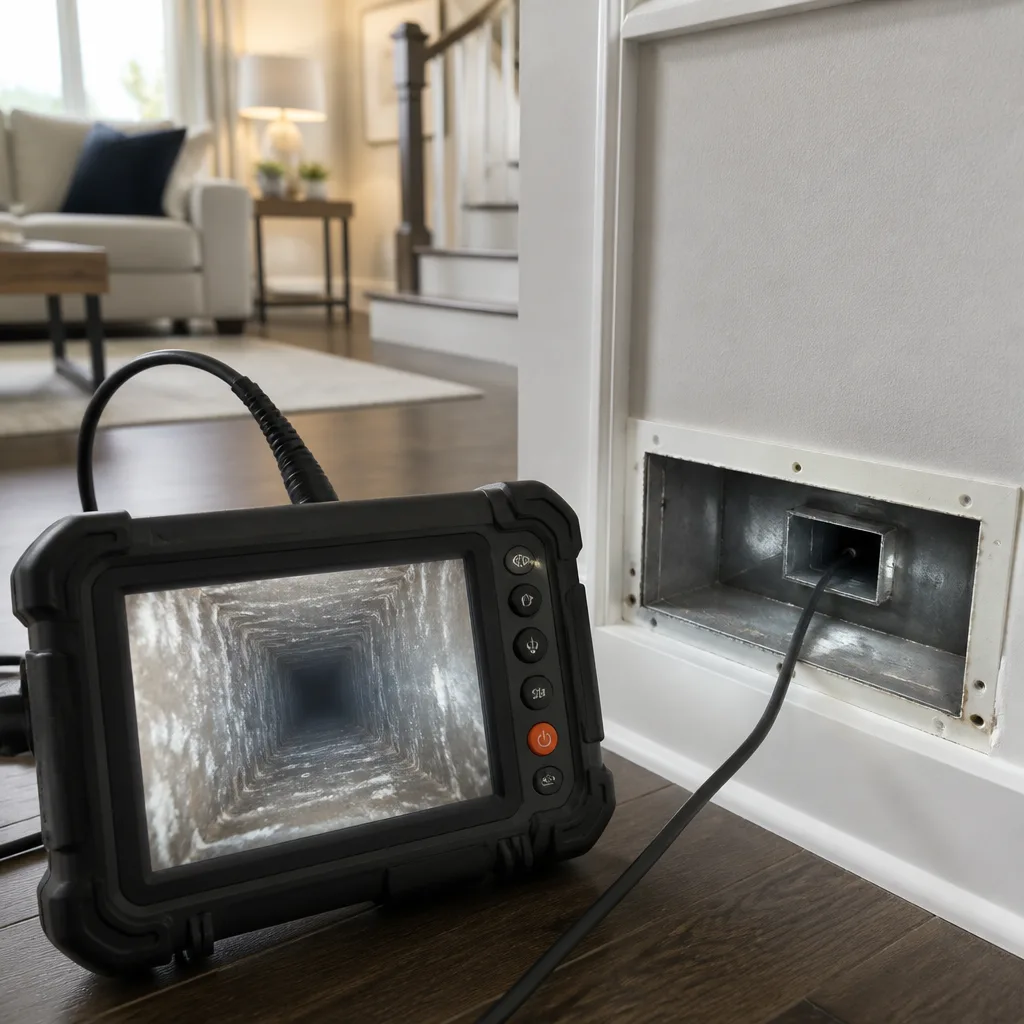 Camera inspection
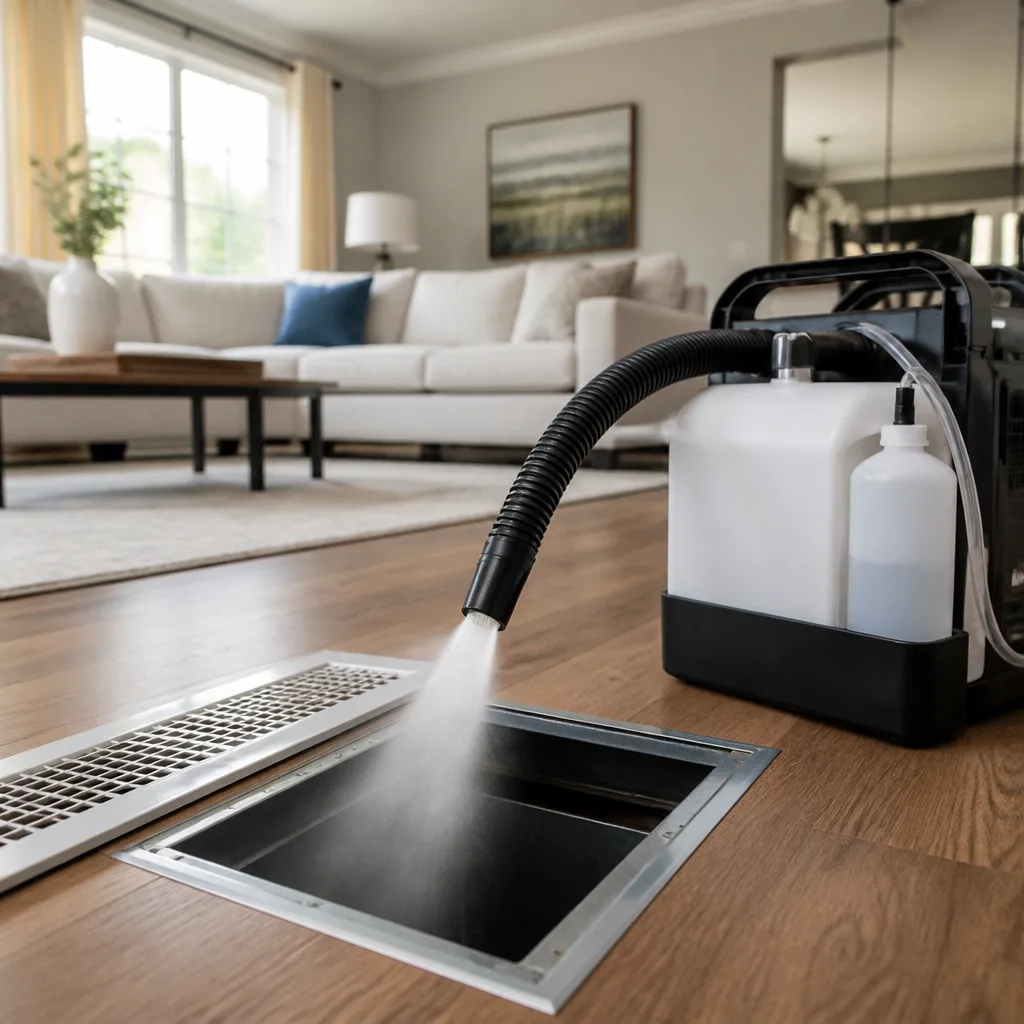 Sanitizing & deodorizing
Whole-system duct and dryer vent check with before-and-after photos - you see exactly what came out of your vents
That "$99 whole-house special" is a bait ad - the real number appears once they are in your hallway, or the "clean" is a shop-vac at the register. We photograph the inside of your ducts before and after instead.
Air Duct Cleaning Emergency Preparedness Guide for Castro Valley Homes
Most homeowners in Castro Valley think of duct cleaning as routine maintenance, something you schedule when the seasons change. The reality is different. The most consequential duct problems here aren’t slow dust buildup. They’re acute events: a wildfire smoke plume settling over the East Bay hills, a remodel kicking drywall dust through the return air, or water finding its way into a crawlspace duct run after a heavy storm. In those moments the duct system stops being a passive air channel and becomes a distribution network for whatever entered it. This guide explains how to protect and restore your duct system when emergency conditions hit, what to shut down, what to inspect, and when cleaning alone isn’t enough.
Quick Answer
Air duct cleaning emergency preparedness in Castro Valley means knowing three things: when to shut your HVAC down during a smoke or dust event, what to inspect afterward for embedded particulate or moisture, and when professional extraction is required. Homes that ran HVAC during the 2020 wildfire smoke events pulled fine particulate into duct linings that standard cleaning doesn’t fully address. The right response combines temporary system shutdowns, post-event inspection, and professional-grade cleaning when contamination has settled into the system.
Styles & brands we work with
- Whole-home duct cleaning
- Dryer vent cleaning
- Camera inspection
- Sanitizing & deodorizing
Table of Contents
- Wildfire Smoke Protocol for Your HVAC System
- Post-Smoke Event Inspection: What You’re Looking For
- Construction Dust Management During Remodels and Development
- Water Intrusion and Flood Scenarios in Duct Systems
- How Negative-Pressure Containment Works During Hazardous Cleanings
- When Cleaning Isn’t Enough: Duct Repair After Emergencies
- The Dryer Vent Angle No One Checks After a Smoke Event
- Common Mistakes to Avoid
Wildfire Smoke Protocol for Your HVAC System
Castro Valley sits in a geographic bowl that holds smoke when Bay Area fires push particulate inland. During the 2020 wildfire events, East Bay air quality hit AQI 200+ for multiple consecutive days. Homes that ran HVAC on those days with standard filters were actively pulling smoke particulate into duct linings. The question isn’t whether smoke got in. It’s how deep it settled.
Here’s the protocol we recommend for Castro Valley homeowners when AQI climbs above 150 and stays there:
- Shut down outdoor air intake first. If your system has a fresh-air damper or economizer, close it. This is your primary smoke entry point.
- Switch to recirculate mode. Most residential systems already run on recirculate by default. Confirm yours is not pulling makeup air from outside.
- Assess your filter situation. A standard MERV-8 filter will not stop wildfire smoke particulate. Smoke particles are primarily in the 0.3 to 2.5 micron range, well below what basic filters capture.
- Consider a temporary MERV-13 filter. This is a worthwhile trade-off during a multi-day smoke event. The denser media increases static resistance, which reduces airflow slightly. But the alternative is raw smoke particulate coating the blower, the coil, and every inch of duct liner. Some systems can handle a temporary MERV-13 without issue. Others will strain. Know your system’s airflow rating before making the swap.
- Run the fan on low during the worst of it. Moving air through even an imperfect filter is better than stagnant smoke air sitting in the home. But understand this is mitigation, not prevention. The system will need attention after the event passes.
If the smoke is thick enough to see haze indoors, shut the HVAC down entirely and use portable HEPA air purifiers instead. A Honeywell or Aprilaire portable unit with a true HEPA filter will clean the room air without pulling outdoor particulate through the ductwork. Once outdoor AQI drops below 100 for a sustained period, you can resume normal operation and begin the inspection process.
Post-Smoke Event Inspection: What You’re Looking For
After a significant smoke event in Castro Valley, the duct system holds evidence of what passed through it. The inspection doesn’t require special tools to begin. You’re looking at visible surfaces and using your senses.
Start at the registers. Remove a floor or wall register where the most airflow occurs, typically in a hallway or the main living area. Reach inside with a clean white cloth or paper towel. Wipe the inside surface of the duct wall. What you’re looking for:
- Dark, oily residue. Wildfire smoke carries resins and oils. When it deposits on duct surfaces, it creates a tacky film that doesn’t wipe clean with dry contact alone. This film traps subsequent dust and becomes a long-term particulate reservoir.
- Grey or brown streaking. This indicates turbulent airflow deposited smoke particulate unevenly. Streaks are common at seams, elbows, and where the duct passes through unconditioned space.
- An acrid or campfire smell that persists after outdoor air clears. Smoke odor that remains weeks after the event means particulate is embedded in porous surfaces inside the system, not just settled dust on hard surfaces.
Open the air handler cabinet if the system is off and you can do so safely. Look at the blower wheel blades. Smoke particulate accumulates on the leading edges of blower blades as dark, fine dust. This is a strong indicator that the same particulate has moved through the entire duct run and settled elsewhere too.
Check the filter you ran during the event. If it’s black or dark grey across its entire face, the system was filtering significant smoke. The filter did its job. But that job description was catching what it could, not everything.
One more check: feel the inside of a flex duct run if accessible. Smoke particulate embedded in the porous inner liner of flex duct doesn’t respond to compressed air cleaning alone. It requires rotary contact agitation, which is where the Rotobrush system comes in during professional cleaning. If you’re seeing or smelling these indicators after a Castro Valley smoke event, the system needs professional attention, not a filter change and patience.
Construction Dust Management During Remodels and Development
Castro Valley has an active remodel market. Older homes get kitchens and bathrooms opened up. Additions go in. Meanwhile, larger development projects raise dust that settles over entire neighborhoods. In both cases, fine particulate enters homes through open windows and doors, and the return air system pulls it into the ductwork.
Construction dust is different from household dust. It’s finer, denser, and often contains silica from drywall compound, concrete, or tile work. This dust passes through standard filters with ease and accumulates in ducts the same way smoke particulate does. The difference is that construction dust is mineral-heavy and abrasive, accelerating wear on blower components when it recirculates.
If you’re remodeling while living in the home, here’s what to do:
- Seal off the work area. Plastic sheeting over doorways, even if it’s a temporary barrier, is far better than nothing. Tape the seams.
- Run a box fan with a furnace filter taped to it in the work area. This is basic dust control that captures a meaningful amount of the airborne dust before it reaches your return air.
- Cover return registers in the work zone. The return air path is what pulls dust into the system. Blocking returns in the immediate work area forces air to find other routes.
- Check your filter weekly during the project. A filter that loaded up in seven days during a remodel was doing its job. Replace it. A clogged filter strains the system and forces air around the media, not through it.
- Schedule a post-remodel air duct cleaning once the dust-producing work is complete. This is not a luxury. It’s the single most effective way to remove construction dust from the system after the project ends.
For neighborhood construction dust, the protocol shifts. You can’t seal off the source. What you can do is keep windows closed on heavy dust days, run the system on a slightly higher MERV filter if the system tolerates it, and inspect the filter and registers more frequently. If you’re seeing a film of fine dust on horizontal surfaces inside the home within days of cleaning, your system is distributing particulate from outside.
Water Intrusion and Flood Scenarios in Duct Systems
Heavy winter storms in Castro Valley bring a less visible but more damaging problem than smoke: standing water in crawlspaces. Many Castro Valley homes have raised foundations with ductwork running through the crawlspace. When water pools under the home, it creates humidity that rises into the duct system. In the worst cases, water enters the ducts directly through gaps, failed connections, or tears in flex duct.
Here’s the timeline that matters. Mold colonization on wet organic material begins within 48 to 72 hours. Duct liner is an organic material. Flex duct inner liner is organic on many older installations. If water sits in a duct run for even a few days, you’re not dealing with a cleaning issue. You’re dealing with a remediation issue.
What to look for after heavy rain or any standing water event in Castro Valley:
- Musty or earthy smell from the registers. This is the single most reliable indicator of moisture inside the duct system. It’s not subtle and it doesn’t resolve on its own.
- Visible water staining on the exterior of ducts in the crawlspace. If you can safely access the crawlspace, look for dark stains, sagging flex duct, or pooled water under duct runs.
- Increased humidity readings inside the home. A duct system holding moisture adds humidity to the conditioned space even when the outdoor air is dry.
- Reduced airflow from specific registers. Wet flex duct loses its structural integrity and can restrict airflow as the inner liner separates from the insulation.
Cleaning alone cannot resolve mold colonization in duct liner. The contaminated material must be removed and replaced. This is why Duct Cleaning Castro Valley pairs cleaning with repair as a standard capability. Compromised ductwork gets fixed, not just cleaned. After water intrusion, the sequence is: dry the crawlspace first, assess the duct condition, replace what’s contaminated, then clean the remaining system to remove any residual spore load. If you clean first and the crawlspace is still wet, you’ve wasted the service call.
How Negative-Pressure Containment Works During Hazardous Cleanings
When a duct system has been contaminated by smoke or water damage, cleaning it creates a secondary problem: what happens to the particulate you’re removing? If the cleaning process simply agitates the duct interior without controlling the airflow, you push contaminated air into the living space. The job gets cleaner ducts and a dirtier house.
This is where Abatement Technologies containment equipment matters. During a hazardous-condition cleaning, a negative air machine is placed at one end of the duct run, typically at the air handler or a main trunk access point. The machine pulls air through the system at a controlled rate, creating negative pressure inside the ductwork. What this means practically:
- Contaminants are captured, not recirculated. The negative air machine exhausts through HEPA filtration, so anything pulled out of the ducts is trapped in the filter media, not released into the home.
- The living space stays clean. Because air flows into the duct system rather than out of it during cleaning, the living space is protected from the particulate being dislodged.
- The agitation step actually works. Rotobrush rotary contact dislodges embedded debris from duct surfaces, but without negative pressure pulling that debris out of the system, it resettles further down the run. Containment makes the agitation effective.
Nikro HEPA-rated extraction equipment serves the same purpose during the vacuum step. The loosened material goes into a HEPA-filtered capture system, not into the room air. This is the difference between a process that moves dust around and a process that removes it. When we work on a smoke-contaminated system in Castro Valley, the containment setup isn’t optional. It’s the mechanism that makes the cleaning safe to perform inside a lived-in home.
When Cleaning Isn’t Enough: Duct Repair After Emergencies
Clean ducts are the start. Sealed, intact ducts are the finish. After a wildfire smoke event, a construction dust episode, or water intrusion, the duct system may have physical damage that cleaning won’t address. Here’s what to assess.
Liner damage from smoke. Smoke particulate chemically bonds to fiberglass or fiberboard duct liner. Professional cleaning with rotary contact will remove surface deposition. But if the liner has absorbed resins from heavy smoke over a multi-day event, the material itself may hold odor permanently. In those cases, the liner section needs replacement.
Dust-induced failures. Fine mineral dust from construction is abrasive. It accelerates wear on moving parts and can pack into corners and transitions so densely that airflow is permanently reduced. This is more likely in systems that haven’t been cleaned in years and suddenly took a high-dust load.
Water-damaged flex duct. Water inside flex duct degrades the inner liner. Once the inner liner separates from the insulation, the duct collapses. No amount of cleaning restores airflow to a collapsed flex duct. The run needs replacement.
Disconnected joints. The pressure changes associated with heavy contamination and the cleaning process itself can expose weak or failed connections at register boots, plenum transitions, and duct couplings. A system that’s leaking air is a system that’s pulling unfiltered air from the crawlspace or attic and sending it into the home.
Air duct repair is a core service, not a side note. After an emergency event, the honest answer may be that the system needs replacement sections before it needs full cleaning. A technician who only cleans will clean around the problem. The right response addresses both.
The Dryer Vent Angle No One Checks After a Smoke Event
Most homeowners think about the HVAC system during wildfire smoke. Almost no one thinks about the dryer vent. But the dryer draws air from inside the home into the dryer drum and exhausts it outside through a dedicated vent run. During heavy outdoor smoke, the home’s interior air is contaminated. That means the dryer is pulling smoke-contaminated air through the dryer and pushing it out through the vent.
The exhaust air leaving the dryer carries moisture and lint. When that air carries smoke particulate, the smoke particles bond with lint inside the vent run. Lint is already fire fuel. Adding resin-heavy particulate from wildfire smoke increases the flammability of that accumulated lint.
Dryer vent cleaning is a dedicated service for a reason. It addresses a leading household fire hazard that most duct-only cleaners overlook. After a significant smoke event in Castro Valley, the dryer vent should be inspected and cleaned as part of the home’s post-event response. The inspection is straightforward: check the exterior vent cap for dark, sticky residue, and inspect the visible interior section for buildup. If the vent hasn’t been cleaned in over a year, run a cleaning as part of the smoke remediation response.
Common Mistakes to Avoid
- Believing a standard filter protected the system during a smoke event. A MERV-8 filter catches pollen and medium dust. It does not catch fine smoke particulate. What it missed is now in the ductwork.
- Waiting for symptoms to show up. By the time you smell smoke from the registers or see dust on surfaces, contamination is established. The window for simple cleaning has closed.
- Cleaning after water intrusion without drying first. A wet crawlspace equals wet ducts. Clean wet ducts and the mold returns. The crawlspace must be dried before the duct system can be meaningfully addressed.
- Ignoring the dryer vent. Smoke events, construction dust, and humidity all affect the dryer vent differently than the HVAC system. Most homeowners go years without checking it.
- Replacing only the filter after a smoke event. The filter is a smoke sponge when the event lasts multiple days. Replacing it ends the acute exposure. It does nothing for the particulate that has already settled throughout the system.
- Assuming visible register dust is the whole problem. What you see at the register is what the airflow carried out. What remains in the duct is greater. Surface-level cleaning won’t reach it.
- Running the fan on high during smoke as a mitigation strategy. Higher airflow means higher velocity, which drives particulate deeper into the duct system. Run it low, or shut it down.
See the difference
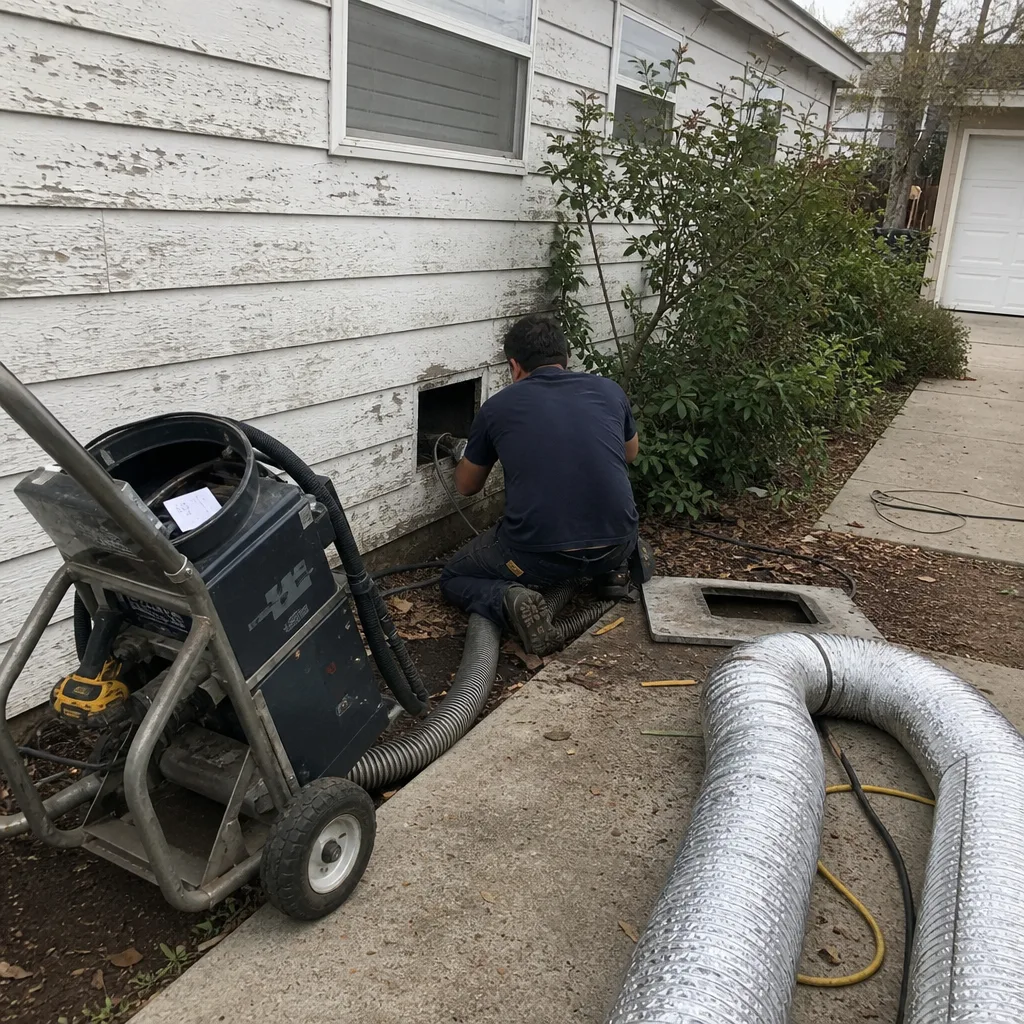 Before
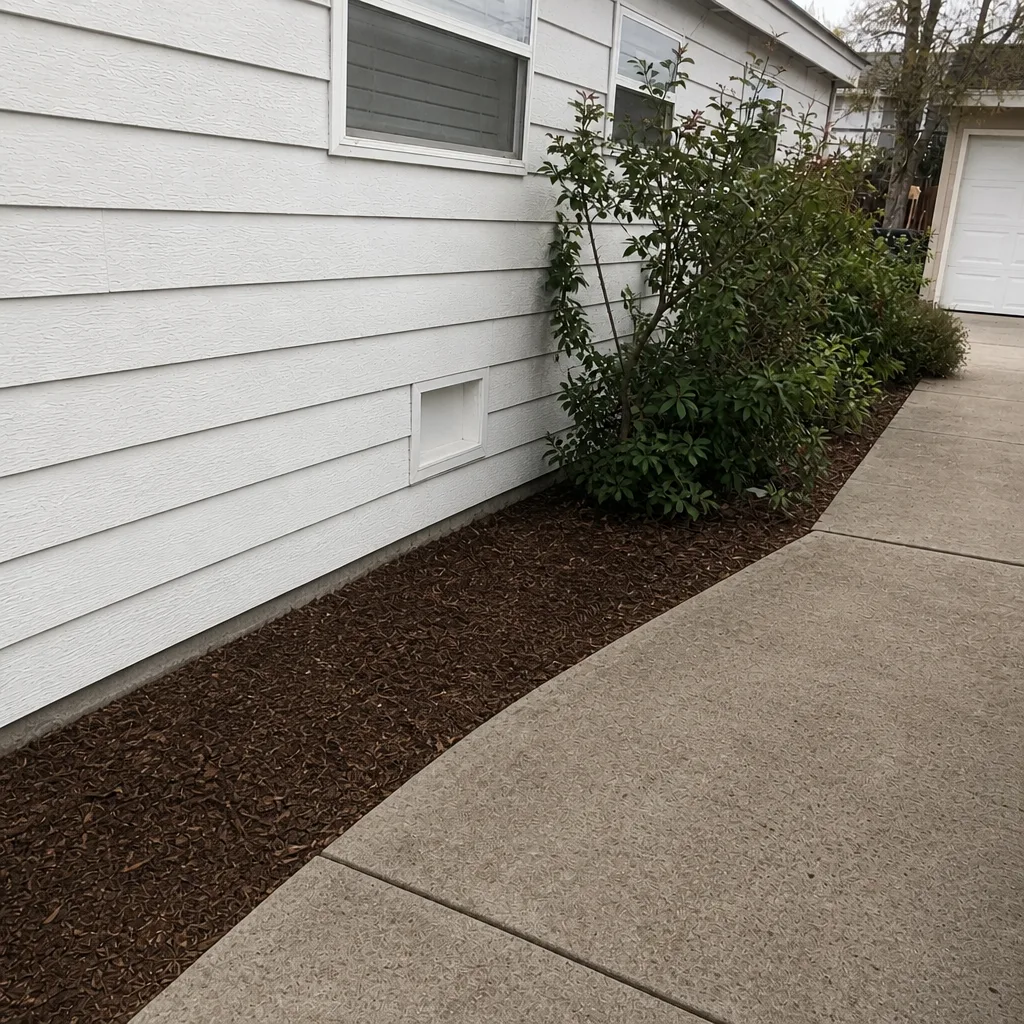 After
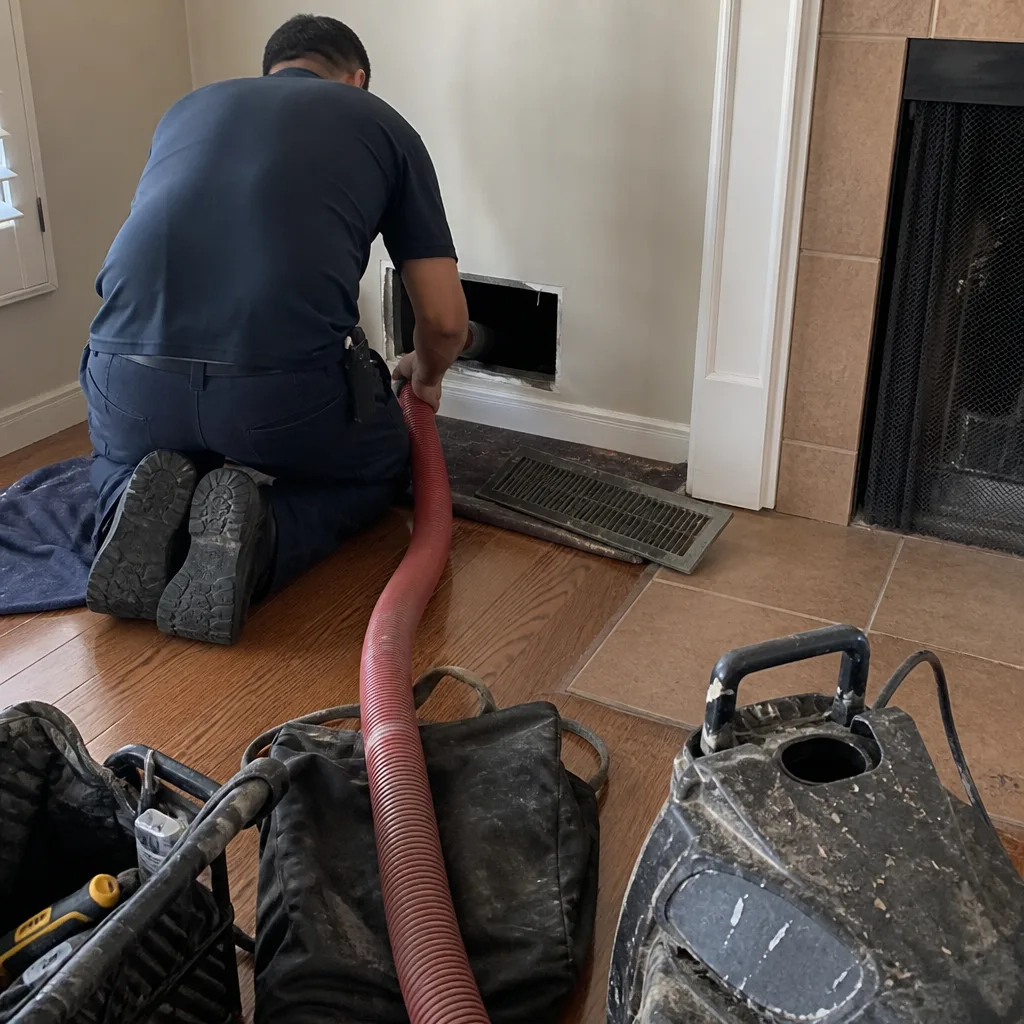 Before
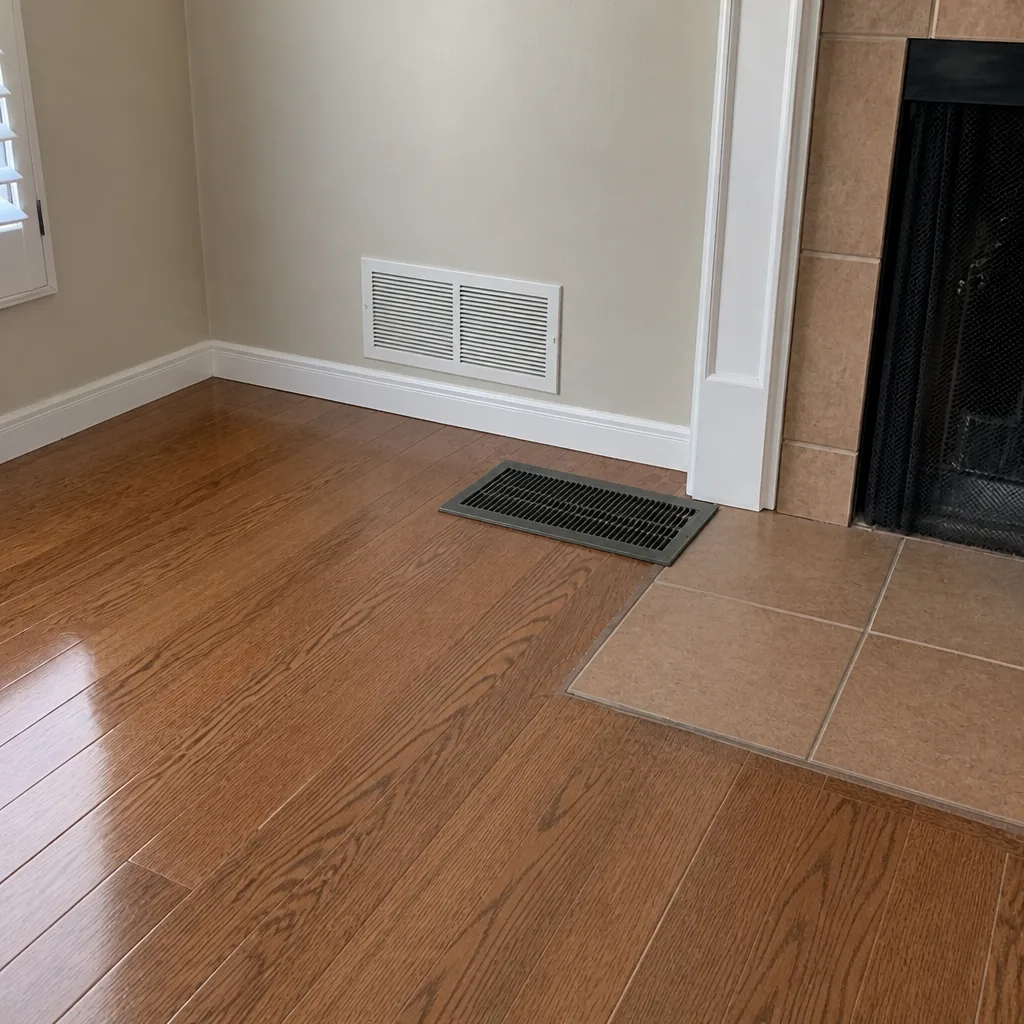 After
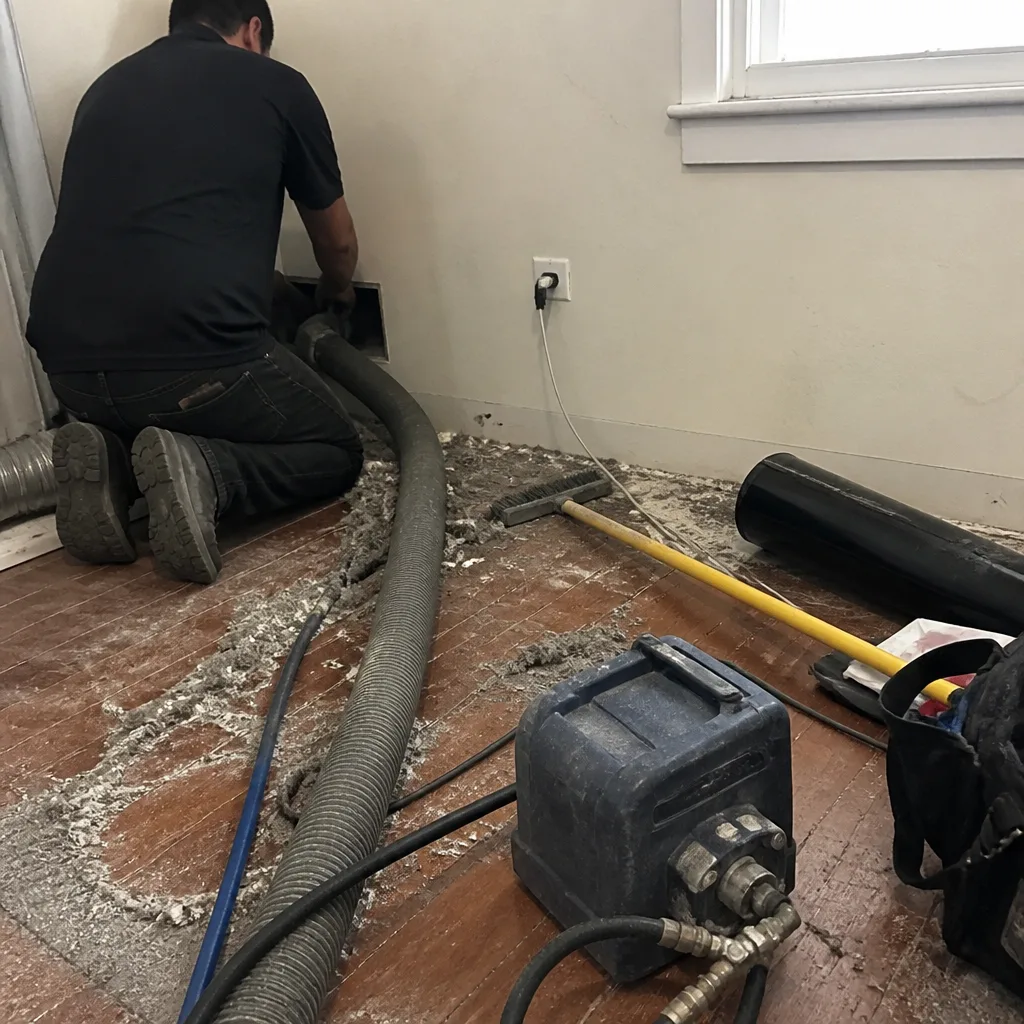 Before
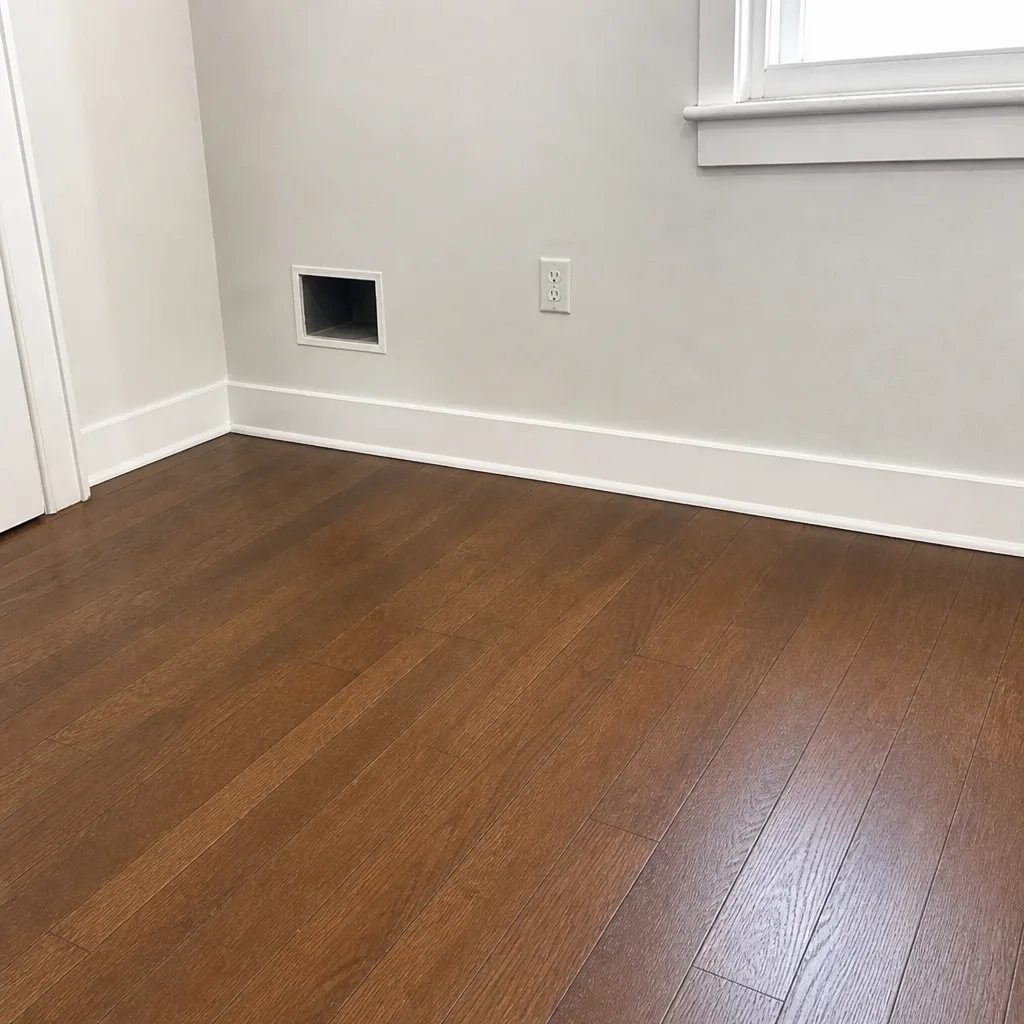 After
When to Call a Professional
Call a professional after any significant smoke event, after standing water in the crawlspace, or after a remodel that produced visible dust throughout the home. If inspection reveals dark residue at registers, an acrid smell that persists, musty odors, or water staining on ducts, you’re beyond the do-it-yourself threshold. A system with embedded smoke particulate requires rotary agitation and HEPA extraction to remove. A system with water-damaged flex duct requires replacement, not cleaning. Castro Valley homes with older duct systems are particularly vulnerable because liner materials from previous decades are more porous than modern products. Duct Cleaning Castro Valley offers free estimates in Castro Valley. Call (855) 382-9257. We answer 24/7. Fast dispatch from 7am to 7pm, Sunday through Friday.
Frequently Asked Questions
Wildfire smoke enters the duct system when your HVAC draws outdoor air through a fresh-air intake, or when smoke-laden indoor air is pulled through the return registers and into the system. The smoke particulate then deposits on duct surfaces, blower components, and the filter. Standard filters catch some of it and pass the rest.
It depends on your filter and your system’s ability to handle a higher MERV rating. If you have a standard MERV-8 filter and cannot upgrade, the better choice is to shut the system down and use portable HEPA units. If you can run a MERV-13 filter temporarily, run the fan on low to keep air moving through the filter media.
The cost depends on the size of the system, the level of contamination, and whether repair is needed. Every job is priced by written estimate after we inspect the system. Estimates are free, so call (855) 382-9257 and we’ll look at the system and give you an exact quote before any work begins.
You’ll see before-and-after photos of the duct interiors, including the areas you flagged during the inspection. Our process uses Rotobrush rotary contact to dislodge embedded particulate and Nikro HEPA extraction to capture it. We show you what the ducts looked like before we started and what they look like when we finish.
Wait until outdoor air quality has returned to safe levels for a sustained period. Cleaning the ducts while outdoor air is still smoky means the system will immediately re-contaminate as soon as it operates. Once AQI drops below 100, schedule the service. Call (855) 382-9257 for scheduling.
Not always, but frequently enough that it warrants inspection. If the standing water was brief and the duct system is fully sealed, the damage may be limited to elevated humidity that airs out. If water entered the ducts or sat against them for more than 48 hours, the liner material is at risk of mold colonization and needs assessment.
Yes. Smoke particulate bonds with the lint already present in the vent run and increases its flammability. The same logic applies to construction dust. If your dryer vent hasn’t been cleaned in over a year and you’ve been through a heavy smoke event, have it cleaned as part of the response.
The Bottom Line
Emergency preparedness for your duct system in Castro Valley comes down to three decisions: when to shut down the HVAC, what to inspect after the event, and when to call for professional cleaning or repair. Smoke, construction dust, and water all create different contamination profiles and require different responses. A smoke event demands inspection and likely cleaning. Construction dust demands filter vigilance and a post-project cleaning. Water intrusion demands crawlspace drying and possibly duct replacement. What all three have in common is that the longer you wait, the more deeply the contamination settles and the more expensive the resolution becomes. The equipment exists to handle all of it. Rotobrush agitation, Nikro HEPA extraction, and Abatement Technologies containment work together to remove what’s in the system without spreading it through the home. Your whole duct system, handled.
Written by the team at Duct Cleaning Castro Valley, serving Castro Valley since 2012.