
Last updated November 4, 2026
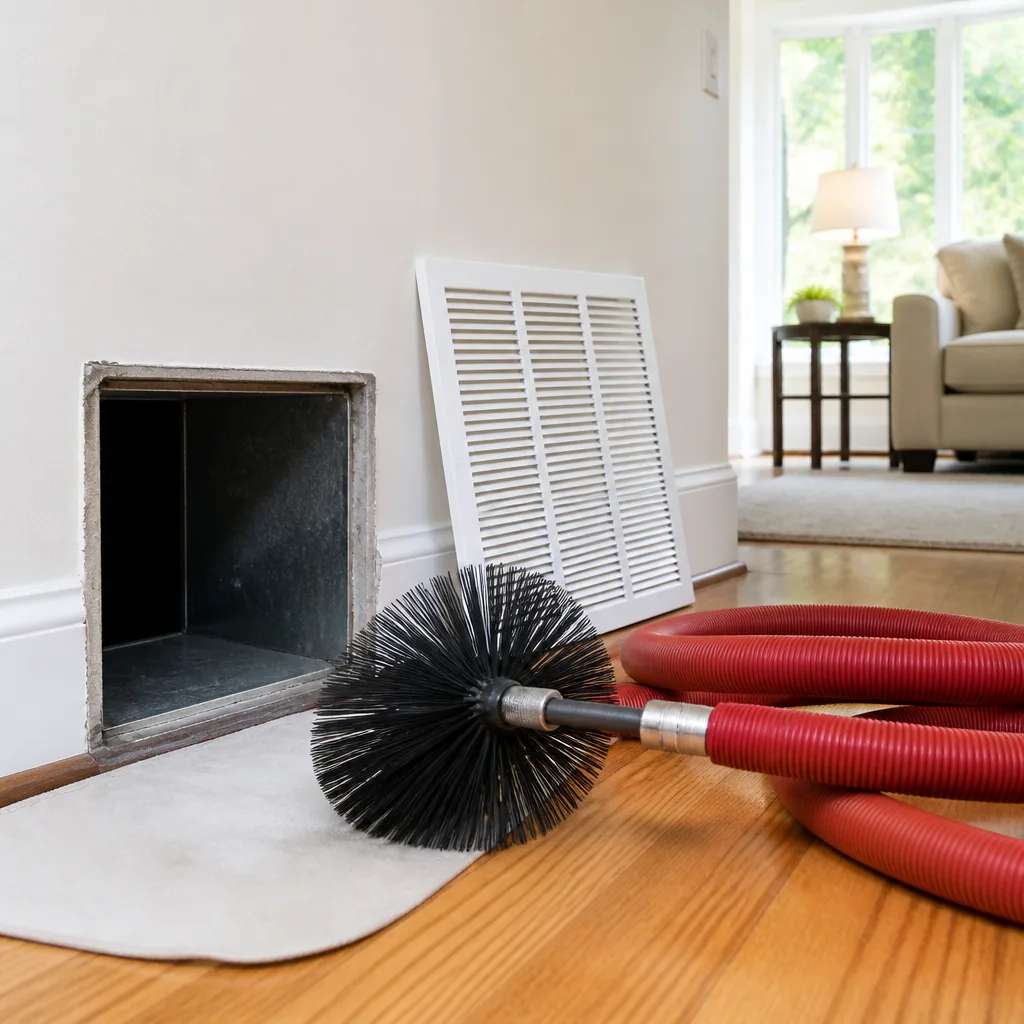 Whole-home duct cleaning
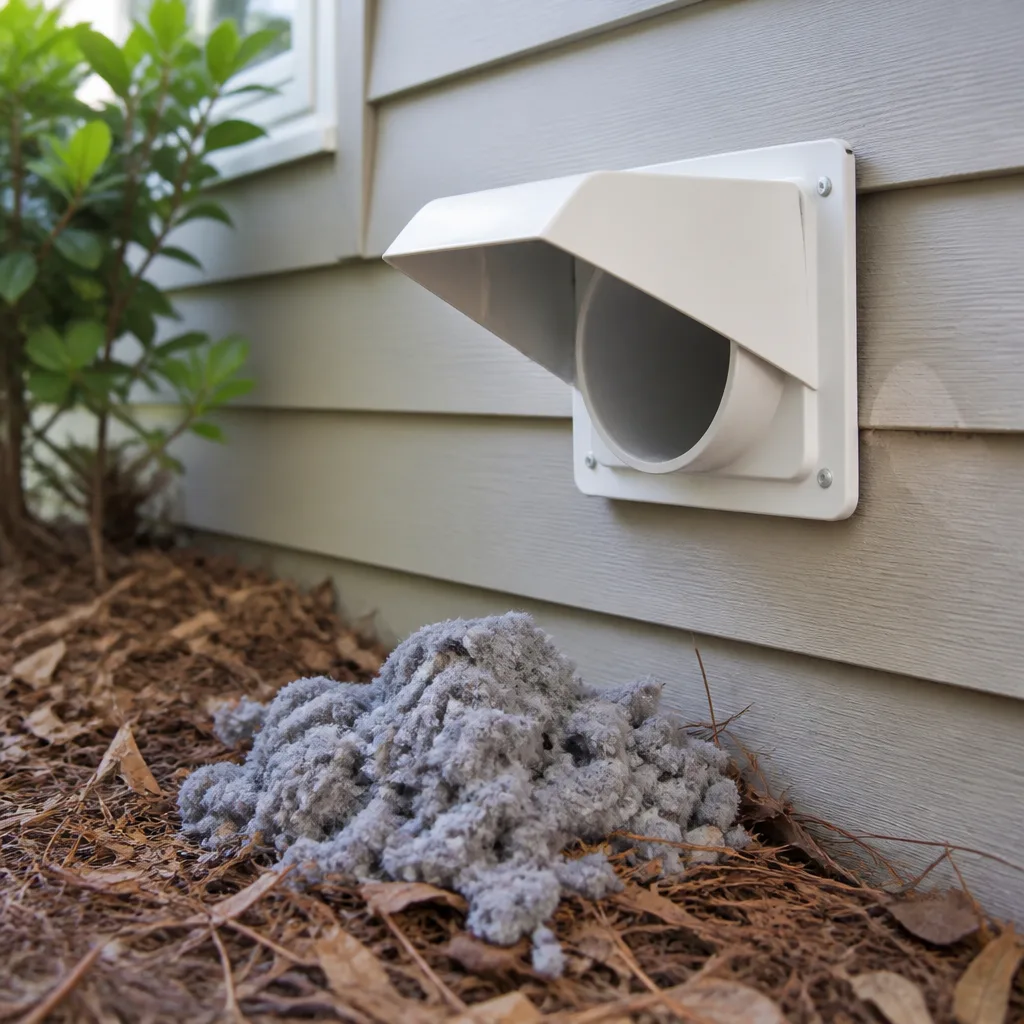 Dryer vent cleaning
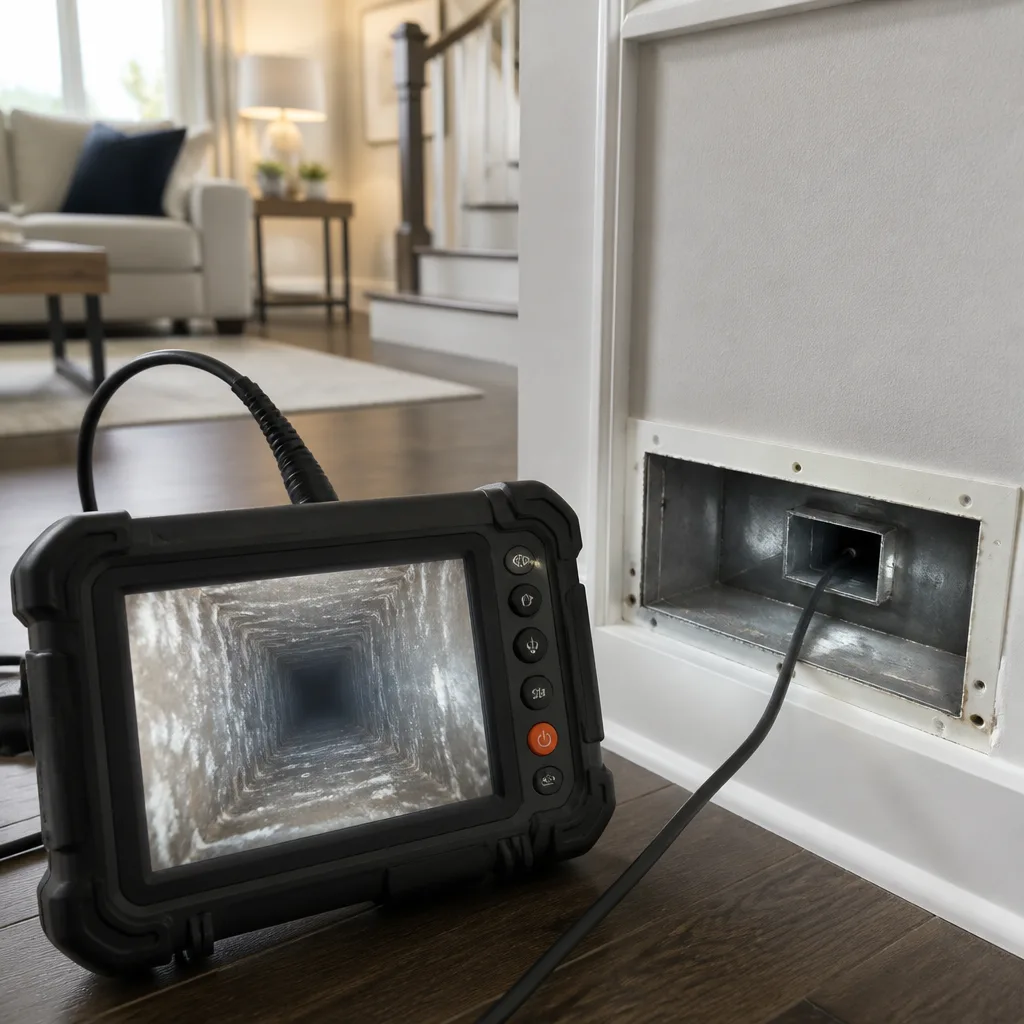 Camera inspection
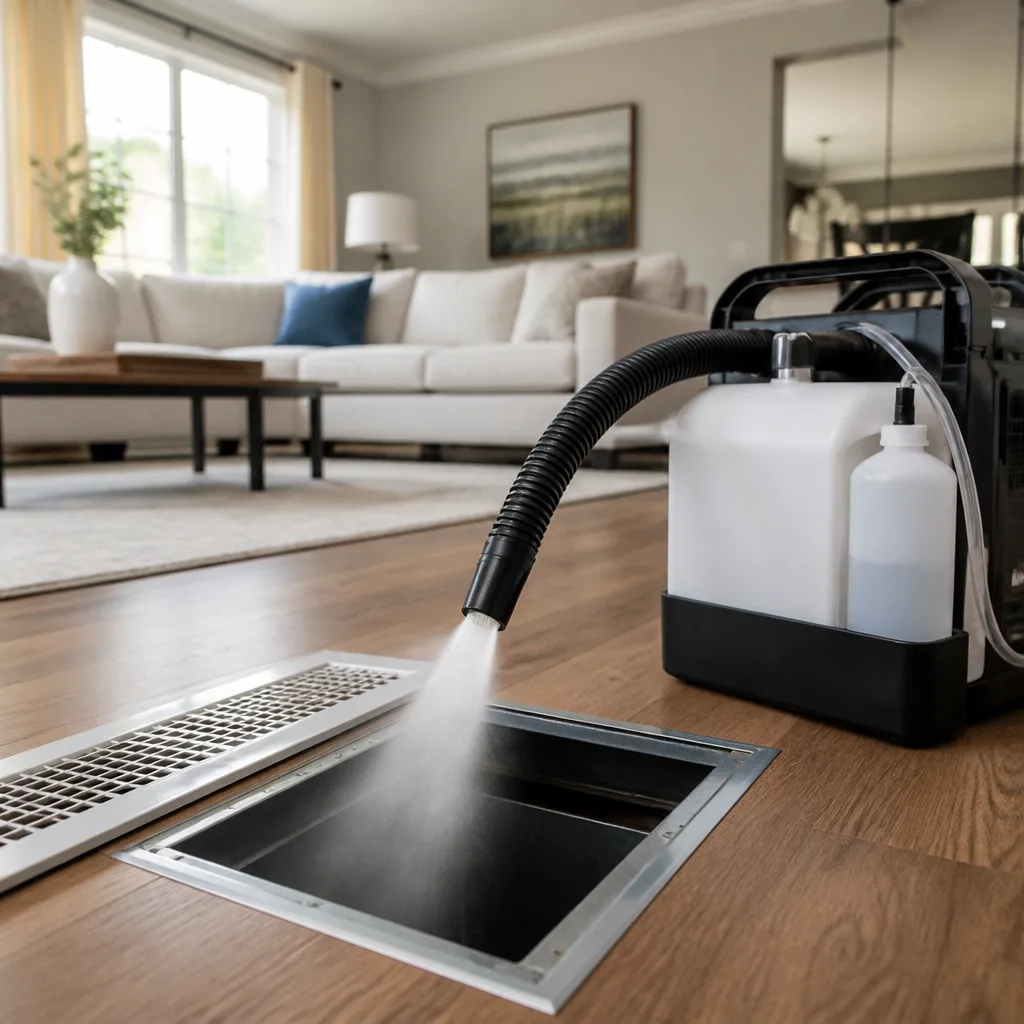 Sanitizing & deodorizing
Whole-system duct and dryer vent check with before-and-after photos - you see exactly what came out of your vents
That "$99 whole-house special" is a bait ad - the real number appears once they are in your hallway, or the "clean" is a shop-vac at the register. We photograph the inside of your ducts before and after instead.
Choosing the Right Air Duct Cleaning Brand: A Buyer’s Guide for Castro Valley
Most homeowners assume the most important question about an air duct cleaning company is whether they’re certified. Certification matters, but it mostly proves a company paid dues and attended seminars. The real difference between a mediocre cleaning and a thorough one is sitting in the truck. NADCA membership tells you a company paid association dues. The brand of extraction unit they pull off the truck tells you whether they can actually clean your ducts. This guide explains the specific equipment that separates professional-grade cleaning from residential workarounds, so you can ask the right questions before anyone steps foot in your Castro Valley home.
Styles & brands we work with
- Whole-home duct cleaning
- Dryer vent cleaning
- Camera inspection
- Sanitizing & deodorizing
Quick Answer
Choosing the right air duct cleaning brand in Castro Valley means evaluating the equipment a contractor uses, not just their company name or certification logos. Look for a company that runs a rotary agitation system like Rotobrush paired with HEPA-rated extraction such as Nikro and negative-pressure containment from Abatement Technologies. A full-service contractor who also handles duct repair and dryer vent cleaning with that same equipment stack gives you the most thorough result and one point of accountability.
Table of Contents
- Why Equipment Brands Matter More Than Company Certifications
- The Three Tools That Do the Actual Work
- HEPA-Rated Extraction vs. HEPA-Filtered Vacuums: The Distinction That Matters
- What Negative Pressure Means and Why It Protects Your Home
- Questions to Ask Before You Book
- Why One Full-Service Contractor Beats Three Separate Vendors
- What Air Duct Cleaning Costs in Castro Valley
- Common Mistakes to Avoid
- When to Call a Professional
- Frequently Asked Questions
- The Bottom Line
Why Equipment Brands Matter More Than Company Certifications
Here’s the thing about the duct cleaning industry: the barrier to entry is a shop vac, a brush, and a magnetic sign for the side of a van. A company can present a polished image, hold a membership in a trade association, and still be running equipment that wouldn’t outperform a determined homeowner with a weekend and a rental from the hardware store. The equipment brand is the tell. When a contractor names the specific tools they use and explains why, you’re talking to someone who invested in professional-grade capability. When they say “we use professional equipment,” they’ve told you nothing useful.
In Castro Valley, homes range from 1950s ranchers with original duct runs to newer builds with more complex layouts. Older ductwork often has years of accumulated debris packed into corners and seams. A rotary brush system from a brand like Rotobrush physically contacts the duct walls and agitates that material loose. A shop vac attached to a hose cannot do that. It might remove some loose dust near the registers, but it leaves the adhered particulate right where it was. The equipment stack is the difference between cleaning the air pathway and waving at it.
Certification bodies like NADCA set standards for the industry, and that’s worthwhile. But a standard is a floor, not a ceiling. Two companies can both clear that floor while delivering wildly different results. The brand of extraction unit, the type of agitation, and whether the crew runs containment all speak to what actually happens inside your ducts. Ask about equipment before you ask about anything else.
The Three Tools That Do the Actual Work
A professional air duct cleaning in Castro Valley should involve three distinct pieces of equipment, each with a specific job. When one is missing, the process has a gap. Here’s what each one does and why no single tool replaces the others.
Rotobrush: Rotary Agitation That Dislodges Debris
Rotary brush systems, with Rotobrush being the most recognized name in the category, use a spinning brush head that travels through the duct. The bristles make physical contact with the interior walls, dislodging dust, pet dander, and debris that has adhered to the metal or flex duct over years of airflow. This is mechanical agitation, and it’s the only way to break loose the particulate that isn’t going to move with suction alone. The brush also agitates debris into the airstream where the vacuum can capture it. Without this step, a cleaning is really just a surface wipe of the most accessible sections.
Nikro: HEPA-Rated Extraction That Captures the Particulate
Once the Rotobrush has loosened everything, the debris has to go somewhere. It should go into a HEPA-rated extraction unit. Nikro is a brand that builds negative air machines and HEPA vacuums for professional remediation and duct cleaning. HEPA-rated extraction means the machine captures particles down to 0.3 microns at 99.97% efficiency. That’s the standard that matters for allergy sufferers, pet owners, and anyone who doesn’t want the dust redistributed through the living space. The extraction unit is the capture side of the equation. Agitation without capture is just stirring the pot.
Abatement Technologies: Negative-Pressure Containment
The third piece is containment. Abatement Technologies builds negative air machines and HEPA-filtered containment units used in professional duct cleaning and remediation. During the cleaning, the extraction unit creates negative pressure inside the duct system. Think of it as a controlled vacuum environment: air flows into the ducts from the living space, not out of the ducts and back into the home. This prevents loosened dust from escaping through registers or gaps and settling on furniture, floors, and countertops. Containment is a protective measure. It’s the difference between cleaning the ducts and cleaning the ducts while the rest of the house stays clean.
No single tool does all three jobs. A brush without extraction spreads debris. Extraction without agitation leaves adhered material behind. And neither one protects the living space without negative pressure. The stack works together.
HEPA-Rated Extraction vs. HEPA-Filtered Vacuums: The Distinction That Matters
This is a technical distinction that most contractors glide right past, and it’s worth slowing down for because it sits at the heart of whether a cleaning actually captures sub-micron particulate. A HEPA-rated extraction unit is a machine designed and built as a complete system to meet HEPA performance standards. The entire unit, including seals, airflow design, and filter housing, is engineered so that air leaving the machine has passed through genuine HEPA filtration. It captures particles at 0.3 microns with 99.97% efficiency.
A HEPA-filtered vacuum is a different thing. Many consumer shop vacs accept a HEPA filter cartridge, but the machine itself leaks air around gaskets, connections, and seams. The filter might be HEPA, but the vacuum isn’t. Dust that bypasses the filter through a loose gasket goes right back into the room. That’s the difference. One is a designed system; the other is a filter dropped into a housing that wasn’t built to hold it. When you ask a contractor about their equipment and they say “HEPA,” that’s not enough information. The follow-up question is whether the extraction unit itself is HEPA-rated as a system. In professional cleaning, that’s what Nikro and similar brands build.
What Negative Pressure Means and Why It Protects Your Home
Negative pressure sounds technical, but the operational reality is straightforward. During a duct cleaning, the extraction unit pulls air out of the duct system at a higher rate than it enters. That creates a pressure imbalance: the ducts are at lower pressure than the surrounding rooms. Air wants to flow from higher pressure to lower pressure. So air from the living space flows into the ducts through registers and any small gaps. It does not flow out of the ducts into the house.
That matters because the cleaning process is actively dislodging dust, debris, and whatever else has accumulated in the ductwork over the years. If a crew runs agitation without proper containment, that loosened material can escape through registers, settle on surfaces, and hang in the air. The cleaning creates a mess that lands on the homeowner. Abatement Technologies and similar brands build the negative air machines used for this purpose. The machine maintains that inward airflow throughout the job, keeping loosened particulate inside the ducts where it belongs, moving toward the HEPA capture filter. For anyone in Castro Valley who has renovated, had construction work done, or simply dealt with dusty East Bay air, the containment aspect is what keeps the cleaning from becoming a redistribution project.
Questions to Ask Before You Book
Before you schedule an air duct cleaning in Castro Valley, there are specific questions that separate a professional setup from a van with a vacuum. Here’s what to ask, in order, and what the answers tell you.
- What brand of agitation equipment do you use? If they name a rotary brush system like Rotobrush, they’re using contact cleaning. If they describe “brushes and suction,” ask for the specific model or brand. Vague answers here are a red flag.
- Is your extraction unit HEPA-rated as a complete system? Listen for the distinction. If they say “HEPA filter,” ask whether the machine itself is rated. A HEPA filter in a shop vac is not the same thing.
- Do you run negative-pressure containment during cleaning? If they don’t use containment equipment like Abatement Technologies units, loosened dust can escape into the living space. This is a yes-or-no question.
- Do you repair ductwork you find damaged during cleaning? This is where full-service scope shows itself. A cleaning-only company will stop at the damage and hand you a referral. A company that does Duct Cleaning Castro Valley work and repairs ductwork can fix the problem the same day.
- Do you clean dryer vents as a separate service? Many duct cleaners ignore the dryer vent entirely. A company that lists a dedicated dryer vent cleaning service treats the whole ventilation system, not just the supply and return ducts.
- What’s included in the written estimate? Every price should be set per job based on a written estimate. If a quote feels like a teaser rate, it probably is.
When a contractor can answer these questions specifically, naming brands and explaining process, you’re talking to someone who invested in the work. When the answers dissolve into generalities, the equipment stack probably isn’t there.
Why One Full-Service Contractor Beats Three Separate Vendors
There’s a common pattern in home services: one company cleans the ducts, another handles repairs when the cleaning reveals damage, and a third gets called for the dryer vent. Three appointments, three invoices, three sets of diagnostic notes that don’t share information. That fragmentation costs the homeowner both money and diagnostic continuity.
When one contractor handles cleaning, repair, and dryer vent work with a consistent equipment stack, the whole job fits together. During a cleaning, if the technician finds a disconnected duct run, a crushed section, or a leak at a seam, the same crew can repair it on the spot. The system isn’t just cleaned; it’s left functional. If the dryer vent is clogged with lint, that’s addressed in the same visit rather than requiring a separate booking. The diagnostic information carries across all three services: one team knows the full layout of the duct system, the condition of each section, and the specific problem areas. That continuity is valuable in a Castro Valley home where the ductwork might be decades old and hasn’t been assessed in years.
A single provider also means accountability is clean. If something isn’t right after the work, there’s one phone number, one record of the job, and one party responsible for the result. Three vendors can point fingers at each other. One provider owns the outcome.
What Air Duct Cleaning Costs in Castro Valley
Pricing for air duct cleaning in the East Bay varies by home size, system complexity, and the scope of work, but you can expect the job to be priced per system based on a written estimate. A typical single-family home in Castro Valley generally falls somewhere between $400 and $900 for a complete cleaning of the supply and return ducts, depending on access, the number of registers, and the level of buildup present. Homes with extensive duct runs, multiple zones, or heavily soiled systems can run higher. The written estimate sets the final price before work begins.
What that range includes matters more than the numbers themselves. Here’s the line-by-line structure to expect from a professional provider:
- System inspection and pressure assessment: typically included in the estimate process. The technician evaluates duct condition, access points, and the level of contamination.
- Rotary agitation and contact cleaning: the core of the service. This is where Rotobrush or similar rotary brush equipment does the actual work of dislodging adhered debris.
- HEPA extraction and containment: the capture and protection side. Nikro HEPA-rated extraction paired with negative-pressure containment keeps loosened particulate moving into the filter, not into your living room.
- Register and grille cleaning: the visible components get cleaned as part of the system service.
- Duct repair, if needed: damage found during cleaning is quoted separately if repair work is required. A full-service contractor can do this in the same visit.
- Dryer vent cleaning: often booked alongside duct cleaning as a separate line item. It addresses the lint blockage risk that duct cleaning alone doesn’t touch.
When comparing quotes in Castro Valley, ask what the price includes, not just what the number is. A $299 quote that doesn’t include HEPA extraction or containment isn’t a deal; it’s a partial service. The free estimate call is the time to get clarity. Call (855) 382-9257 for a written estimate that sets the price per job, with no surprises after the work starts.
Common Mistakes to Avoid
- Hiring based on a teaser price. A low number to get a foot in the door is the classic pattern in this industry. The invoice swells once the van is in the driveway. Ask for a written estimate that covers the full system before work begins.
- Accepting “we use professional equipment” as an answer. That phrase means nothing. Professional means professional-grade, which means you can name the brands. If a contractor can’t tell you what extraction unit they run, they’re running something they don’t want to describe.
- Treating certification as a proxy for capability. Association memberships are baseline credentials. They don’t tell you whether the crew runs rotary agitation or containment. Equipment does.
- Skipping the dryer vent. The dryer vent is the most dangerous part of many ventilation systems. Lint accumulation is a leading cause of residential dryer fires. A duct cleaning that ignores the vent cleans half the air pathway and misses the fire risk entirely.
- Hiring separate vendors for connected problems. If the duct cleaning reveals a damaged section, you want that fixed by the same provider, in the same visit, not handed off to a third party. Fragmented service means fragmented accountability.
- Not confirming HEPA-rated extraction as a system. A HEPA filter in a shop vac doesn’t make it a HEPA unit. Verify that the extraction machine itself is rated, or you’re paying for capture that isn’t happening at the sub-micron level.
- Choosing a Castro Valley provider without local context. Homes here run the range from mid-century builds to newer construction, and the ductwork differs accordingly. A company that knows the housing stock can plan the job properly.
When to Call a Professional
Some situations make professional attention urgent rather than optional. If you’ve just bought a home in Castro Valley and the ductwork is of unknown condition, a cleaning with a full inspection gives you a baseline. Renovation or construction work leaves fine dust throughout the system, and that requires equipment-grade extraction to remove. Pet owners with multiple animals often see rapid dander buildup. Anyone in the household with persistent allergy symptoms that worsen indoors may be reacting to what’s circulating in the ducts. And if your dryer takes longer than a typical cycle to dry clothes, the vent is the likely culprit and it’s a fire risk, not a convenience issue. Duct Cleaning Castro Valley offers free estimates in Castro Valley – call (855) 382-9257. We answer 24/7. Fast dispatch from 7am to 7pm, Sunday through Friday.
Frequently Asked Questions
Ask for before-and-after photos of your own ducts. A professional contractor with professional equipment should be able to document the condition before cleaning and the result afterward. If a company can’t show you what the inside of your ducts looked like and what they look like after, you don’t have evidence the work happened. The written estimate should also specify the scope, and the final service should match it. Call (855) 382-9257 to ask about process and documentation before you book.
The difference is usually equipment and containment. A cheap quote often covers a basic suction pass with a shop-vac style setup, no rotary agitation, no HEPA-rated extraction unit, and no negative-pressure containment. A professional quote covers contact cleaning with a rotary brush system, HEPA capture, and containment to keep dust from redistributing through the home. When comparing quotes in Castro Valley, ask each provider to name their equipment brands. That will tell you why the prices differ.
Most homes in Castro Valley benefit from a professional cleaning every three to five years, though that stretches or shrinks depending on circumstances. Homes with pets, recent renovation work, or allergy sufferers in the household may need attention more often. The best signal is a visual inspection: if registers show visible dust accumulation or you can see debris inside the duct openings, it’s time. The dryer vent, by comparison, often needs cleaning more frequently, especially with heavy laundry use.
Not all of them can. A cleaning-only company will stop at the damage and either ignore it or hand you a referral to someone else. A full-service contractor with repair capability can fix disconnected runs, crushed sections, and leaking seams in the same visit. When you’re evaluating providers in Castro Valley, ask directly whether repair work is on their service menu before you book. The answer tells you whether the cleaning will leave your system functional or just cleaner.
The cost difference usually comes down to equipment and process. A company running a professional equipment stack, rotary agitation with Rotobrush, Nikro HEPA extraction, Abatement Technologies containment, has overhead and operating costs that a shop vac operation doesn’t carry. The lower quote is almost always cutting something: the agitation step, the HEPA capture, the containment, or repair capability. The estimate should specify what’s included and what isn’t. Call (855) 382-9257 for a written, per-job estimate that covers the full scope.
Mild weather doesn’t eliminate duct buildup. Dust, pet dander, skin cells, and debris from daily living accumulate in ductwork regardless of outdoor temperature. Castro Valley’s dry summer months can add fine particulate from open windows and outside air. The duct system doesn’t know the climate; it accumulates whatever passes through it. What the mild climate does mean is that you don’t have the freeze-thaw issues some regions deal with, so the system’s structural condition is often stable. But the need for periodic cleaning is driven by occupancy, not weather.
The Bottom Line
The brand that matters in air duct cleaning is the equipment brand, not the logo on the side of the van. In Castro Valley, where homes range from mid-century ranches to newer builds, the right contractor runs a three-part stack: rotary agitation to dislodge adhered debris, HEPA-rated extraction to capture it at the sub-micron level, and negative-pressure containment to keep it from redistributing through the house. A full-service provider who can also handle duct repair and dryer vent cleaning closes the loop, giving you one accountable point of contact for the entire ventilation system. Ask for equipment brands by name. If the answers are vague, the equipment probably is too. Call (855) 382-9257. We answer 24/7. Fast dispatch from 7am to 7pm, Sunday through Friday.
Written by the team at Duct Cleaning Castro Valley, serving Castro Valley since 2012.
See the difference
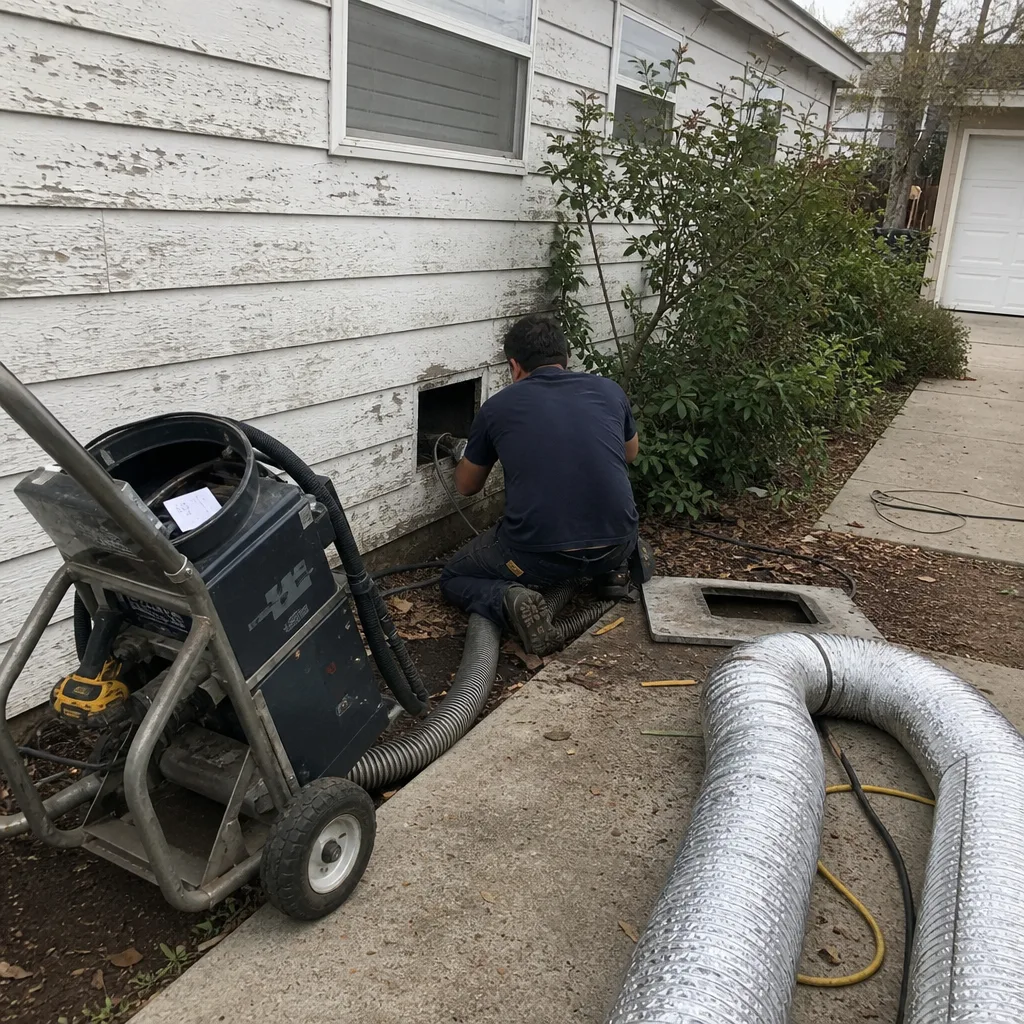 Before
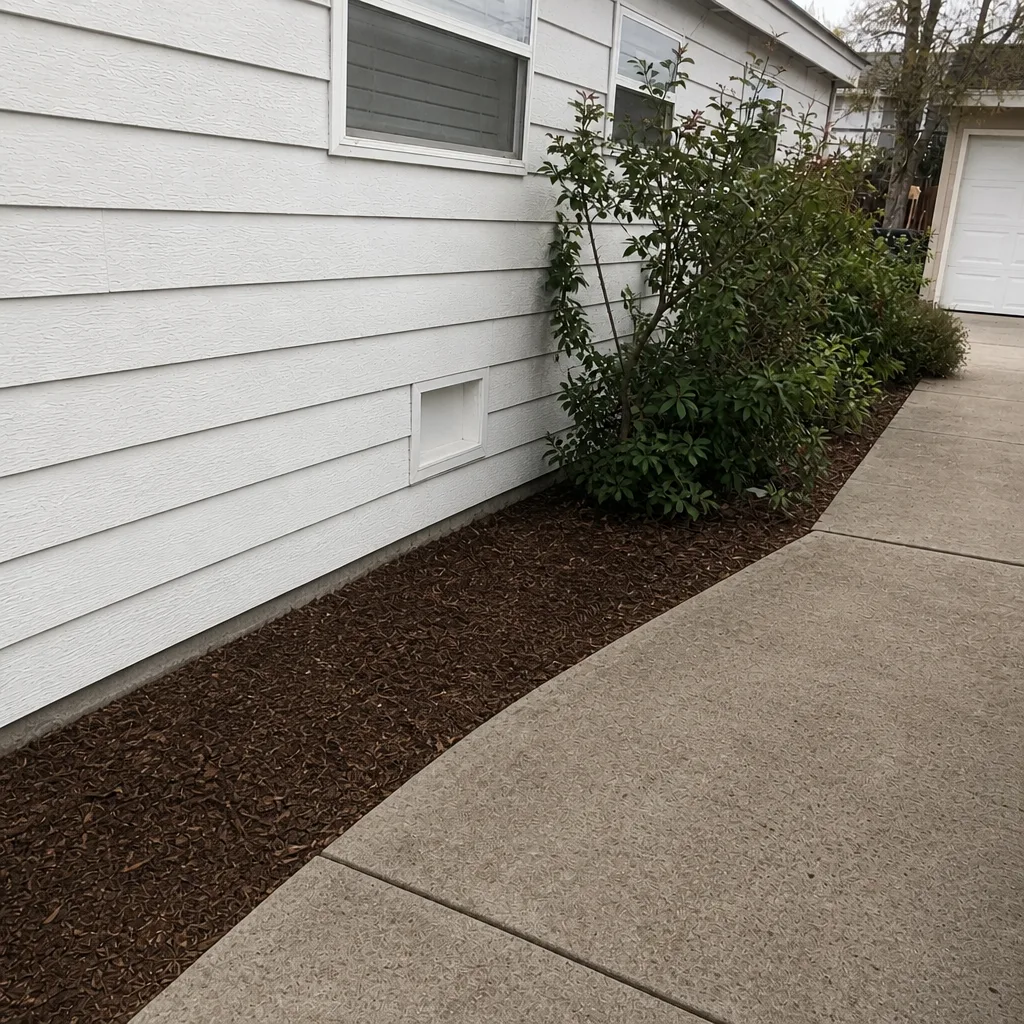 After
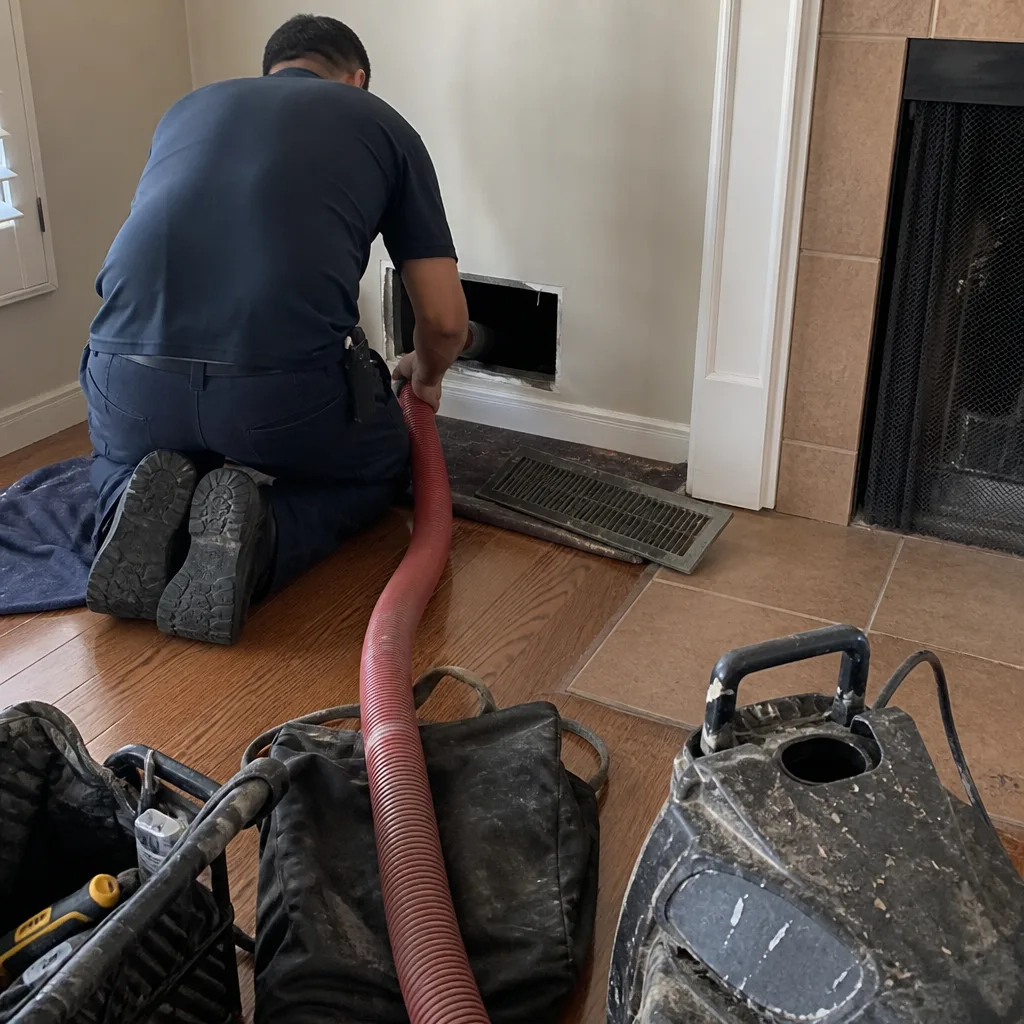 Before
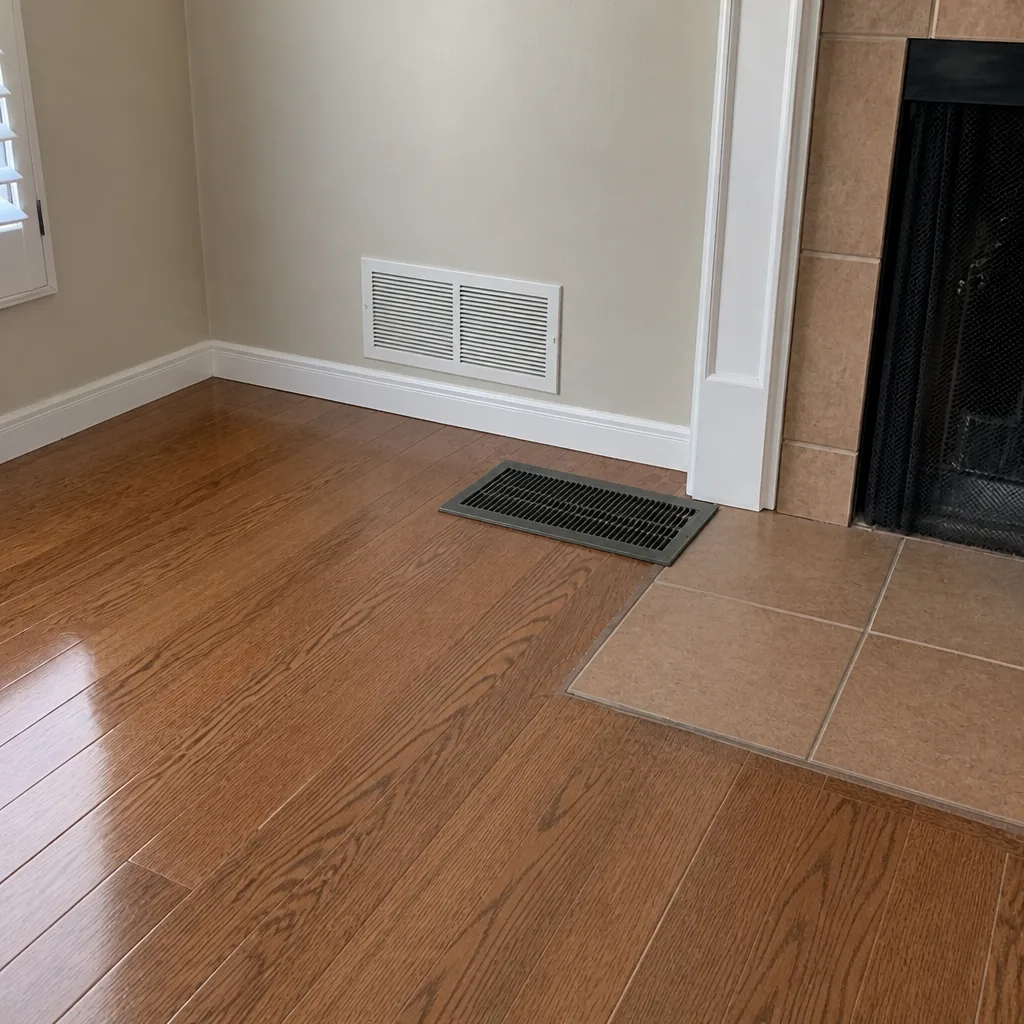 After
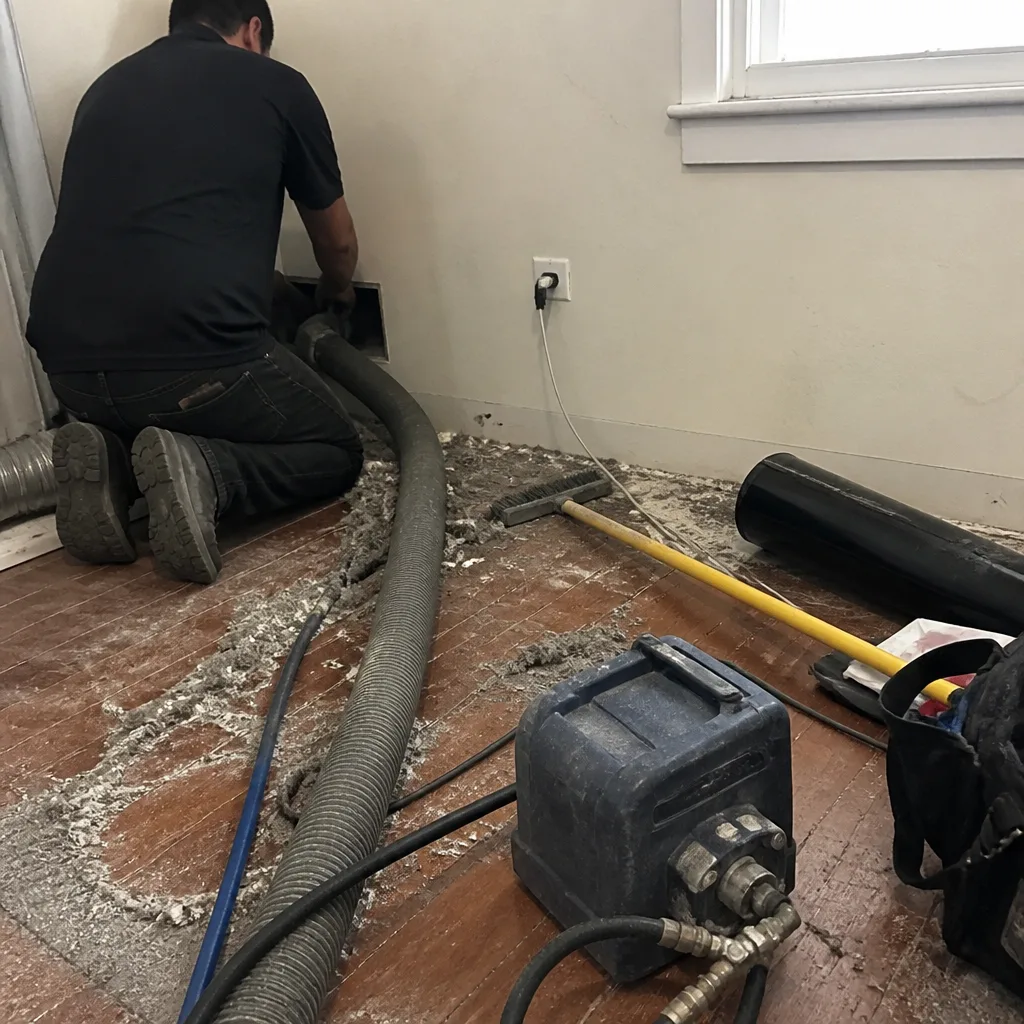 Before
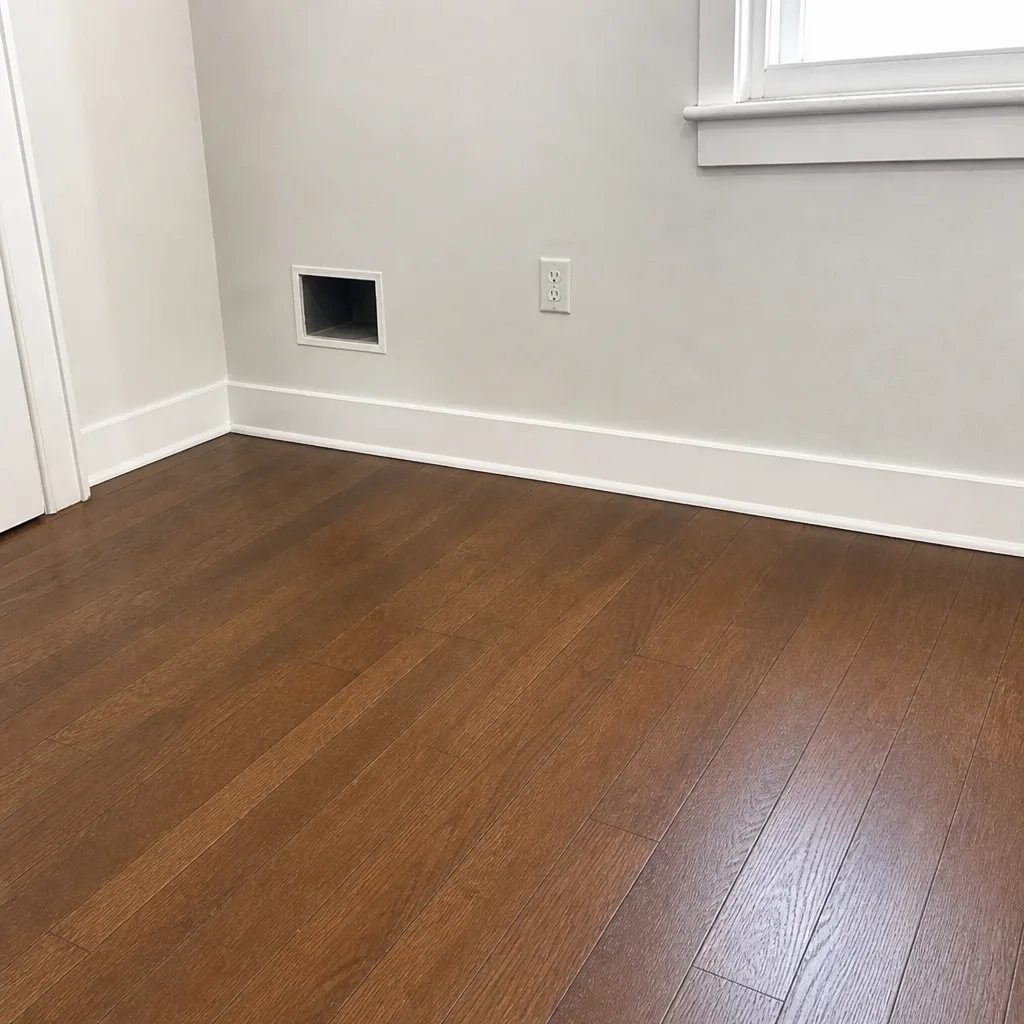 After