
Last updated November 4, 2026
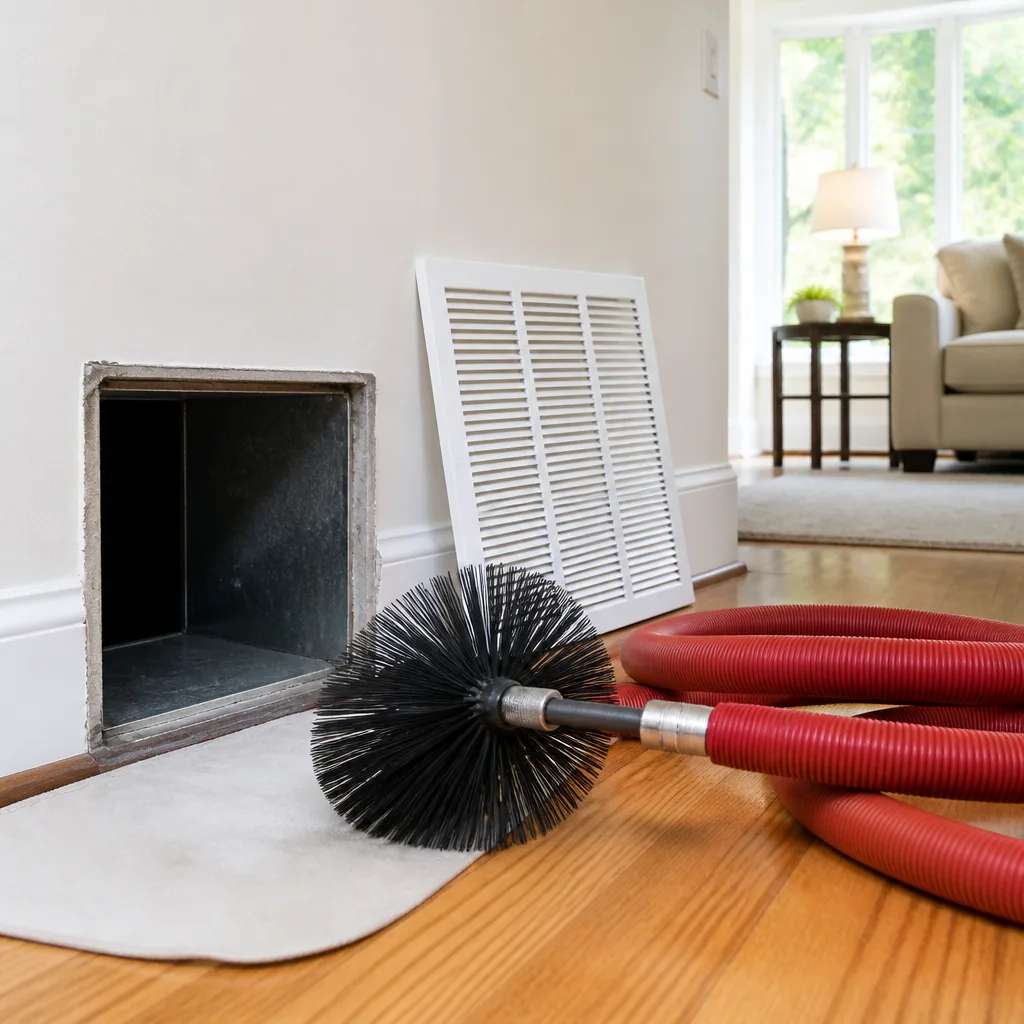 Whole-home duct cleaning
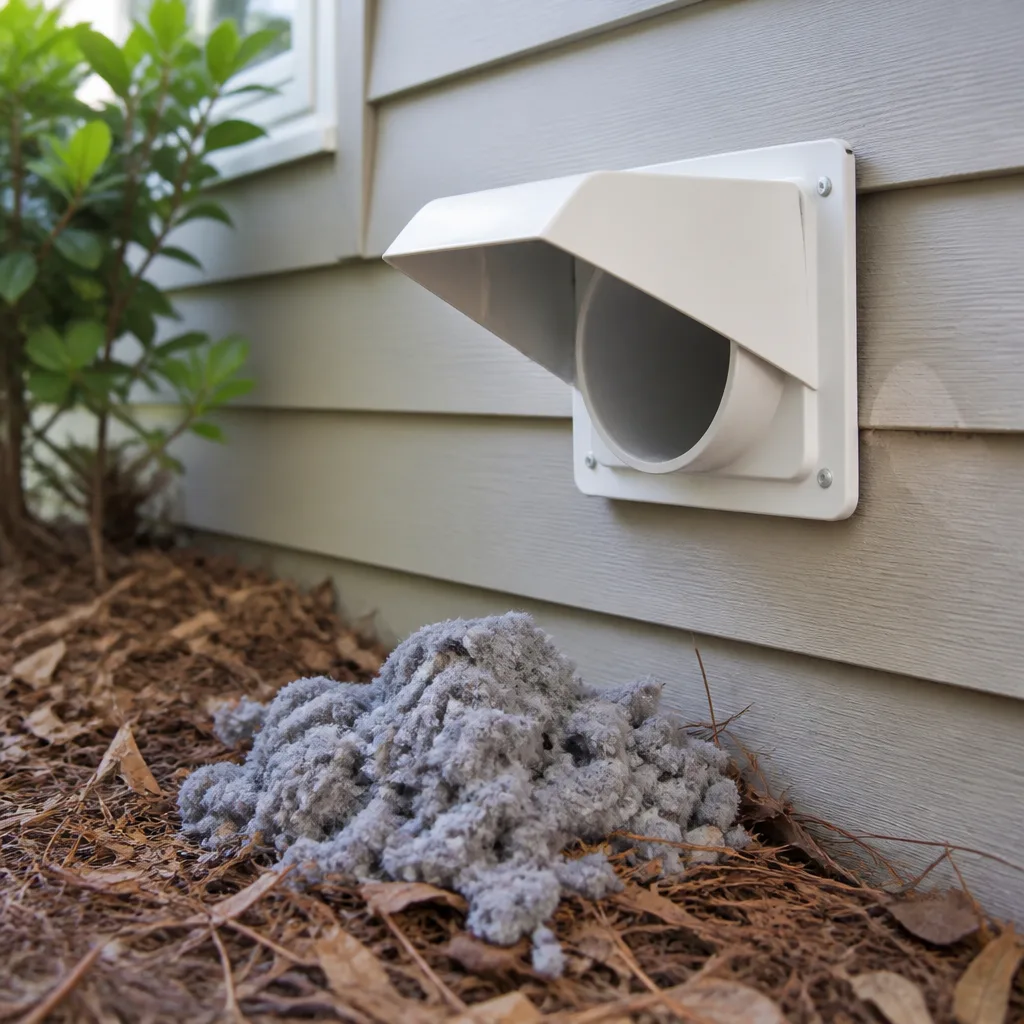 Dryer vent cleaning
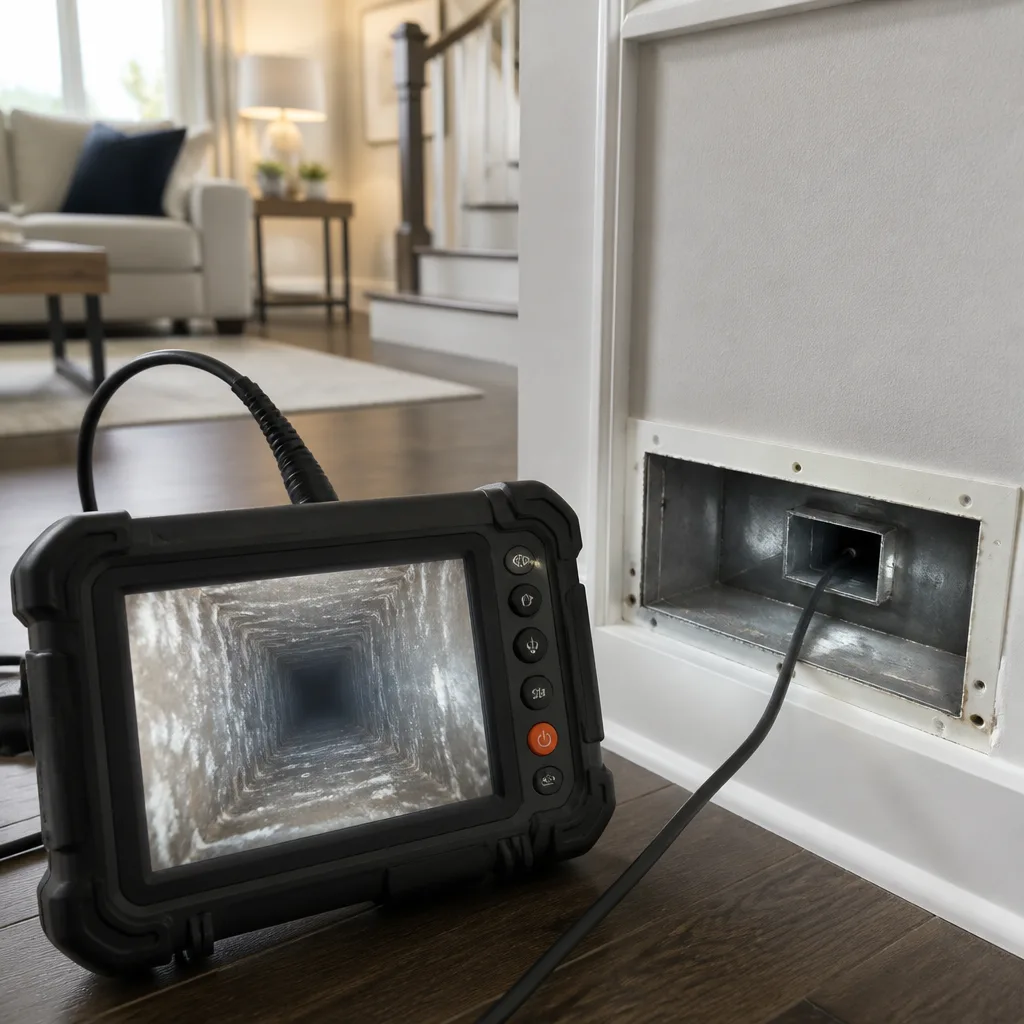 Camera inspection
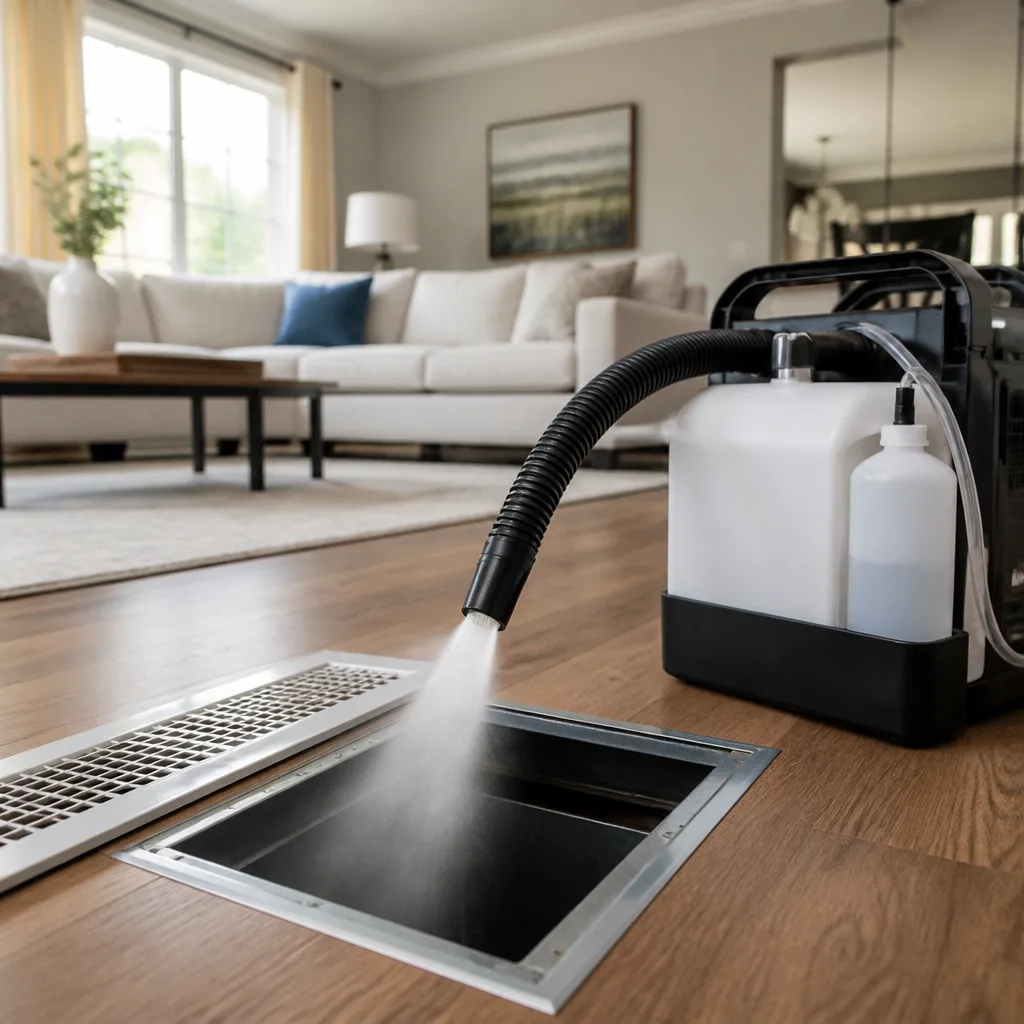 Sanitizing & deodorizing
Whole-system duct and dryer vent check with before-and-after photos - you see exactly what came out of your vents
That "$99 whole-house special" is a bait ad - the real number appears once they are in your hallway, or the "clean" is a shop-vac at the register. We photograph the inside of your ducts before and after instead.
The Complete Guide to Air Duct Cleaning in Castro Valley
Most Castro Valley homeowners don’t actually have dirty ducts. What they have is an incomplete cleaning job, done with equipment that couldn’t reach the debris in the first place. A shop vac generates roughly 100 to 150 CFM of suction. A Nikro HEPA extraction unit generates over 2,000 CFM. That gap explains why two companies can both call themselves duct cleaners and produce wildly different results. This guide explains what a full-system clean in Castro Valley actually involves, from mechanical agitation through HEPA extraction, so you can tell the difference before you book.
Quick Answer
Air duct cleaning in Castro Valley means removing accumulated dust, pet dander, and debris from your entire duct system, not just the visible register openings. A complete job pairs Rotobrush mechanical agitation with Nikro HEPA-rated extraction and Abatement Technologies negative-pressure containment so loosened particles are captured rather than recirculated through your living space. Expect an honest whole-system estimate, a walkthrough of what was found, and before-and-after verification, not a per-vent coupon price that grows once the van arrives.
Styles & brands we work with
- Whole-home duct cleaning
- Dryer vent cleaning
- Camera inspection
- Sanitizing & deodorizing
Table of Contents
- Why Suction Alone Fails: The Agitation Problem
- How Castro Valley’s Climate Affects Your Ducts
- What HEPA-Rated Extraction Actually Means
- Full-System Scope: Plenums, Returns, and Supply Runs
- Step-by-Step: How a Complete Duct Cleaning Works
- How to Verify the Job Was Actually Done
- Dryer Vents and Duct Repair: The Overlooked Half
- Common Mistakes to Avoid
- When to Call a Professional
- Frequently Asked Questions
Why Suction Alone Fails: The Agitation Problem
The core misconception in this industry is that a strong vacuum is enough. It isn’t. Duct debris doesn’t sit loosely on the surface like dust on a shelf. Months or years of airflow press it against duct walls, especially at elbows, dampers, and transitions where the air changes direction. By the time a Castro Valley homeowner notices dust at the registers, much of what’s inside the ductwork is compacted against the metal.
Suction alone cannot dislodge compacted debris. A vacuum can only pull what’s already airborne or barely attached. That’s why professional-grade cleaning uses mechanical agitation first. The Rotobrush system, for example, uses rotary brushes that make physical contact with the duct walls, breaking that bond and loosening the accumulated layer. Only after agitation does extraction become effective. The sequence matters: agitate, then extract. Skip the first step and you’re paying for a partial job, no matter how powerful the vacuum looks in the brochure.
We’ve seen the difference this makes in Castro Valley homes. Duct runs in split-level houses and ranch-style homes here often have long horizontal stretches with multiple 90-degree turns. Those turns are exactly where debris packs in. A brush that physically rotates through those bends removes material that a vacuum wand, held at the register, never reaches. When a company only works register to register with suction, the middle of the run stays untouched. That’s not a cleaning. That’s a visual touch-up.
For anyone comparing quotes, ask one question: what do you use to agitate the duct walls before extraction? If the answer is a vacuum only, the scope is incomplete before it starts. A proper air duct cleaning names its agitation method because agitation is the actual work. Extraction just collects what agitation frees.
How Castro Valley’s Climate Affects Your Ducts
Castro Valley sits in a dry-summer climate with mild, marine-influenced winters. That creates a specific particulate pattern inside residential ductwork. Summers are dry and dusty. The hills around Castro Valley, from Palomares Hills to the neighborhoods near Lake Chabot, contribute fine airborne dust during the warm months. That dust is small enough to pass through standard return filters and settle inside duct runs.
Winters are mild and damp, not freezing. The moisture doesn’t flash-freeze anything, but it does change how dust behaves. Slightly elevated indoor humidity during the rainy season can make duct-wall dust slightly tacky. Then the heating system cycles on and bakes that layer into something closer to a film than loose powder. This is the pattern we see repeatedly after Castro Valley winters: a fine, slightly adhered layer on the duct walls that won’t come off with airflow alone. It needs mechanical agitation.
This climate pattern also affects timing. Late spring and early summer, before the dry season really sets in, is when many homeowners schedule cleaning. The heating season just ended, the dust is looser after being heated and dried, and the system is about to sit under less daily load. That said, there’s no wrong season. The build-up happens year-round; the climate just changes its texture.
For households with allergy concerns, Castro Valley’s dry-season dust is particularly relevant. Fine particulate from surrounding open space and residential landscaping enters the return side, circulates through the system, and recirculates through the supply registers. A full-system clean that addresses the entire Duct Cleaning Castro Valley service area needs, including both supply and return plenums, removes that reservoir rather than pushing it around. The filter catches new incoming particles; the ducts shouldn’t store the old ones.
What HEPA-Rated Extraction Actually Means
HEPA is a filtration standard, not a marketing word, though the industry too often treats it like one. A true HEPA-rated extraction unit captures particles down to 0.3 microns with 99.97 percent efficiency. For reference, dust mite debris runs around 10 to 20 microns. Pet dander lands between 2 and 5 microns. Smoke particulate can hover around 0.3. So the standard isn’t arbitrary; it’s set at the particle size that’s hardest to capture, which means everything larger gets caught even more reliably.
The Nikro extraction systems we run are built around that standard. What matters isn’t just the filter, though. It’s the airflow volume that pushes air through it. The unit’s motors generate the kind of CFM that keeps duct-wall agitation from sending dust back into the rooms. That’s the piece most homeowners never see: extraction power is what keeps the work contained.
This is where negative-pressure containment enters the picture. Abatement Technologies units maintain the duct system under negative pressure during service. That simply means air inside the ducts is pulled inward, toward the extraction point, rather than leaking outward into the living space. If a section of duct has a small gap or a loose seam, the pressure differential keeps whatever’s swirling inside from escaping through it. Without negative pressure, cleaning that disturbs settled dust can momentarily make indoor air worse, not better. That’s not theoretical. It’s observable with even a run-of-the-mill particle counter.
So when a Castro Valley homeowner reads “HEPA extraction” on an estimate, they should read it as a chain of three linked capabilities: enough suction volume to move air through long duct runs, fine enough filtration to capture microscopic particles, and negative-pressure control to keep the work from polluting the house. Remove one link and the other two don’t deliver what the phrase implies. A shop vac with a HEPA filter attached still generates shop-vac airflow. It captures what reaches it. It just never reaches much.
Full-System Scope: Plenums, Returns, and Supply Runs
The most dramatic difference between air duct cleaning estimates is scope. Two companies can quote the same house and be describing completely different work. One is cleaning the visible register runs. The other is cleaning the entire air distribution system. The price difference exists because the work difference exists.
A complete scope includes the supply plenum, the return plenum, the return air drops, the main trunk lines, and the individual supply runs to each room. The plenums matter disproportionately. The return plenum is where air from the house gathers before passing through the blower and filter. The supply plenum is where conditioned air collects before being distributed. Both are large, slow-moving air chambers. Slow air drops particles. That makes plenums the single largest accumulation point in the whole system. A cleaning that skips the plenums skips the part with the most debris.
Return air drops are another common omission. These vertical or sloped sections connect the return grilles in your walls or ceilings to the main return trunk. They’re often fiberglass-lined or irregular in shape, so they accumulate more, and they’re harder to reach. Same story: more debris, more difficulty, and more often skipped. When a Castro Valley home has two-story sections, as many do in the Ridge and Canyon areas, the second-story return drops run long and get heavy with house dust. A thorough cleaning addresses those explicitly, not as an afterthought.
Then there’s the supply side from the branch runs to the air handler. The air handler is where the blower, the coil, and the filter live. If the cleaning stops at the registers, the handler bay and the immediate ductwork connected to it stay untouched. That’s a material gap because the coil and blower are the system’s pressure center. Debris there affects airflow and, when moisture is present, can support biological growth. A complete job includes the accessible interior of the air handler during cleaning, not as a separate upsell, but as part of the system clean itself.
Step-by-Step: How a Complete Duct Cleaning Works
Knowing the sequence helps homeowners evaluate who they’re hiring. A legitimate full-system clean follows a defined process. Here is what it should look like, step by step, in a Castro Valley home.
- System inspection and static pressure check. Before anything gets cleaned, the system gets looked at. Register count, duct layout, filter condition, and air handler access all get noted. If a return is blocked by furniture or a filter is collapsed, that gets flagged before cleaning starts because it changes airflow and affects results.
- Filter removal and air handler preparation. The existing filter comes out. The blower gets protected from falling debris during cleaning. In some systems, the coil area gets covered temporarily. This keeps loosened material from getting pulled into components that are more delicate than duct walls.
- Negative-pressure containment setup. An Abatement Technologies unit gets connected to the system, typically at the air handler or a main trunk access point. This creates the pressure differential that keeps the cleaning operation contained. Register covers may be selectively sealed during portions of the work to direct airflow and maximize extraction at the cleaning point.
- Return-side agitation and extraction. Using Rotobrush agitation through each return opening and the return plenum, debris gets mechanically dislodged. The spinning contact from the brush head breaks the adhered dust layer. Simultaneously, the Nikro extraction unit pulls everything loose into the HEPA filtration path. This gets repeated until the extraction runs clear.
- Supply-side agitation and extraction. Each supply run gets the same treatment from the register end, working branch by branch. The main supply trunk and supply plenum get accessed and cleaned directly, not through a distant register opening. This is the methodical part. Skipping a run is the difference between a complete job and a partial one.
- Air handler interior cleaning. After the ductwork itself is clean, the blower compartment and accessible coil areas get cleaned. Loose debris that got knocked free during duct cleaning now gets removed rather than left to blow through the newly cleaned system on the first cycle.
- Final inspection and filter installation. A fresh filter goes in. The system gets cycled on. Airflow gets checked against the pre-cleaning baseline. Photographic documentation, typically before and after, confirms what was accessed and what came out. The client sees the evidence, not just a receipt.
That’s the process. The exact access points vary by house, but the sequence and the discipline don’t. A Castro Valley homeowner should expect to see the equipment, understand the steps, and get confirmation of completion, including what the extraction filter looks like afterward. If a company can’t describe its process with this level of specificity, that’s all the information needed to choose someone else.
How to Verify the Job Was Actually Done
The biggest frustration homeowners express about duct cleaning is uncertainty. The work happens inside metal channels they can’t see. A company could do almost nothing and still hand over an invoice. So verification matters, and it should be offered, not requested. Here’s what to look for during and after a complete cleaning.
During the job, you should see the negative-pressure unit running and connected to the system. You should see the agitation equipment, not just a vacuum hose. And you should see the technician working at more than just the registers: opening access at the air handler, cleaning the plenums through cut or existing access points, and addressing return drops directly. If the entire job happens through register openings and nothing else gets accessed, the scope is register-level, not system-level.
After the job, check the visible areas. Remove a supply register and look inside with a flashlight. You should see bare metal or close to it. Run a clean white cloth inside the register boot. It should come back with almost no dust on it. These are the same areas that would have shown gray, linty accumulation before cleaning. If they still look the same, the job wasn’t done.
At the air handler, the blower compartment should show the same improvement. The area around the filter rack should be clean. These are high-visibility proof points, the right kind for a homeowner who wants to know the work happened.
Finally, look at the HEPA filter on the extraction unit post-service, if the technician offers to show it. A job that removed real debris will show real material on the pre-filter or the extraction media. An honest company treating this as evidentiary, not as something to hide, is doing the work. If you can’t see the filter and can’t get a straight answer about what came out, treat that as a process red flag. Verification is the mechanism that keeps the industry honest.
Dryer Vents and Duct Repair: The Overlooked Half
Cleaning ducts without checking whether they need repair produces clean, underperforming ducts. Age, settling, past renovations, and even the original installation can leave gaps, disconnected sections, crushed runs, or poorly sealed joints. Clean air flowing through a leaky duct system still loses conditioned air into attics or crawlspaces. In Castro Valley, where summer afternoons get warm, a leaky supply run in the attic sends cooled air somewhere it does no one any good.
This is why air duct repair belongs in the same conversation as cleaning. During a full-system cleaning, compromised sections get identified. A disconnected return in a crawlspace. A crushed flex run under a bedroom floor. Seam gaps that have been leaking since the house was built. The right response isn’t to clean around these problems; it’s to fix them, so the system actually performs after the visit. Clean ducts are the start. Sealed, intact ducts are the finish.
Then there’s dryer vent cleaning. In most homes, the dryer vent is the same kind of ductwork, carrying the same family’s air, but it handles lint rather than house dust. Lint is a far more combustible material. Dryer vent cleaning addresses a leading cause of residential structure fires, and it needs to be on the maintenance list for every Castro Valley home with a clothes dryer. Most households run the dryer several times a week. Lint accumulates steadily in the vent run, especially in longer runs with multiple turns, which are common when the laundry room sits in the middle of the house rather than on an exterior wall.
Bringing cleaning, repair, and dryer vent work under one provider isn’t a convenience strategy. It’s a systems approach. The ducts, the dryer vent, and the duct integrity all affect the same living space and often interact. A company that only vacuums supply runs is not the company to call when the return plenum is full and the dryer vent is packed. If the whole point is clean air moving efficiently through a safe system, the scope has to include the whole system. A provider confident in Castro Valley who handles the full scope can show it, name the equipment, and verify the work. That’s the standard.
Common Mistakes to Avoid
- Hiring based on a per-vent coupon price. A low per-vent rate almost always means the estimate is built to balloon once the crew arrives. Honest whole-system pricing is set by the written estimate, not by a teaser number that sounds like a deal.
- Accepting suction-only cleaning. If a company can’t name its agitation method, it doesn’t have one. Vacuum-only work leaves the compacted layer in place. The homeowner pays for a partial job and gets dust back at the registers within weeks.
- Not asking about plenum access. The largest accumulation points are the return and supply plenums. A company that doesn’t access them is leaving most of the debris behind. Ask directly: do you clean the plenums and the air handler, or just the visible runs?
- Skipping dryer vents during a duct cleaning visit. Dryer vents are full of combustible lint, not just house dust. Treating them as an optional add-on leaves a fire-risk checklist item unaddressed year after year.
- Ignoring visible duct damage because “cleaning will fix it.” Cleaning doesn’t reconnect a separated section or seal a leaky joint. If the system has compromised sections, cleaning them without repair is wasted airflow and wasted money.
- Trying to judge indoor air quality by smell alone. Dust accumulation doesn’t always produce an obvious odor, especially in Castro Valley’s dry season. A lack of smell doesn’t mean clean ducts. Verification means looking, not sniffing.
- Assuming every filter is the same. The filter’s job is to protect the equipment and capture new incoming particles. A clogged filter reduces airflow and forces the system to work harder. Filter replacement is part of the maintenance cycle, not a substitute for duct cleaning.
When to Call a Professional
Call when you see dust accumulating quickly after cleaning, when registers show visible gray or black buildup, when allergy symptoms worsen indoors, or when you’ve just bought or renovated a Castro Valley home and the ducts are of unknown condition. Renovation dust, especially drywall and sanding particulate, is fine enough to work its way deep into the system and settle there. Construction crews don’t clean ducts; they just run the blower. Call when the dryer takes longer to dry clothes, or when the dryer vent hasn’t been cleaned in two or more years. Duct Cleaning Castro Valley offers free estimates in Castro Valley. Call (855) 382-9257. We answer 24/7. Fast dispatch from 7am to 7pm, Sunday through Friday.
Frequently Asked Questions
Air duct cleaning in Castro Valley is priced per whole system, not per vent, and the written estimate sets the final price before any work starts. Honest estimates account for the house’s square footage, the number of supply runs, the presence of multiple returns, and the accessibility of the air handler. We provide free estimates with no per-vent pricing games. Call (855) 382-9257 for an exact quote.
You verify it visually: pull a register and inspect inside, check the air handler compartment, and ask to see the HEPA filter post-service. A complete job leaves visible bare metal at the register boots and a clean blower compartment, and the extraction media shows material that came out of the system. If none of that is visible, the job wasn’t complete.
The price gap reflects scope and equipment, not markup. Suction-only register cleaning with a portable vacuum costs less because it does less. Full-system cleaning with mechanical agitation, HEPA extraction, and negative-pressure containment takes longer and requires heavier equipment. When a Castro Valley homeowner compares a per-vent quote to a whole-system quote, they’re comparing two different jobs.
The filter protects the blower and coil from incoming debris and captures new particles as air returns from the house. It can’t clean what’s already inside the ducts. A clogged filter restricts airflow and forces the system to work harder, so filter replacement and duct cleaning are separate tasks that work together.
Every three to five years for most homes, with a node toward the shorter end for households with pets, allergy sufferers, recent renovation work, or smokers. Climate is a factor too: Castro Valley’s dry summers generate fine dust loads that accumulate faster than in consistently humid climates. If register inspection shows visible buildup sooner than three years, the interval shortens. There’s no schedule that beats looking at the actual system.
Done correctly, no. Rotary agitation systems like Rotobrush are designed for duct interiors and don’t scrape or tear the duct material. The risk comes from inexperienced operators using the wrong tools, such as rigid rods driven through flexible duct runs. A professional cleaning with the right equipment actually extends the system’s service life by removing abrasive debris from blower and coil surfaces.
The Bottom Line
Air duct cleaning in Castro Valley isn’t a mystery service, but it is a process where equipment and scope determine everything. Mechanical agitation must come before extraction. HEPA filtration and negative-pressure containment are what keep the work from polluting your living space. Plenums and air handler access are the difference between a real clean and a cosmetic register wipe. And verification, visible before-and-after evidence, is the only way to know the job wasn’t theater. Add dryer vent cleaning and duct repair to the same visit, and you’ve addressed the whole ventilation system rather than one layer of it. That’s the standard worth paying for.
Written by the team at Duct Cleaning Castro Valley, serving Castro Valley since 2012.
See the difference
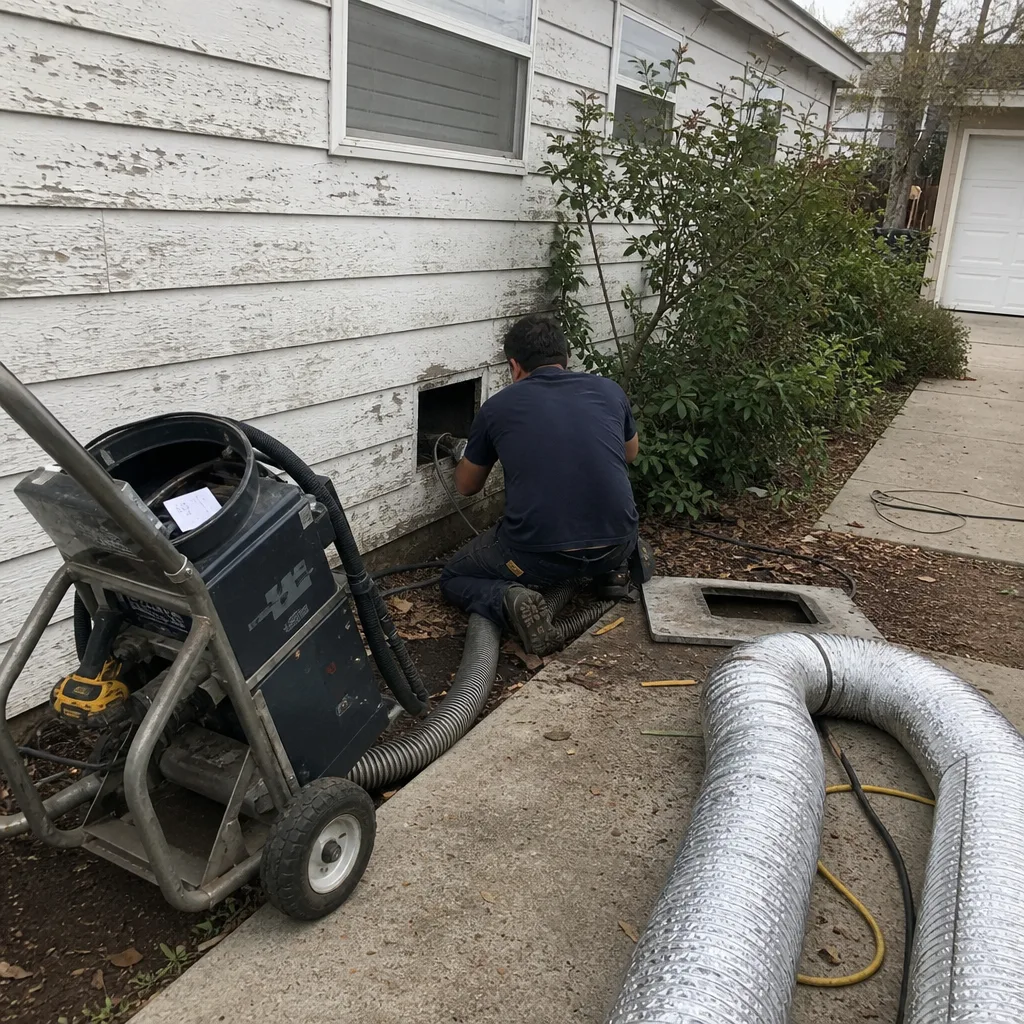 Before
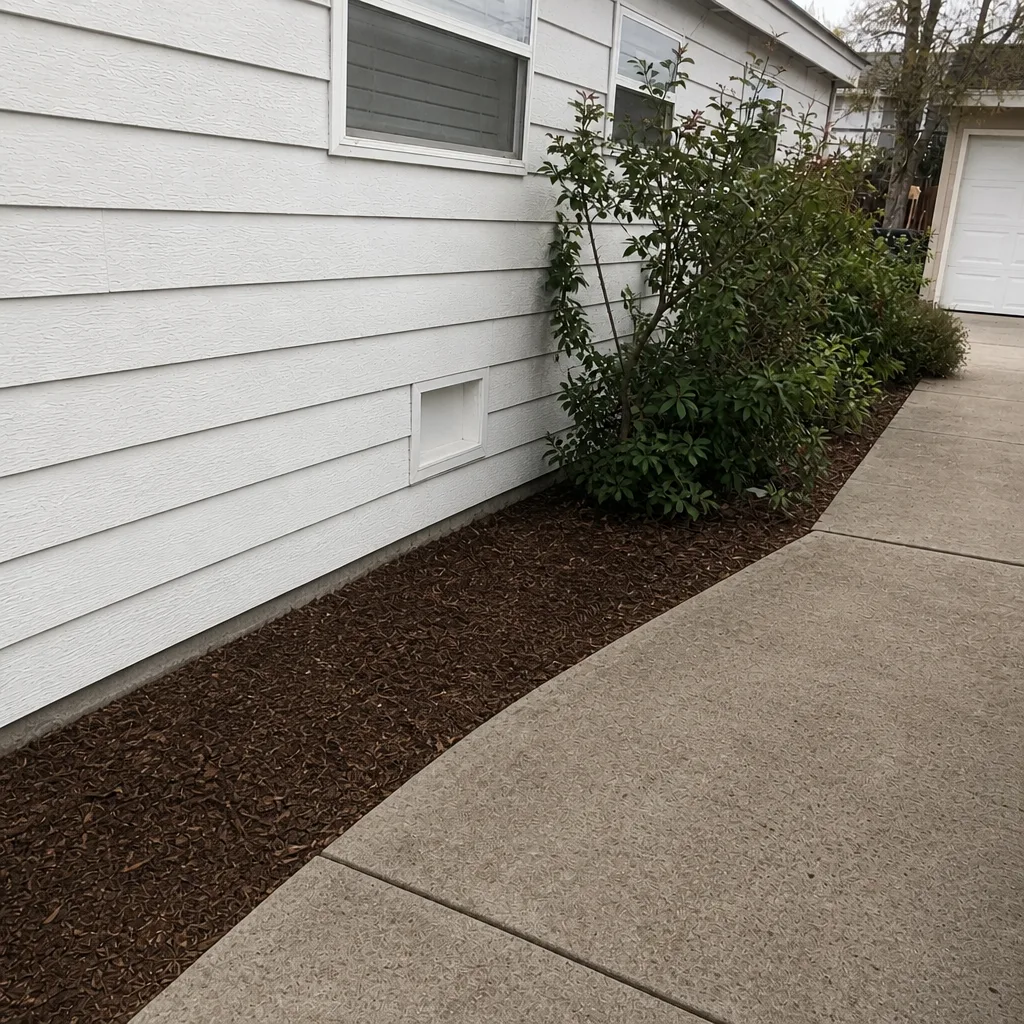 After
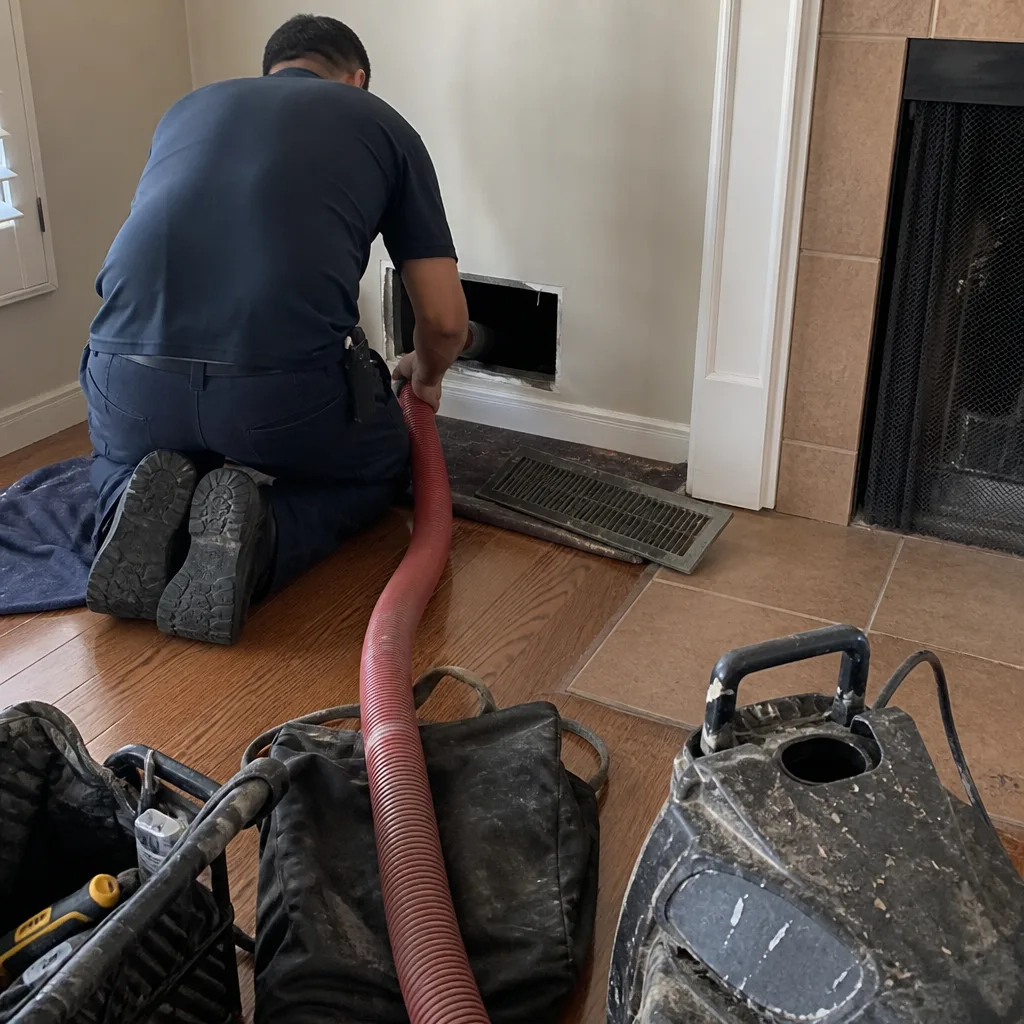 Before
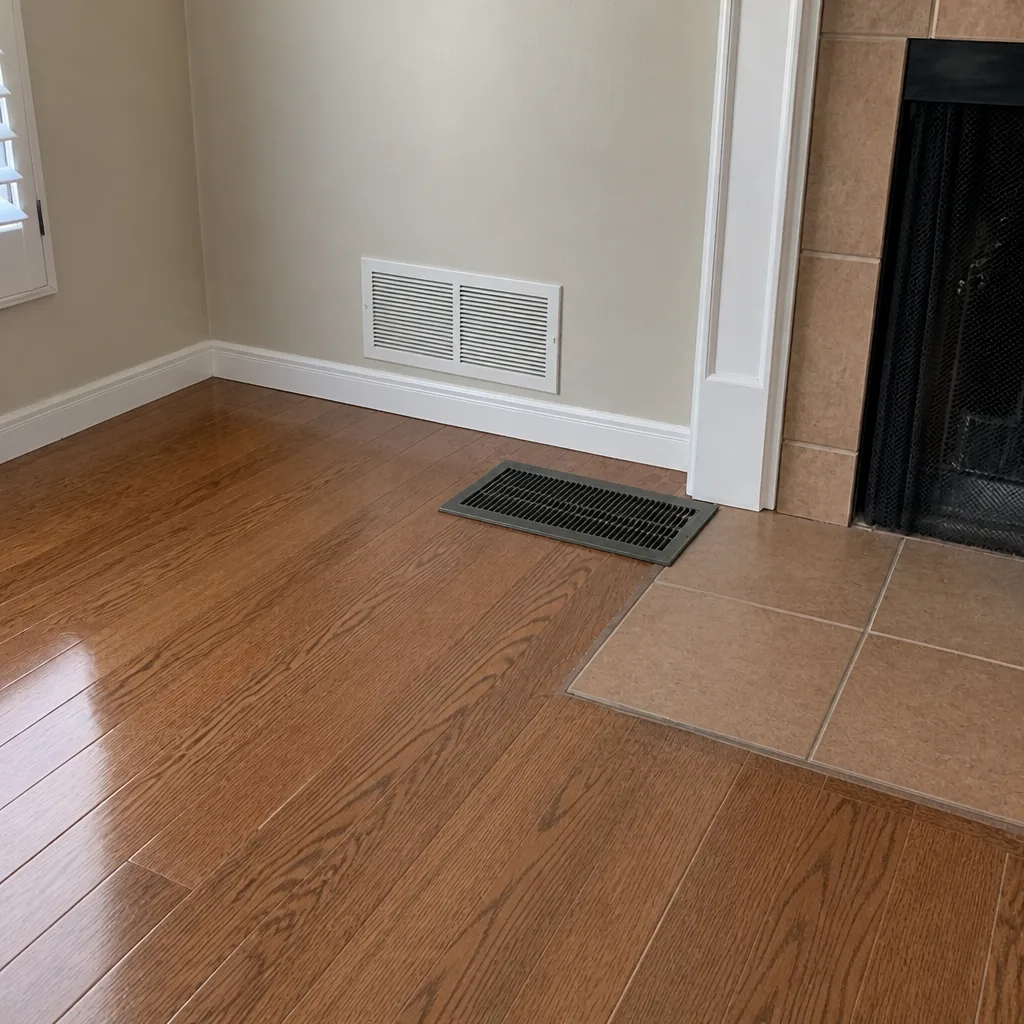 After
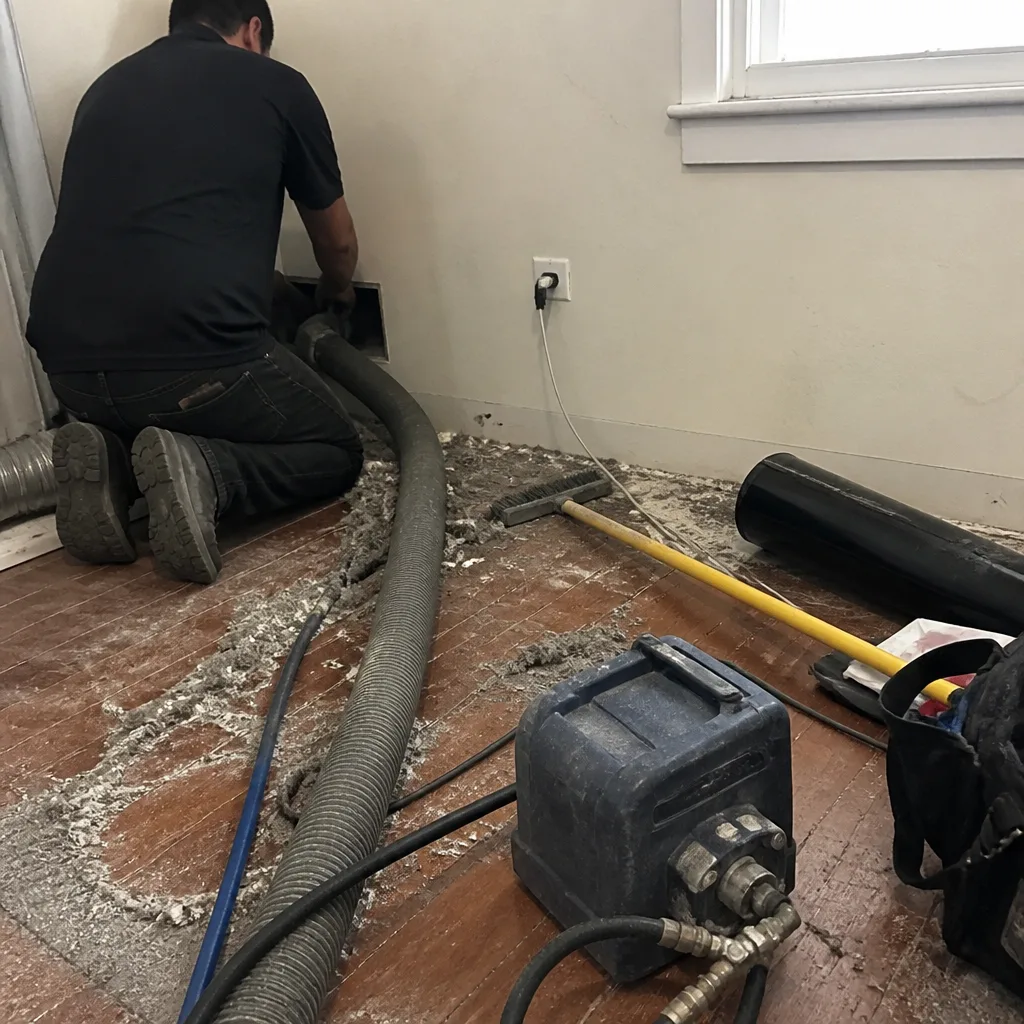 Before
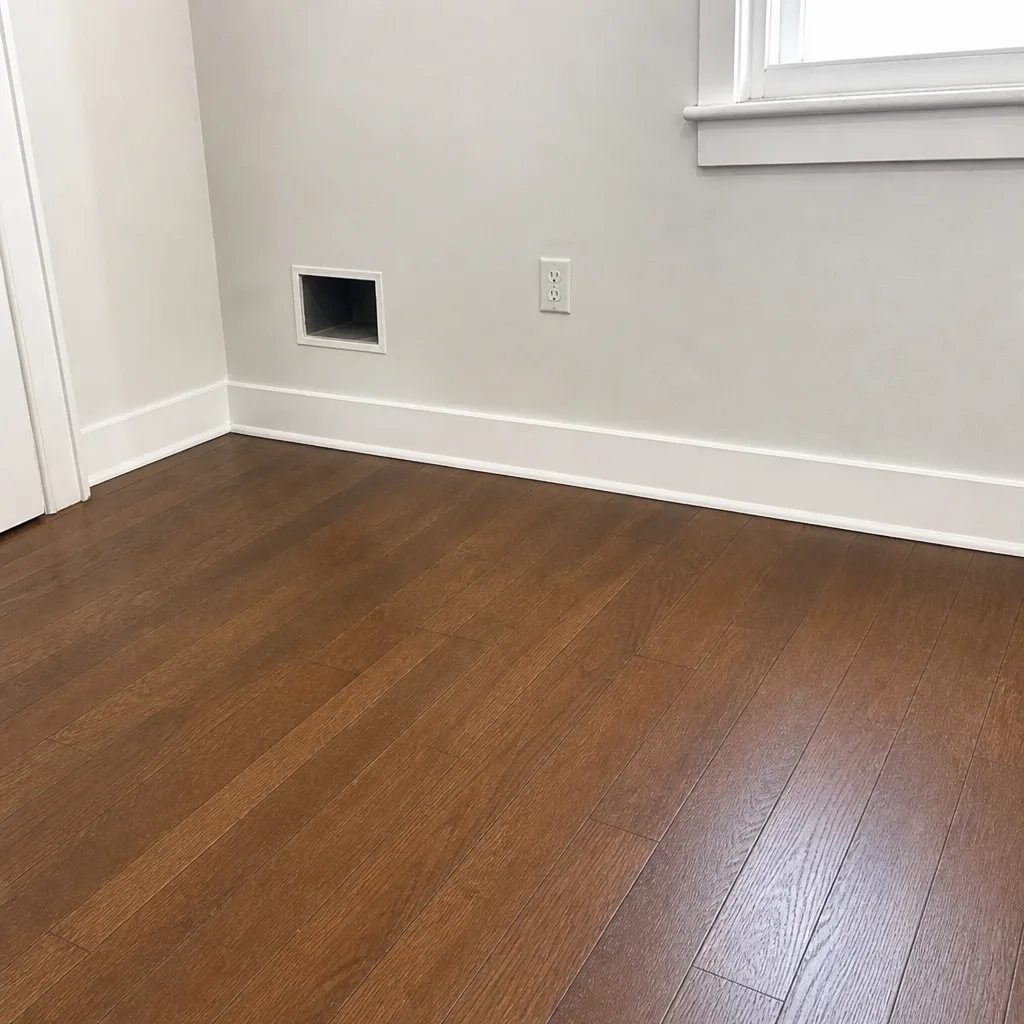 After