
Last updated November 4, 2026
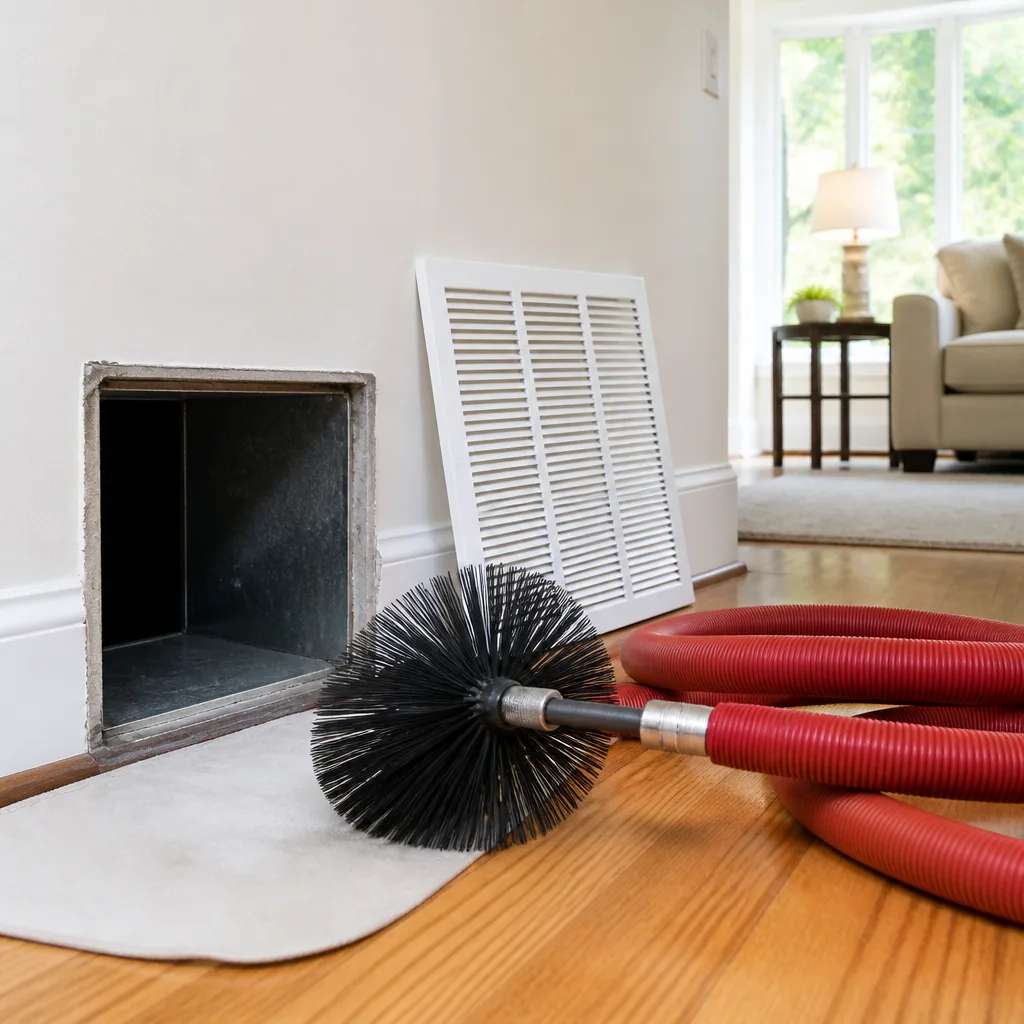 Whole-home duct cleaning
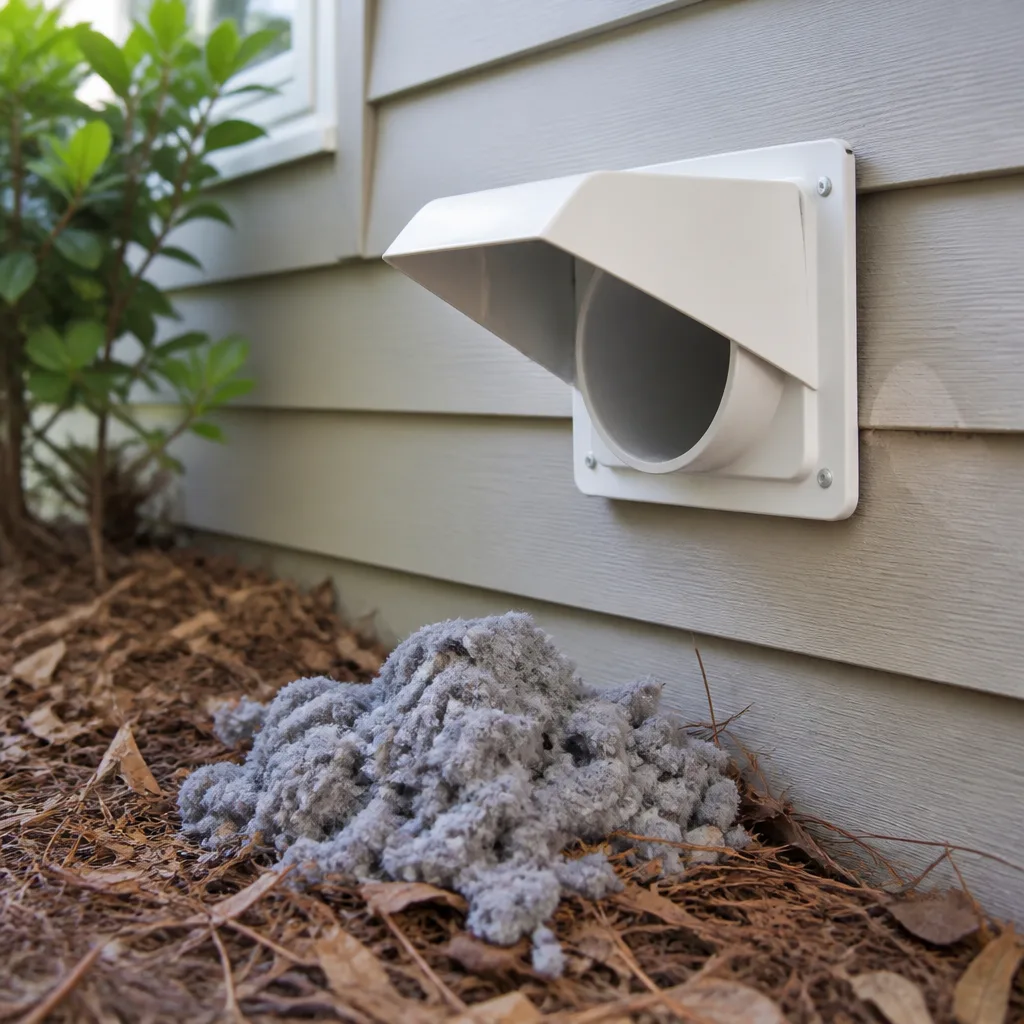 Dryer vent cleaning
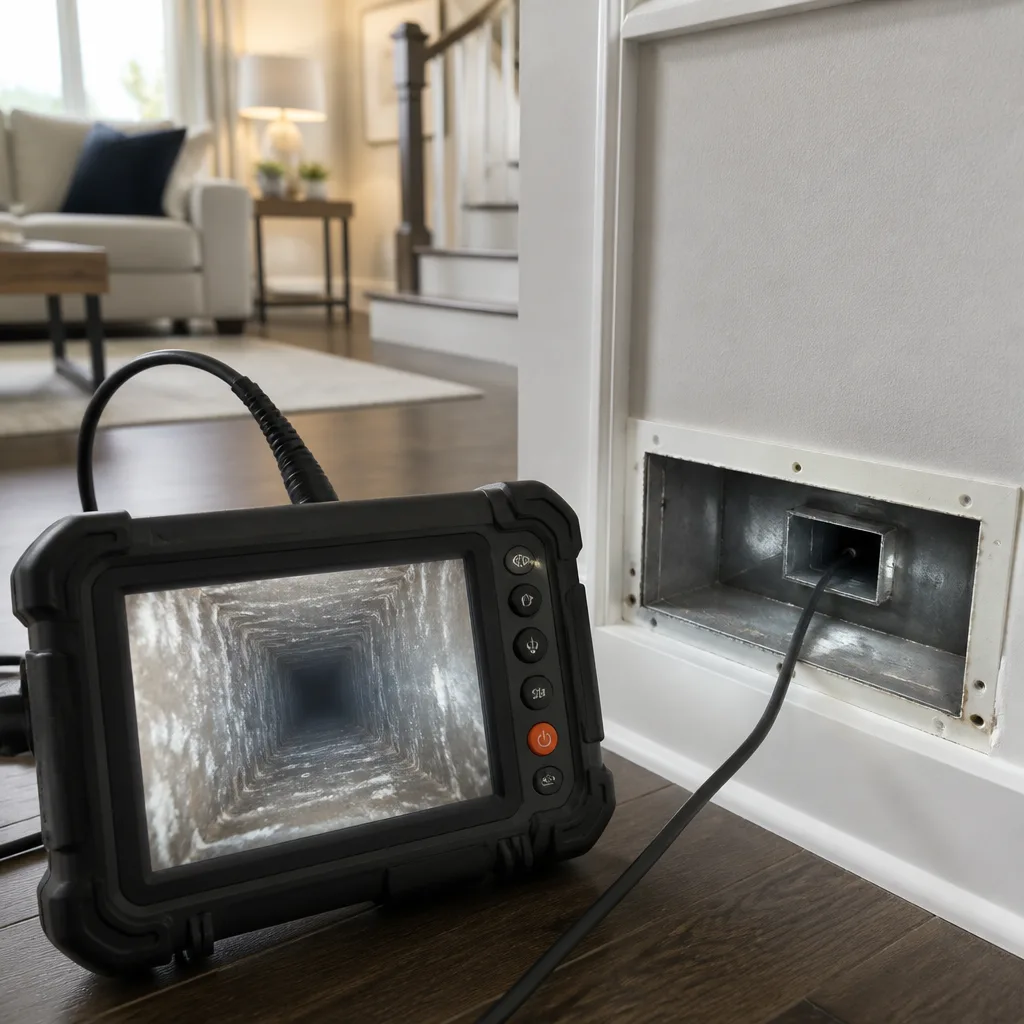 Camera inspection
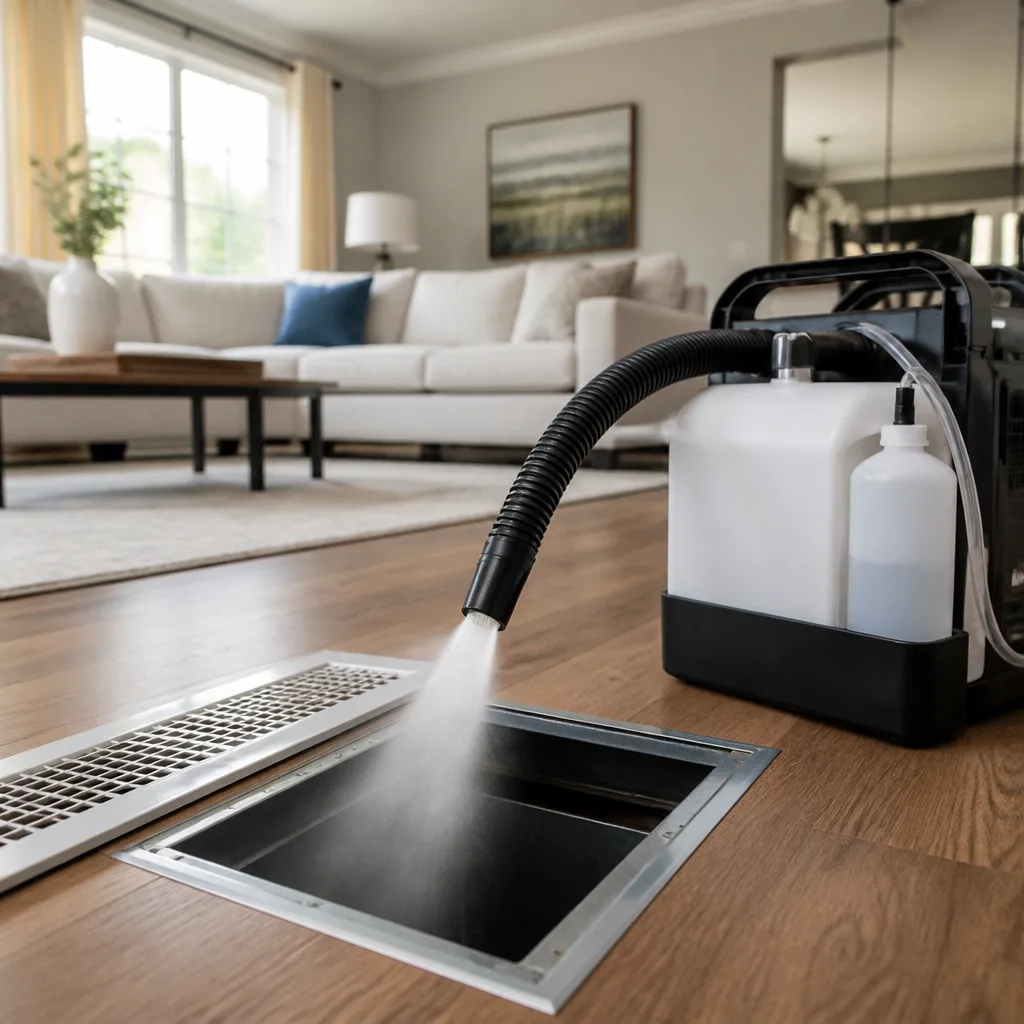 Sanitizing & deodorizing
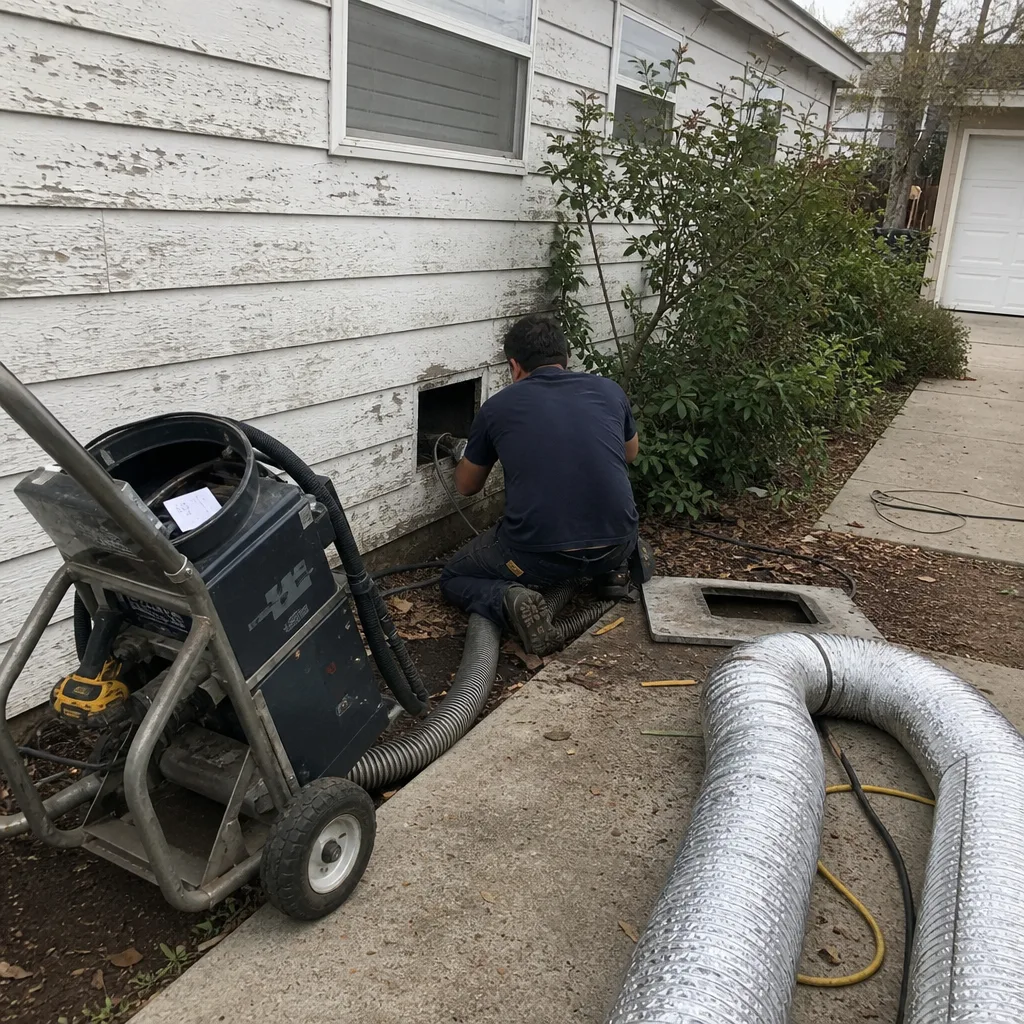
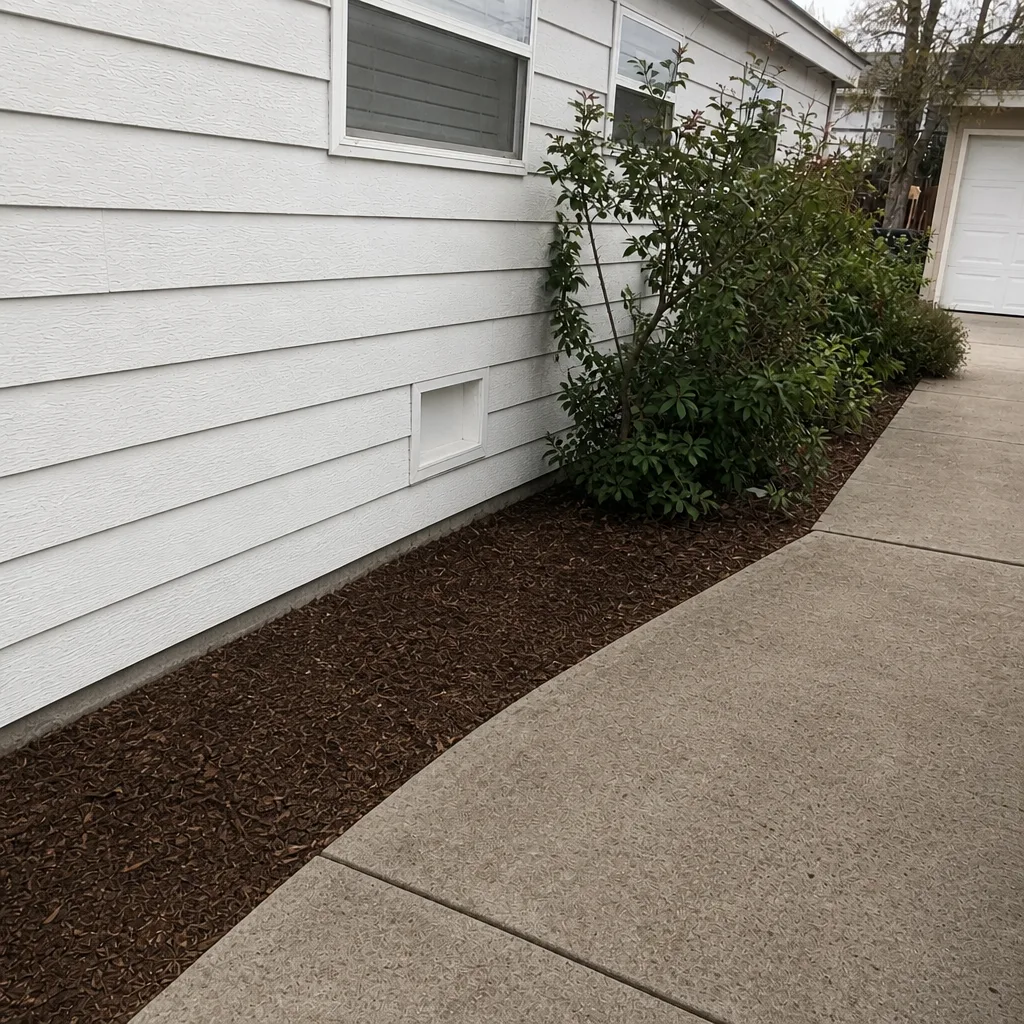
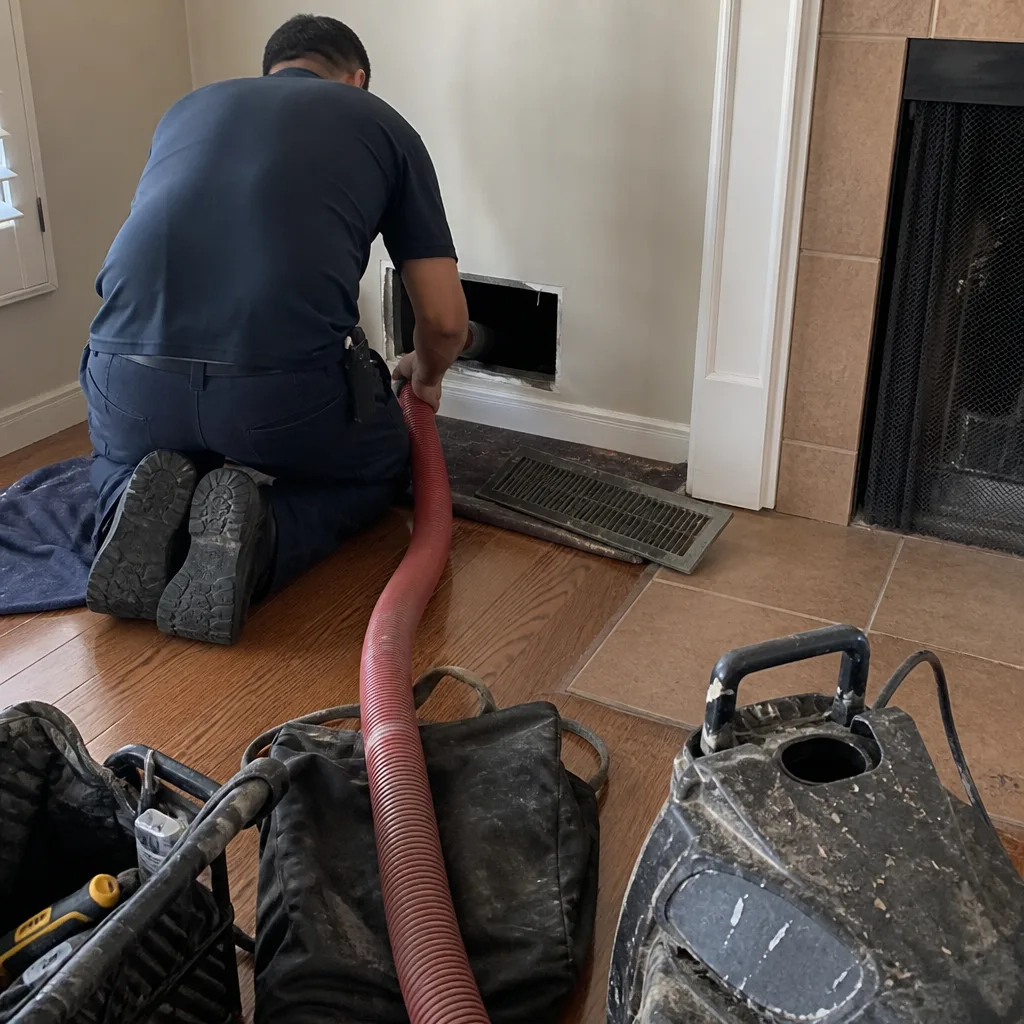
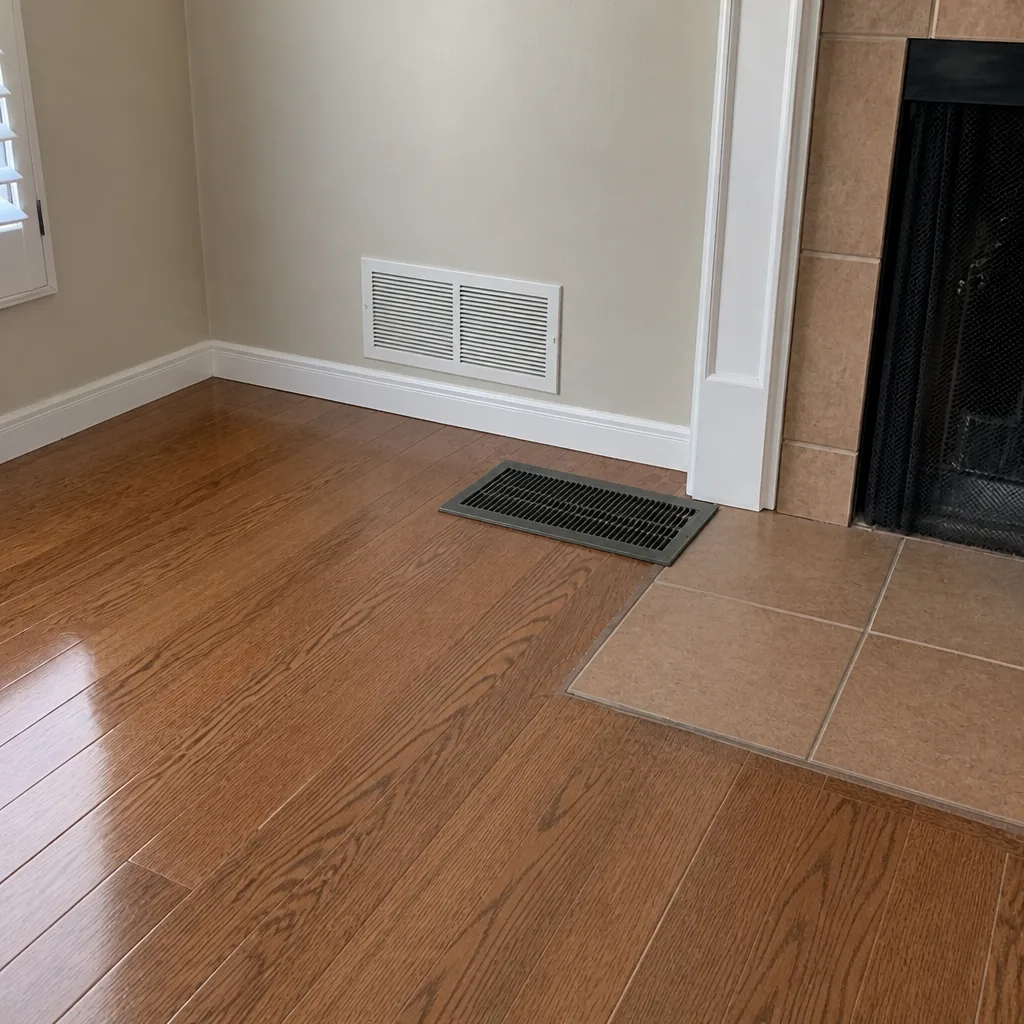
Whole-system duct and dryer vent check with before-and-after photos - you see exactly what came out of your vents
That "$99 whole-house special" is a bait ad - the real number appears once they are in your hallway, or the "clean" is a shop-vac at the register. We photograph the inside of your ducts before and after instead.
DIY vs Professional Air Duct Cleaning: The Castro Valley Homeowner’s Decision Guide
A homeowner with a shop vacuum and a dryer vent brush can effectively reach about 18 inches into a register opening. The debris that actually restricts airflow and degrades indoor air quality starts three to four feet in and extends all the way to the plenum. That gap, between what a consumer tool can touch and where the real buildup lives, is the entire story of duct cleaning. This guide draws the line honestly: what you can reasonably do yourself in Castro Valley, what you cannot, and how to tell the difference without paying for a sales pitch first.
Quick Answer
DIY air duct cleaning works for exactly three things: register grille cleaning, the first stretch of visible duct you can reach with a handheld vacuum, and routine filter replacement. Everything beyond that, which is most of the duct system, requires the negative pressure and mechanical agitation only professional equipment provides. If you want a genuinely clean, full system, schedule a professional air duct cleaning. If you want to keep a professional result intact longer, DIY maintenance between visits has a real role.
Styles & brands we work with
- Whole-home duct cleaning
- Dryer vent cleaning
- Camera inspection
- Sanitizing & deodorizing
Table of Contents
- What DIY Actually Accomplishes
- The Physics of Why Consumer Vacuums Fall Short
- When DIY Is a Reasonable Interim Measure
- When DIY Makes the Professional Job Harder
- What Professional Equipment Does That Consumer Tools Cannot
- Repair and Dryer Vents: The Two Jobs DIY Never Covers
- How to Use DIY Maintenance to Extend the Interval Between Professional Cleanings
What DIY Actually Accomplishes
Let’s be fair to the DIY approach. There are tasks a Castro Valley homeowner can do well with basic tools, and they matter enough to do on schedule. The confusion comes when people assume these tasks add up to a full duct cleaning. They do not. They add up to maintenance at the access points.
Here is what DIY genuinely handles:
- Register grille cleaning. Remove the stamped metal grilles from floors, walls, or ceilings. Wash them in warm water with a mild degreaser. Wipe the inside of the register boot, the first few inches of the duct opening, with a damp microfiber cloth. This removes surface dust, pet hair, and the gray film that forms around supply vents in Castro Valley homes.
- Filter replacement. On a forced-air system, the filter at the return grille or the air handler is the first line of defense. A clean filter keeps dust from entering the ductwork in the first place. Check it monthly during heavy heating or cooling use. Replace it when it shows visible gray or brown buildup, typically every one to three months depending on the filter and the household.
- Accessible dryer vent sections. Homeowners with a short, straight dryer vent run, the kind that goes directly through an exterior wall in a single-story Castro Valley house, can brush out the first foot or two and vacuum what they can reach from both ends. The lint that accumulates in that first stretch is flammable and worth removing regularly.
- Return air cavity dusting. Behind many return grilles sits a cavity, not a duct run. You can vacuum this space directly when the grille is off. It is a common collection point for hair and larger dust particles.
These are real tasks. They reduce the dust load in the air and on your surfaces. What they do not do is touch the 80 to 90 percent of the duct system that lies beyond arm’s reach.
The Physics of Why Consumer Vacuums Fall Short
This is the core of the DIY-versus-professional question, and it is worth understanding clearly because it explains why the answer does not change with a bigger shop vac or a longer hose.
A consumer vacuum works by pulling air through a nozzle at a certain rate. A typical wet/dry vac pulls maybe 100 to 150 cubic feet per minute of air through a two-inch hose. That is enough to pick up loose debris sitting right at the nozzle opening. It is not enough to create what the industry calls negative pressure inside a duct run.
Negative pressure means the pressure inside the duct is lower than the pressure outside it. When a professional system pulls thousands of cubic feet per minute of air out of the ductwork, the entire duct becomes a low-pressure zone. Debris gets carried toward the extraction point. The air moving through the ducts is the conveyor belt, and it moves fast enough to carry particulate the whole way.
A consumer vacuum does not move enough air to turn the duct into that conveyor belt. Instead, it agitates debris at the nozzle tip. Some gets captured. The rest gets stirred up, pushed sideways, or blown deeper into the run by turbulence at the hose end. The visible result, a register that looks cleaner right at the opening, masks what happened four feet upstream. The debris is still there, now loosened and redistributed.
This is not a matter of effort or attention. It is a matter of airflow volume. No consumer tool on the shelf changes that physics.
When DIY Is a Reasonable Interim Measure
There are specific situations where DIY maintenance is not just acceptable but genuinely the right call. The key is knowing what these situations are and not confusing them with a full-system cleaning.
You just moved into a Castro Valley home with unknown duct history and need a stopgap. You are not going to deep-clean the ducts this weekend. But you can clean every register grille, vacuum what you can reach at each opening, and replace the filter. This removes the surface layer of dust and gives you a cleaner few weeks while you schedule a professional assessment. Think of it as triage, not treatment.
A visible dust bloom is coming from one register. Sometimes a single vent shows an obvious accumulation right at the opening. Cleaning that register and the first few inches behind it addresses the immediate cosmetic issue. It does not address whatever is feeding that dust from farther up the line, but it stops the visible complaint while you investigate.
Allergy season is peaking and the filter is clogged. A dirty filter forces the blower to work harder and lets more particulate bypass into the ducts. Replacing it immediately is the single highest-value DIY task in the whole system. If you do nothing else, do this.
You had a professional cleaning recently and want to extend its effect. This is the best use of DIY effort. After a professional cleaning with real extraction, regular register cleaning and filter replacement keep the system from re-contaminating quickly. In this scenario, DIY maintenance is not a substitute for professional work. It is the maintenance schedule that protects the investment.
When DIY Makes the Professional Job Harder
There is a specific way DIY attempts can backfire, and it is worth naming plainly because it affects what a technician later finds in the ducts.
Settled debris is not loose dust sitting on the bottom of the duct like snow on a sidewalk. It is a matted layer, often years old, bonded partially to the duct walls by humidity and static charge. It has reached an equilibrium. It stays put until something disturbs it.
A consumer vacuum brush or a spinning dryer-vent brush on a drill disturbs exactly that layer without the extraction power to carry it out. The debris lifts off the duct wall, gets stirred into the airstream, and then resettles when the vacuum is removed. Some of it settles farther down the run. Some of it gets pulled into the blower or deposited on the evaporator coil, depending on placement. Some of it simply resettles in a looser, fluffier form that is easier to blow into the living space the next time the furnace kicks on.
The professional visit that follows now has to deal with debris that has been loosened, redistributed, and sometimes pushed past the original access point. It is not an insurmountable problem. Professional extraction handles it. But the technician is working harder to capture material that a gentler approach would have left in place, and the homeowner may have already gone through a few weeks of dustier air for the trouble.
The practical rule: do not put a spinning brush or a vacuum hose deeper into the duct than you can see. That line, about 18 inches for most people, is the boundary between maintenance and trouble.
What Professional Equipment Does That Consumer Tools Cannot
When we clean ducts in Castro Valley, we are doing three distinct things at once, and each one requires a piece of equipment no homeowner owns. The equipment is not a marketing detail. It is the difference between cleaning and rearranging dust.
Mechanical agitation. The layer of debris on duct walls is not removed by air movement alone. It needs to be physically broken loose. We use Rotobrush rotary brush systems for this. The brush head spins at high speed inside the duct, its bristles scrubbing the walls and dislodging the bonded particulate. A consumer stick brush dragged by hand does not generate the same contact force or consistency. The Rotobrush works the entire circumference of the duct, not just the bottom surfaces.
HEPA-rated extraction. Once debris is airborne in the duct, it has to go somewhere. Our Nikro HEPA-rated extraction equipment pulls air through the system at 2,000 cubic feet per minute or more. That is the negative pressure discussed earlier, and it is the single biggest technical differentiator. HEPA-rated filtration on the extraction unit means the particulate captured does not get exhausted back into your Castro Valley living room. It stays in the containment system. A shop vacuum, even with a HEPA filter, does not move enough air to create the same capture effect across a full duct run.
Containment. The third piece is Abatement Technologies negative-pressure containment. During the cleaning, the ducts become a working space. Without containment, the agitation process could push small amounts of particulate out through other registers or gaps. The containment units keep the duct system under negative pressure throughout the job, so air flows out of the living space and into the extraction system, not the other direction. The air in your home during the service is cleaner than it was before the service, because the system is continuously removing airborne particulate while the work happens.
That three-part process, agitate, extract, contain, is what separates a professional cleaning from a do-it-yourself register wipe. The equipment names are not proprietary secrets. They are the tools that do the job.
Repair and Dryer Vents: The Two Jobs DIY Never Covers
A duct system has two failure modes. One is dirt. The other is damage. DIY addresses neither, but it is worth separating them because the second failure mode is invisible to a homeowner without inspection tools.
Duct repair. Castro Valley homes range from mid-century construction to newer builds, and many have duct systems that were installed decades ago. Ducts leak, sections separate, flex duct sags, and connections at the plenum come loose. A clean duct with a six-inch gap is still a low-performing duct. Conditioned air leaks into the attic or crawlspace, and dust from those spaces can be drawn into the system through the same gap. Air duct repair is part of our service scope for exactly this reason. Clean ducts are the start. Sealed, intact ducts are the finish. No amount of DIY register cleaning addresses a separated trunk line or a collapsed flex run. You need a professional inspection to find those problems, because they are usually invisible from the register openings.
Dryer vents. This is a safety item, not a comfort item. Lint accumulates in dryer vents at a rate determined by the length and configuration of the run, the type of dryer, and how often it runs. The lint is highly flammable. A full-length dryer vent cleaning requires equipment that can reach the entire run, from the dryer connection through every elbow to the exterior termination. Our dryer vent cleaning service uses professional tools designed for this specific job. A homeowner can brush the first foot or two of a short, straight run. A homeowner cannot clear a 15-foot run with multiple elbows. The inaccessible lint is the fire hazard. This is the one job in the whole duct family where leaving it half-done is genuinely dangerous.
How to Use DIY Maintenance to Extend the Interval Between Professional Cleanings
The honest recommendation from a professional is not that you should never touch your ducts. It is that DIY effort works best as a maintenance layer between professional cleanings, not as a replacement for them.
Here is a practical schedule that makes sense for a Castro Valley home:
- Monthly. Check the filter. If it looks dirty, replace it. This is the single most important thing you can do for both air quality and system efficiency.
- Quarterly. Vacuum register grilles and wipe down the visible interior of each boot. This keeps the cosmetic dust layer from building up and makes your home feel cleaner between deep cleanings.
- Seasonally. Before the heating season and before any heavy cooling season, inspect the registers visually with a flashlight. What you are looking for is not dust, which is normal, but visible debris like pet hair clumps, construction dust, or anything that suggests a problem. Also check the outdoor dryer vent termination for accumulated lint.
- Every three to five years. Schedule a professional cleaning. The interval depends on pets, allergies, recent renovation, occupant count, and whether anyone in the home smokes or has respiratory conditions. A professional visit resets the system to a truly clean state, and the DIY maintenance schedule keeps it there longer.
This approach recognizes what DIY is and is not. DIY maintains. Professional cleaning restores. You need both, on different schedules, and that is not a sales line. It is how the physics works.
Common Mistakes to Avoid
- Assuming a HEPA shop vac equals professional extraction. A HEPA filter on a consumer vacuum captures fine particles at the nozzle. It does not create the airflow volume needed to pull debris from a full duct run. The filter rating and the airflow rate are two different specifications.
- Pushing a brush deeper than you can see. Once a brush or hose disappears past the visible bend in the duct, you are working blind. You are as likely to push debris into a worse position as to remove it.
- Using a leaf blower pointed into a register. This moves debris somewhere, which feels like cleaning. The debris ends up deeper in the system, blown into the plenum, or out every other register in the house. This is the single worst DIY duct cleaning technique.
- Cleaning the dryer vent from only one end. Lint that gets pushed down the run from the inside accumulates at the exterior termination or mid-run elbows. If you cannot access the full run from both ends, you are not cleaning the vent. You are moving lint into a tighter pack.
- Ignoring the return side. Most homeowners focus on supply registers because those are the visible grilles. The return side carries air from the house into the system, and it is often dirtier because it is unfiltered in the duct cavity. Clean return grilles and cavities on the same schedule as supply registers.
- Assuming clean registers mean clean ducts. The first 18 inches of a duct can look spotless while the remaining 30 feet are caked with years of accumulation. Registers are access points, not the system itself.
- Skipping the filter replacement after a professional cleaning. A dirty filter immediately loads the freshly cleaned system with new particulate. The professional result degrades fast if the filter is not swapped at the start.
See the difference
 Before
 After
 Before
 After
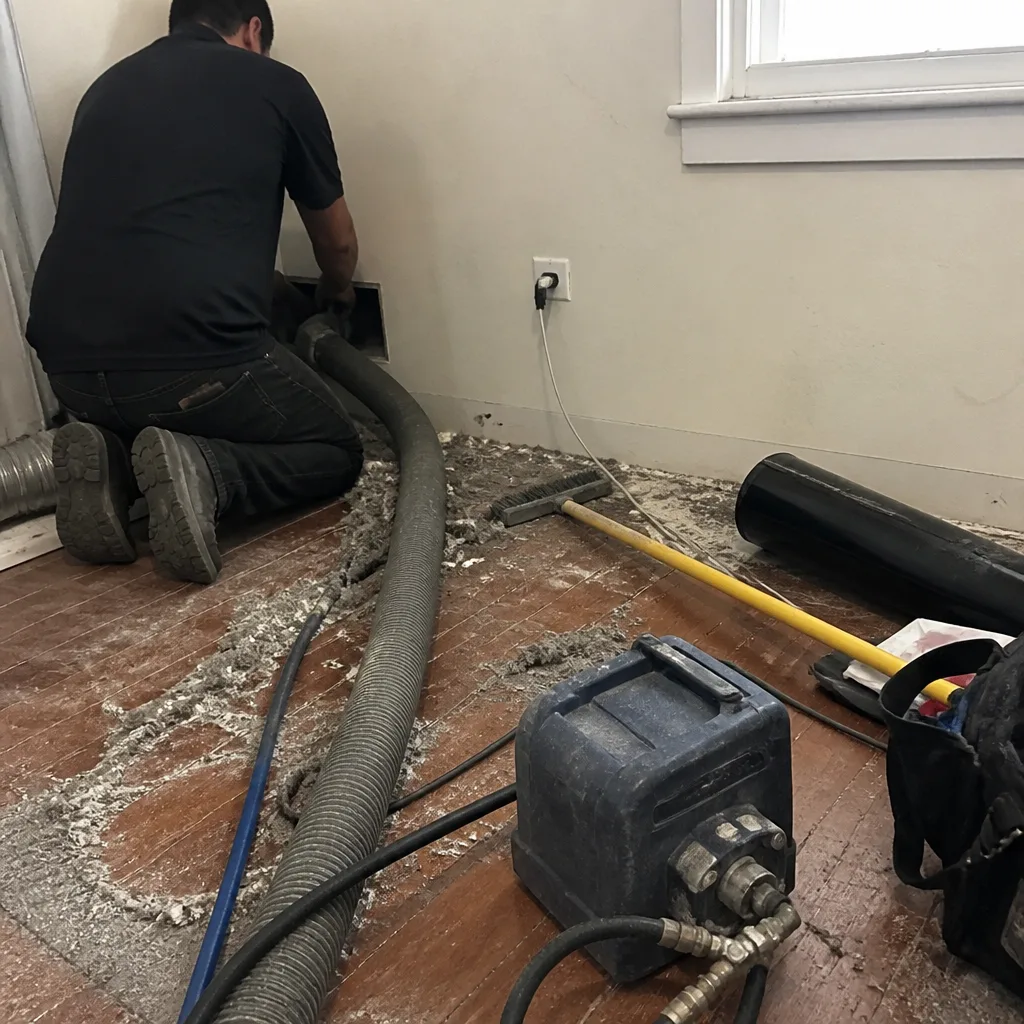 Before
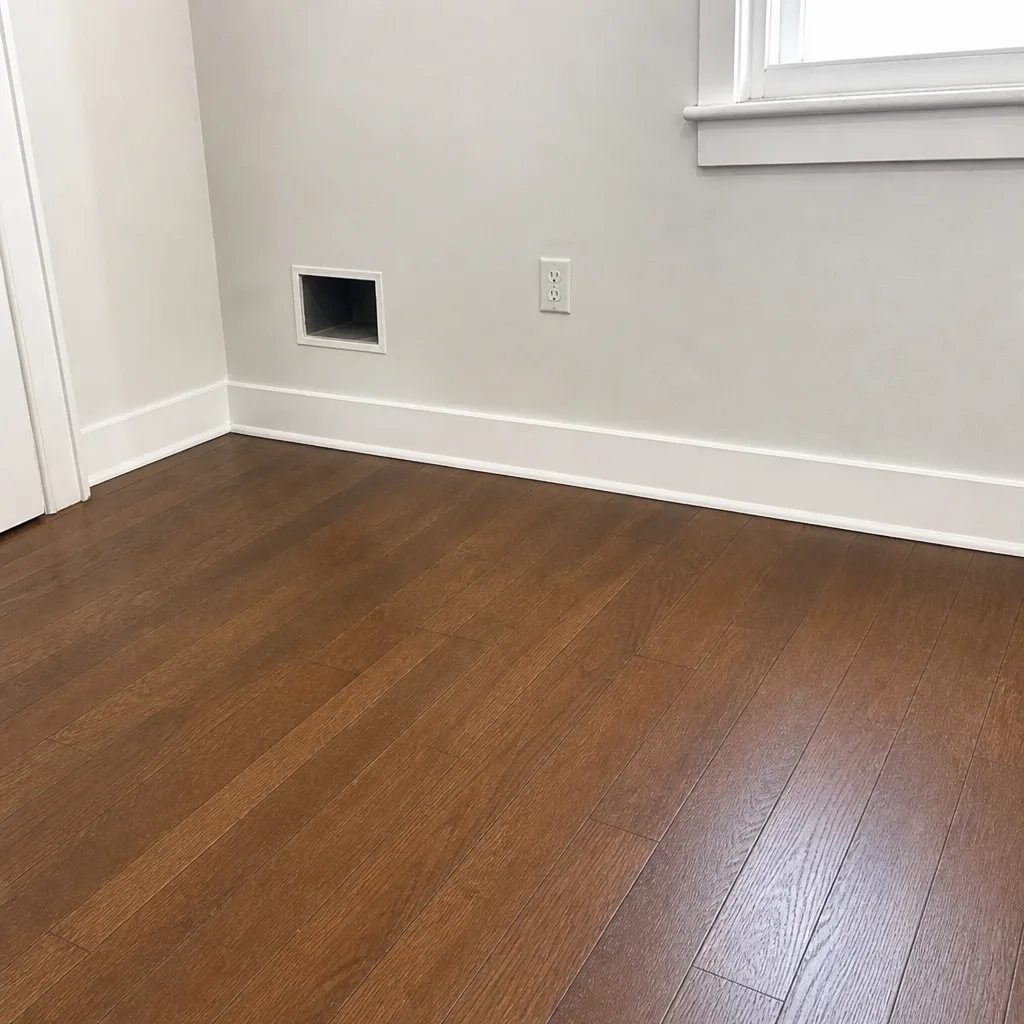 After
When to Call a Professional
Call a professional when any of these specific conditions apply. You see visible mold growth inside the ducts or on register grilles, which requires more than cleaning and should be assessed by someone who can tell you whether the duct itself needs repair or replacement. You have had a renovation, because construction dust gets into everything and is fine enough to bypass basic filtration. You have persistent allergy symptoms in the home that improve when you leave the house. You have a dryer that takes longer than one cycle to dry a normal load, which indicates restricted airflow somewhere in the vent run. You can see the ductwork flexing, sagging, or disconnected in an attic or crawlspace. Or you have simply owned the home for several years and have never had the ducts professionally cleaned, and you cannot remember whether the previous owner did either.
Any of those scenarios is a reason to have the system properly assessed. The estimate is free. Call (855) 382-9257 and we will take a look at the whole system, from the registers to the plenum to the dryer vent termination, and tell you what actually needs doing.
Frequently Asked Questions
Professional air duct cleaning in Castro Valley is priced per job by the written estimate, based on the size of the home, the number of systems, and the condition of the ductwork. The estimate is free, and the price is agreed before any work starts. Call (855) 382-9257 for an exact quote on your home.
You can clean the visible portions, the register grilles and the first 18 inches of the duct, with a vacuum and a brush. The rest of the duct run cannot be effectively cleaned by consumer tools because they cannot generate the negative pressure needed to extract debris from the full run. Leave that portion to professional equipment.
Most Castro Valley homes benefit from professional cleaning every three to five years. Homes with pets, allergy sufferers, recent renovation, or smokers should consider shorter intervals. Between cleanings, monthly filter replacement and quarterly register cleaning keep the system in better condition.
Cheaper quotes often mean less equipment and less thorough work. A service that arrives with only a shop vac and a brush cannot create the negative pressure needed to extract debris from the full duct run. The result is a visible improvement at the registers and little change in the ductwork itself. Get a written estimate that specifies the process and equipment, not just the price.
A professional service should be willing to show you before-and-after photos of the ductwork interior taken at the access points. A thorough cleaning also includes inspection for damage, leaks, and disconnected sections. If a contractor cannot or will not show you what they found and what they did, that is a red flag.
Professional duct cleaning removes accumulated dust, pollen, pet dander, and other particulate from the duct system, which can reduce the amount of these allergens circulating through the home. It is one part of an indoor air quality strategy that also includes HEPA filtration at the return and regular filter changes. Castro Valley homes with older duct systems often see the biggest improvement.
The Bottom Line
DIY air duct cleaning has a real but narrow role: register grilles, filters, the visible duct opening, and the first reachable dryer vent section. Those tasks are worth doing on a regular schedule because they keep a maintained system maintained. What DIY cannot do is clean the full duct run, create the negative pressure needed for true extraction, repair damaged or disconnected ductwork, or clear a full-length dryer vent. Those jobs require professional equipment, Rotobrush agitation, Nikro HEPA extraction, and Abatement Technologies containment, and they are the difference between clean registers and clean ducts. A Castro Valley homeowner who understands that line can do the right work themselves and spend money on a professional only when it actually matters. That is the whole decision, honestly drawn.
Written by the team at Duct Cleaning Castro Valley, serving Castro Valley since 2012.