
Last updated November 4, 2026
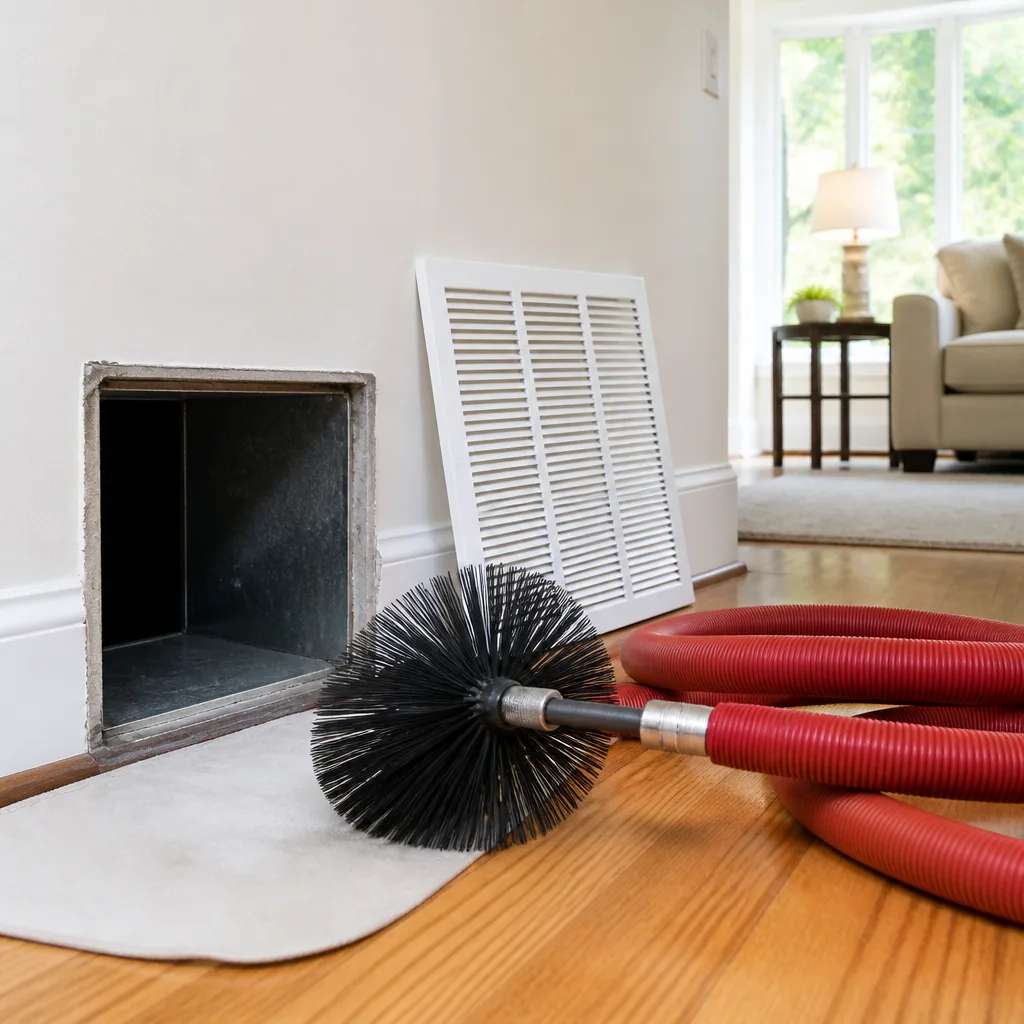 Whole-home duct cleaning
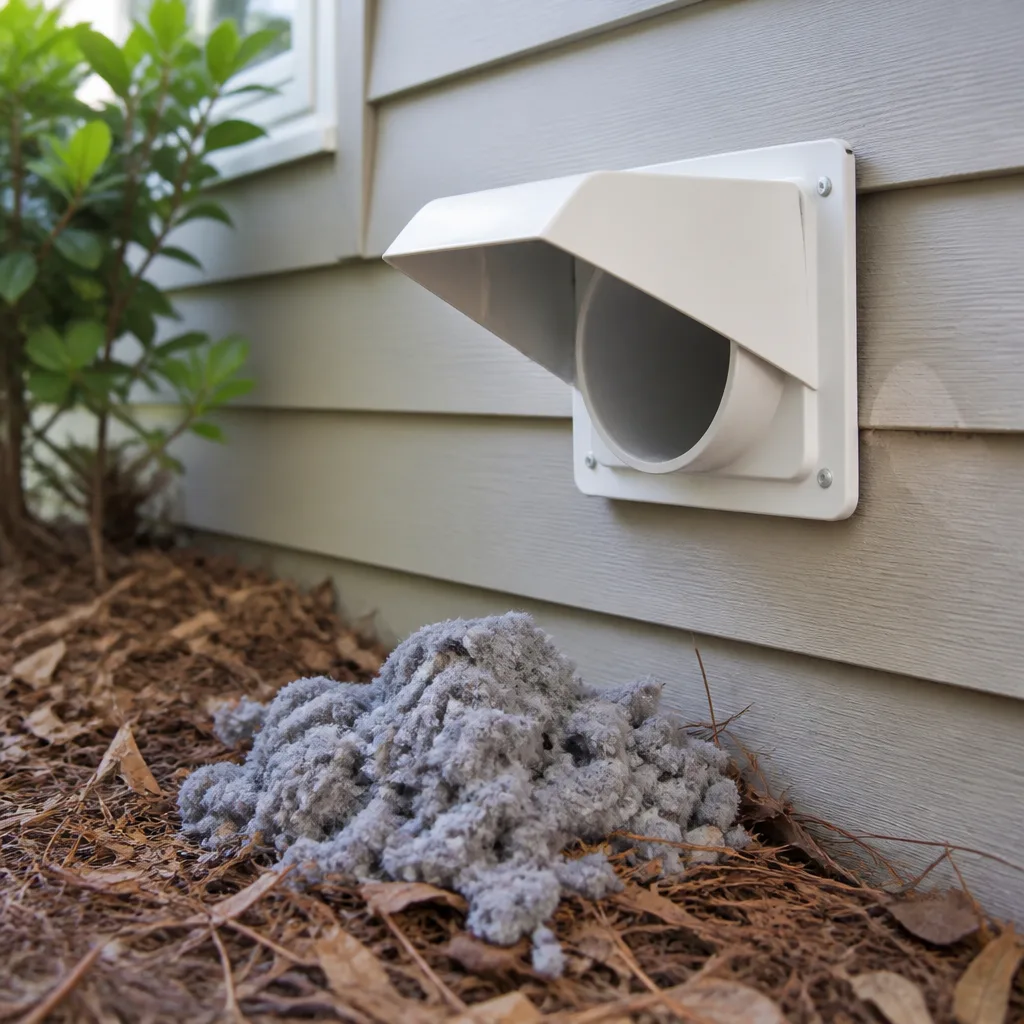 Dryer vent cleaning
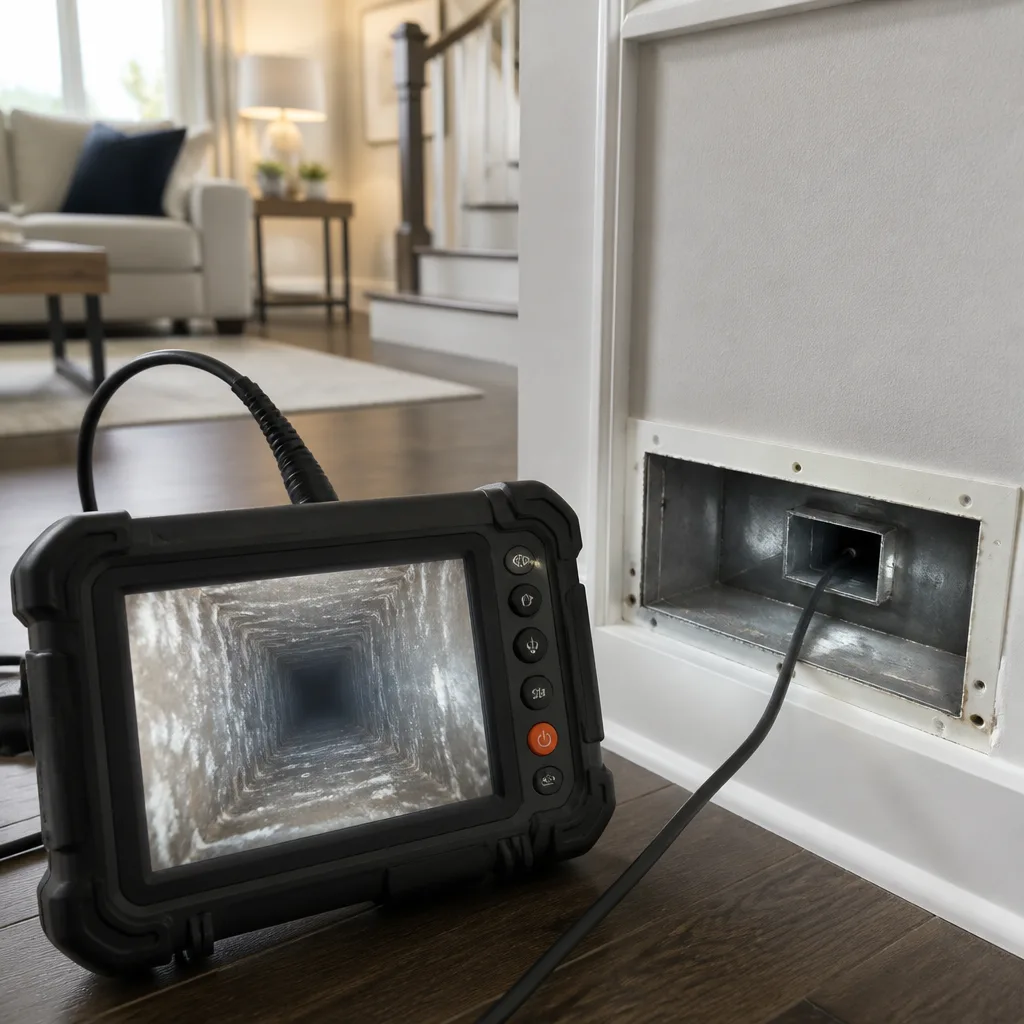 Camera inspection
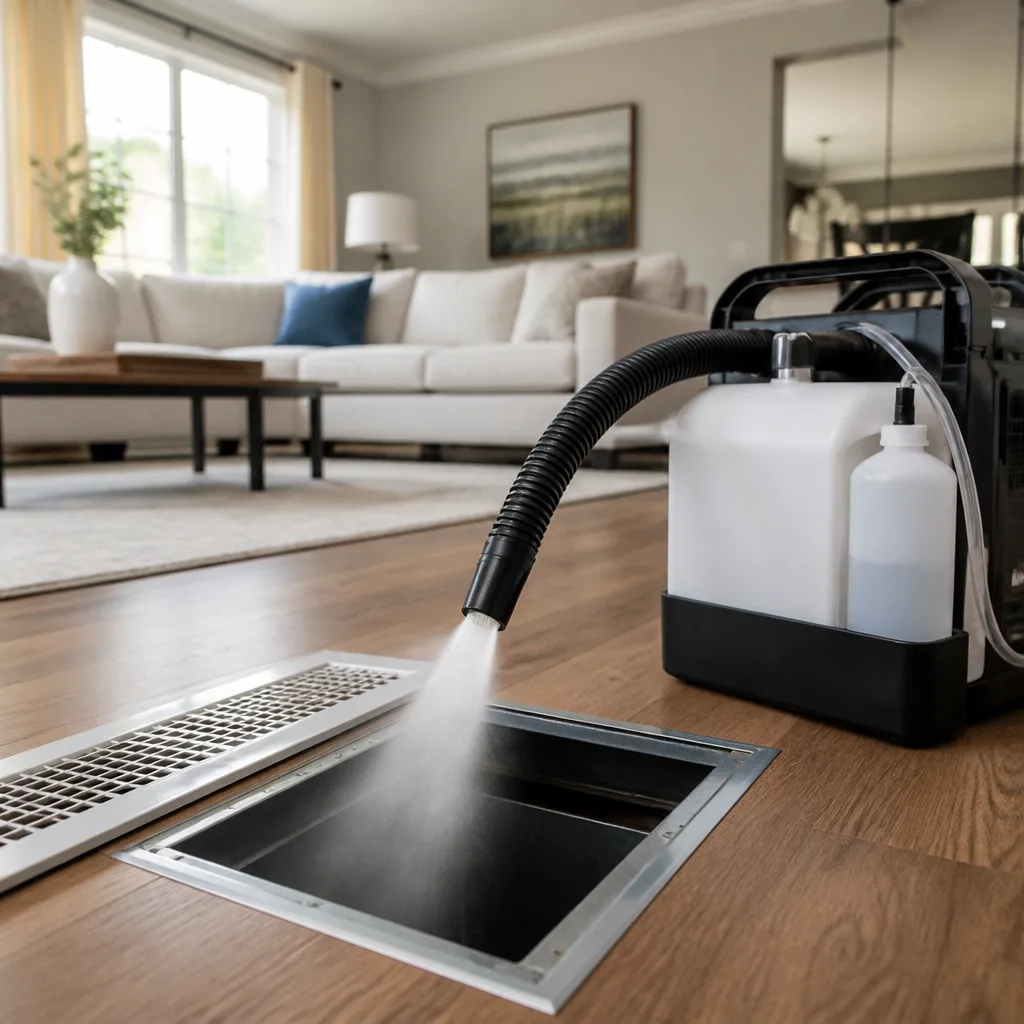 Sanitizing & deodorizing
Whole-system duct and dryer vent check with before-and-after photos - you see exactly what came out of your vents
That "$99 whole-house special" is a bait ad - the real number appears once they are in your hallway, or the "clean" is a shop-vac at the register. We photograph the inside of your ducts before and after instead.
Air Duct Cleaning Warning Signs: A Castro Valley Homeowner’s Reference Guide
If one room in your Castro Valley home is consistently 4 to 6 degrees warmer or cooler than the rest of the house, the problem is almost never the thermostat. It’s usually airflow restriction from debris accumulation inside a specific duct branch, or a disconnected duct run that’s been quietly dumping conditioned air into the attic or crawlspace. Most homeowners rationalize the symptoms, blaming allergies, an aging furnace, or just “how the house is.” This guide decodes the specific physical signals that mean your duct system needs attention, not your medication, and gives you a framework for deciding whether you’re looking at a cleaning job or a repair.
Quick Answer
The most common air duct cleaning warning signs in Castro Valley homes are uneven room temperatures, dark staining around supply registers, a persistent musty or burning odor when the HVAC runs, and steadily climbing energy bills without a matching change in usage. Any one of these on its own can have other causes, but when two or three appear together, the duct system is the likely common denominator. We recommend a professional inspection before the problem compounds into damaged equipment or degraded indoor air quality.
Styles & brands we work with
- Whole-home duct cleaning
- Dryer vent cleaning
- Camera inspection
- Sanitizing & deodorizing
Table of Contents
- Uneven Room Temperatures: What Differential Heat and Cold Actually Means
- Dark Staining Around Registers: Surface Dust vs. Bypass Contamination
- Odor Classification: Musty, Burning, or Chemical Smells and Their Likely Sources
- Increased HVAC Runtime and Energy Bills: The Castro Valley Utility Benchmark Reality
- Cleaning vs. Repair: How to Tell the Difference Before You Pay for the Wrong Service
- Post-Renovation and New-Home Dust Loads: The Invisible Debris Problem
- What a Proper Duct Inspection Actually Looks Like
- Common Mistakes to Avoid
- When to Call a Professional
- Frequently Asked Questions
Uneven Room Temperatures: What Differential Heat and Cold Actually Means
Homes in Castro Valley deal with specific climate conditions: warm, dry summers that push HVAC systems to run for long stretches, and mild winters where the system cycles more intermittently. When one bedroom feels noticeably warmer in July or colder in December than the hallway outside it, that differential is information. It’s a pressure signal, and it points to a specific location in your duct network.
We’ve seen this pattern many times: a homeowner sets the thermostat to 72 degrees, the living room reaches 72, but the back bedroom sits at 77. The thermostat is doing its job. The problem is that the duct run feeding that bedroom is not delivering its share of the air. There are three typical causes, and they require different responses:
- A restricted branch line. Debris has built up inside one specific duct run, narrowing the effective diameter. This is a cleaning problem. An air duct cleaning pass that includes agitation inside each branch, not just the main trunk, is usually the fix.
- A disconnected or separated duct joint. Over years of thermal cycling, the metal or flex duct connections at the plenum or at a junction can loosen. Air that should go to the bedroom is escaping into unconditioned space. This is a repair problem, and it shows up on an airflow test.
- A collapsed or crushed flex duct. In crawlspaces and attics in Castro Valley, flex ducts sometimes get pinched during other work: pest remediation, insulation upgrades, or the original installation itself. A crushed duct is a physical obstruction that no amount of cleaning will resolve.
The takeaway: a temperature differential between rooms is not a comfort preference issue. It’s a measurement. When the gap is small, closing vents or adjusting dampers may mask it. When the gap is several degrees and consistent, the duct system is asking for attention, and the question is whether the branch needs cleaning or repair.
Dark Staining Around Registers: Surface Dust vs. Bypass Contamination
Every home accumulates some dust on the surface of supply registers. That’s normal, and it’s not a warning sign by itself. What you should look for is a specific pattern: dark gray or black staining that appears around the edges of the register or on the wall or ceiling immediately surrounding it. That staining is not the same thing as the fine dust you can wipe off with a cloth.
That edge staining is a filtration bypass indicator. It means that air is moving around the filter or around the register boot rather than through it, and it’s carrying fine particulates into the room. Common causes in Castro Valley homes include:
- A filter that doesn’t seal properly in its slot, allowing air to slip around the edges
- A register boot that wasn’t caulked or sealed during installation, so air leaks out at the drywall seam
- A return-side leak pulling unfiltered air from an attic or crawlspace into the system
This is a signal that the system is not just dirty; its air-delivery path is compromised. Cleaning the duct interior helps, but if the boot seal is broken, the staining will return. A proper diagnosis covers both possibilities. We look at whether the stain is simply evidence of long-term bypass, or whether the bypass has now drawn enough unfiltered air that the duct interior itself needs addressing.
If you see staining around one register but not others, focus your attention on that specific branch. In Castro Valley homes with multiple returns, a single stained register often points to a localized boot leak rather than a system-wide contamination problem. If the staining appears at multiple registers across different rooms, the issue is typically upstream, at the filter cabinet, the return plenum, or the main trunk.
Odor Classification: Musty, Burning, or Chemical Smells and Their Likely Sources
When a duct system smell is present only when the blower runs, that’s a direct channel to the source. The odor type tells you which part of the system to investigate. Homeowners in Castro Valley deal with three distinct categories, and each points to a different root cause.
Musty or damp-earth odor. This is the most common duct-related smell we hear about. It indicates moisture in the system or the presence of organic material that has absorbed moisture at some point. In Castro Valley’s climate, the usual culprits are:
- Condensation on the cooling coil that isn’t draining properly, leaving standing water in the drain pan or the coil cabinet
- A return duct run through a humid crawlspace that has developed a leak, pulling damp air into the system
- Rodent or pest debris inside a duct run that has become the source of the persistent smell
Burning or hot-dust odor. When the heating system first fires up for the season, a brief burning smell is the accumulated dust on the heat exchanger burning off. That’s normal, and it fades within an hour or two. What’s not normal is a smell that persists for days or recurs every time the furnace runs. That points to a serious airflow restriction, often a clogged filter or a severely dirty blower wheel. The restricted airflow lets the heat exchanger run hotter than designed, and that’s a condition you want corrected. Continued operation under restricted airflow shortens equipment life in measurable ways.
Chemical or solvent odor. A smell that resembles paint thinner, nail polish remover, or something acrid and plastic-like should be taken seriously. Sources can include a refrigerant leak, a failing blower motor capacitor, or degrading flex duct liner. This is not a cleaning issue. It’s a diagnostic issue, and it should be inspected by a qualified technician. We identify the source first; whether the system then needs cleaning, repair, or both depends on what the inspection finds.
In our experience, odor complaints are where homeowners most often talk themselves out of action. A smell that comes and goes is still a signal. Ducts are an enclosed delivery system, and an intermittent odor means the source is still present, just intermittently accessible to the airflow.
Increased HVAC Runtime and Energy Bills: The Castro Valley Utility Benchmark Reality
Castro Valley summers run warm, and the cooling season stretches from late spring through early fall. That means the air conditioner is a significant share of household electricity use from June through September. When a system’s runtime climbs noticeably from one year to the next, with no change in thermostat settings or occupancy, the duct system is one of the first places to look.
A duct system that is partially obstructed by dust, pet hair, construction debris, or a crushed branch line has to push against more resistance. The blower runs longer to satisfy the thermostat, and the compressor runs longer because the cold air isn’t reaching the rooms at the design rate. The homeowner sees two things: longer cycles and a higher monthly bill.
The numbers in Castro Valley are not extreme, and that’s the problem. A $30 or $40 increase in a summer electric bill is easy to dismiss. But sustained over a four-month cooling season, that’s a real cost, and it’s compounding. The same principle applies in winter, though the mild climate means heating costs are lower and the masking effect is stronger. A gas furnace running longer due to restricted airflow wastes fuel in smaller increments, and the bill signal is weaker.
The practical benchmark we suggest is this: if your cooling bill during July, August, and September is consistently higher than the same period last year, and you haven’t added occupants, changed the thermostat, or picked up a new appliance, consider the duct system a suspect. It’s not the only suspect, but it’s one that’s easy to inspect. A visual check with a camera through the supply registers can reveal accumulations that would explain the extra runtime. It costs far less to inspect than to continue paying the excess bill.
Cleaning vs. Repair: How to Tell the Difference Before You Pay for the Wrong Service
This is the distinction that separates a useful service visit from a wasted one. A dirty duct system and a damaged duct system can produce similar symptoms, but they require different work. Sending a repair crew into a system that only needs cleaning wastes money. Sending a cleaning crew into a system with a disconnected branch leaves the real problem untouched. Here’s how the two present:
Signs that point to cleaning:
- Visible dust accumulation inside the supply registers when you shine a flashlight into the boot
- A fine layer of dust that reappears on surfaces within days of thorough cleaning of the room itself
- Pet hair visible at the return grille, suggesting it has been drawn into the system
- Generalized musty odor throughout the house that improves when the system is off
- No sign of physical damage in the accessible duct runs, and no temperature differential beyond a few degrees between rooms
Signs that point to repair:
- One room consistently off by more than 4 degrees from the rest of the house
- A specific register that blows weakly even after the filter has been changed
- Visible separation or sagging in flex duct runs accessible from the attic or crawlspace
- Dark staining around one register but no smell and no general dust increase elsewhere
- Listening to the system: a whistling or rushing sound near registers that suggests air escaping from a gap
In practice, many Castro Valley homes need both. A system that has run for years with a partially disconnected branch has been sucking attic dust into the return side the whole time. The branch gets sealed, the contamination gets cleaned. A company that offers both dryer vent cleaning and repair services under one roof can address the full sequence, rather than cleaning around a structural problem. We use Rotobrush rotary agitation to dislodge debris from duct walls, paired with Nikro HEPA-rated extraction so the loosened particulates are captured, not recirculated into the living space. Abatement Technologies negative-pressure containment keeps the indoor air protected during the work. But none of that equipment matters if a disconnected branch is still pulling attic air in. The inspection determines the order of operations.
Post-Renovation and New-Home Dust Loads: The Invisible Debris Problem
Two specific situations create duct contamination faster than any gradual accumulation. The first is renovation. The second is moving into a home where the previous occupants’ habits, pets, and maintenance history are unknown. Both are common in Castro Valley, where much of the housing stock is decades old and renovation activity is steady.
During a renovation, drywall dust, sawdust, and insulation fibers get airborne. The HVAC system, if it’s running during construction, acts as a whole-house dust pump. We’ve seen systems where a single kitchen remodel pulled enough gypsum dust into the return ducts to coat the interior of every branch line. The dust is fine enough to pass through a standard filter and dense enough to cling to duct walls. Once the renovation is finished and the filter is changed, the dust remains. It releases gradually, which is why new dust appears for months after a project ends.
When you buy a home in Castro Valley, the duct system is a question mark unless the seller provides documentation of a recent cleaning. Pet dander, cooking residues, and years of normal dust accumulate inside ducts. It’s not a reflection on the previous owners; it’s simply what happens over time. New carpets and fresh paint mask the issue for a while, but the first cooling season often reveals it, especially if the buyers have allergies or respiratory sensitivities.
Our recommendation for anyone post-renovation or newly moved into an older home is the same: an inspection before the system runs through its next season. It’s far easier to clean accumulated construction dust out of ducts than to keep cleaning the dust off every surface in the house while waiting for the system to clear itself. It won’t clear itself.
What a Proper Duct Inspection Actually Looks Like
We want to describe what a real diagnostic process involves, because it’s the difference between a meaningful inspection and a tech shining a flashlight into one register and quoting a price. A proper inspection is methodical.
Step one: the filter and blower compartment. The technician opens the blower cabinet and checks the condition of the blower wheel, the motor, and the filter. A filter caked with debris tells one story: unrestricted airflow was already compromised at the first line of defense. A clean filter with a dirty blower wheel tells a different story: the filter is bypassing, and unfiltered air has been moving through the system.
Step two: the return side. The return ducts, the return plenum, and the return grilles are inspected. This is where outside air enters the system, and it’s where leaks matter most. A return leak in an attic or crawlspace pulls unconditioned, unfiltered air into the system, and that air never passes through the filter before it’s distributed through the house.
Step three: the supply side. Each supply branch is checked for airflow, and accessible sections are checked for disconnections, crushing, or sagging. In Castro Valley homes with crawlspaces, this is where the flex duct sections are physically reached. In homes with attic duct runs, the inspection covers the same ground from above.
Step four: the registers and boots. The register in each room is removed, the boot is inspected for sealing and dust accumulation, and a camera is run into the branch if the configuration allows. This is where staining patterns get their explanation.
Step five: the report. The homeowner should know what was found, where it was found, and what the options are. If the system needs cleaning, the scope should be explicit: which branches, what method, what equipment. If the system needs repair, the same specificity applies. Cleaning and repair decisions should be separated clearly, so the homeowner understands what each addresses.
We name our equipment because the process matters. Rotobrush agitators make physical contact with the duct walls to dislodge what’s adhered to them. Nikro HEPA-rated vacuums capture the airborne particulates at the point of extraction, so they don’t settle back into the room. Abatement Technologies negative-pressure equipment keeps the work area under constant vacuum relative to the living space. These are not interchangeable tools, and they work together in sequence. That’s the difference between what we do and what a shop vac and a brush accomplishes.
Common Mistakes to Avoid
- Assuming a new filter fixes everything. A clean filter helps the system going forward, but it does nothing for debris already inside the ducts. The filter protects the blower; it’s not a cleaning tool for the rest of the system.
- Closing registers to balance temperatures. When one room is hot and another is cold, closing the register in the cold room seems logical, but it increases static pressure in the system and can make the restriction worse. The underlying airflow problem remains.
- Ignoring a smell because it’s intermittent. An odor that appears only sometimes is still pointing to a source inside the system. Intermittency usually means the source is only occasionally in the airflow path, not that it disappeared.
- Attributing every symptom to allergies. Dust, sneezing, and congestion that improve away from home can absolutely be indoor-air-related. Ducts are one of several possible sources, and they’re a source that can be inspected and addressed directly.
- Assuming a new home has clean ducts. New construction leaves drywall dust, sawdust, and construction debris inside ducts. New to you doesn’t mean clean; in fact, a home that recently passed through a renovation is a higher-priority candidate for inspection than one that’s been lived in quietly for a decade.
- Paying for cleaning when the real problem is repair. If a branch line is disconnected, cleaning the system won’t restore airflow to that room. The work order should always be based on inspection findings, not on a service menu.
- Comparing quotes by price alone. Duct cleaning methods vary enormously. A low quote often reflects a less thorough process. Ask about the equipment used, whether containment is included, the number of access points, and the hours the job is expected to take. The answers reveal more than the dollar figure.
When to Call a Professional
You should call when the signals are persistent rather than anecdotal: a temperature gap between rooms that’s held for weeks, staining around registers that’s darkened over time, an odor that has outlasted a season, or energy bills that have risen without explanation. You should also call before you spend money on allergen mitigation, higher-end filters, or HVAC parts replacement, because if the ducts are the underlying problem, those other investments won’t deliver what you’re paying for. Duct cleaning and repair is a specialized trade with specific equipment requirements, and a company that works with proper extraction and containment equipment produces a different result than a general handyman with a vacuum. Duct Cleaning Castro Valley offers free estimates in Castro Valley. Call (855) 382-9257. We answer 24/7. Fast dispatch from 7am to 7pm, Sunday through Friday.
Frequently Asked Questions
You know your ducts need cleaning when you see dust accumulating inside the registers, notice dark staining around register edges, smell a musty odor when the system runs, or find that rooms are consistently at different temperatures despite a functioning thermostat. Any one of these signs warrants an inspection; two or more together make cleaning a strong possibility.
Most homes benefit from a professional duct cleaning every 3 to 5 years, though Castro Valley homes with pets, recent renovations, or occupants with allergies often fall on the shorter end of that range. The real answer depends on what the inspection finds, not on a calendar. A system that’s been seal-tested and properly maintained can go longer; a system that’s been drawing unfiltered air from a crawlspace can’t.
Dirty ducts have debris inside them: dust, pet hair, construction residue, or biological growth. Damaged ducts have physical problems: disconnected joints, crushed flex runs, or leaking boots. Dirty ducts can be cleaned; damaged ducts need repair. The two often coexist, which is why a proper inspection separates the findings and the recommendations.
If the system is restricted by accumulated debris, cleaning can reduce the blower’s workload and shorten cycle times, which lowers energy use. The improvement is most noticeable when a system has a significant buildup or a partially blocked branch. It’s not a substitute for good insulation or a well-maintained HVAC unit, but a clean duct system is a prerequisite for efficient operation.
A musty smell when the cooling system runs usually points to moisture in the system: a clogged condensate drain, standing water in the drain pan, or a return leak pulling damp crawlspace air into the ducts. The source needs to be found and corrected, because cleaning alone won’t remove the cause. The moisture issue gets fixed first, then the duct interior is addressed if the dampness has left contamination behind.
You can replace filters, vacuum register openings, and keep return grilles free of pet hair, but these are maintenance tasks, not duct cleaning. The interior of a duct system runs through walls, attics, and crawlspaces. Reaching it properly requires access tools, rotary agitation equipment, and extraction that captures what’s loosened. A household vacuum doesn’t have the reach or the filtration to do the job properly, and disturbing debris without capturing it can make indoor air quality worse temporarily. Call (855) 382-9257 for a free estimate, and we’ll tell you honestly whether your system needs professional attention.
The Bottom Line
The warning signs that matter are not dramatic. They’re subtle, persistent, and easy to assign to other causes: a bedroom that’s always warmer, a register with dark edges, a smell that comes and goes, a utility bill that’s crept upward. Individually, each is easy to dismiss. Together, they describe a duct system that’s no longer doing its job. The value of a proper inspection is that it replaces speculation with evidence. You find out whether the system needs cleaning, repair, or both, and you stop paying for the symptoms while the underlying cause sits untouched in the walls. For Castro Valley homeowners, that’s the practical, adult way to handle the question. Inspect first. Then decide.
Written by the team at Duct Cleaning Castro Valley, serving Castro Valley since 2012.
See the difference
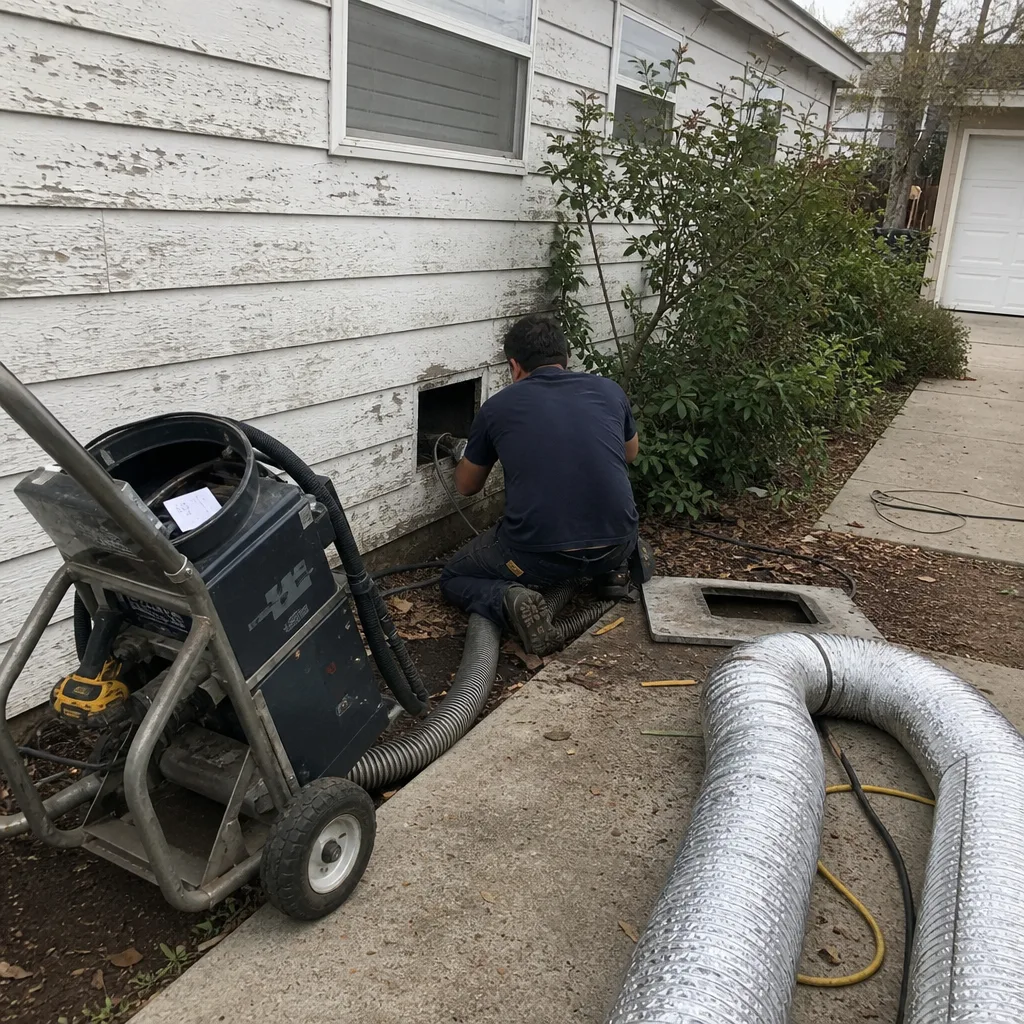 Before
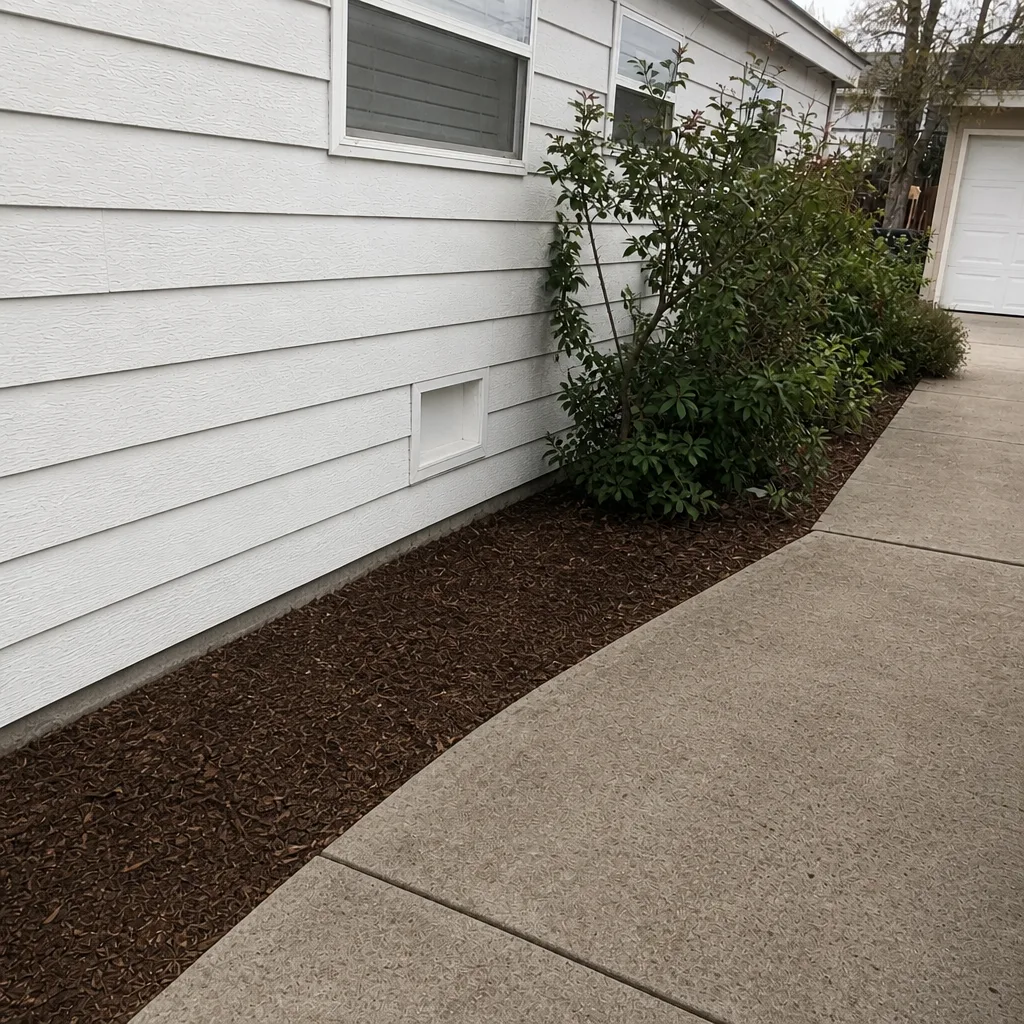 After
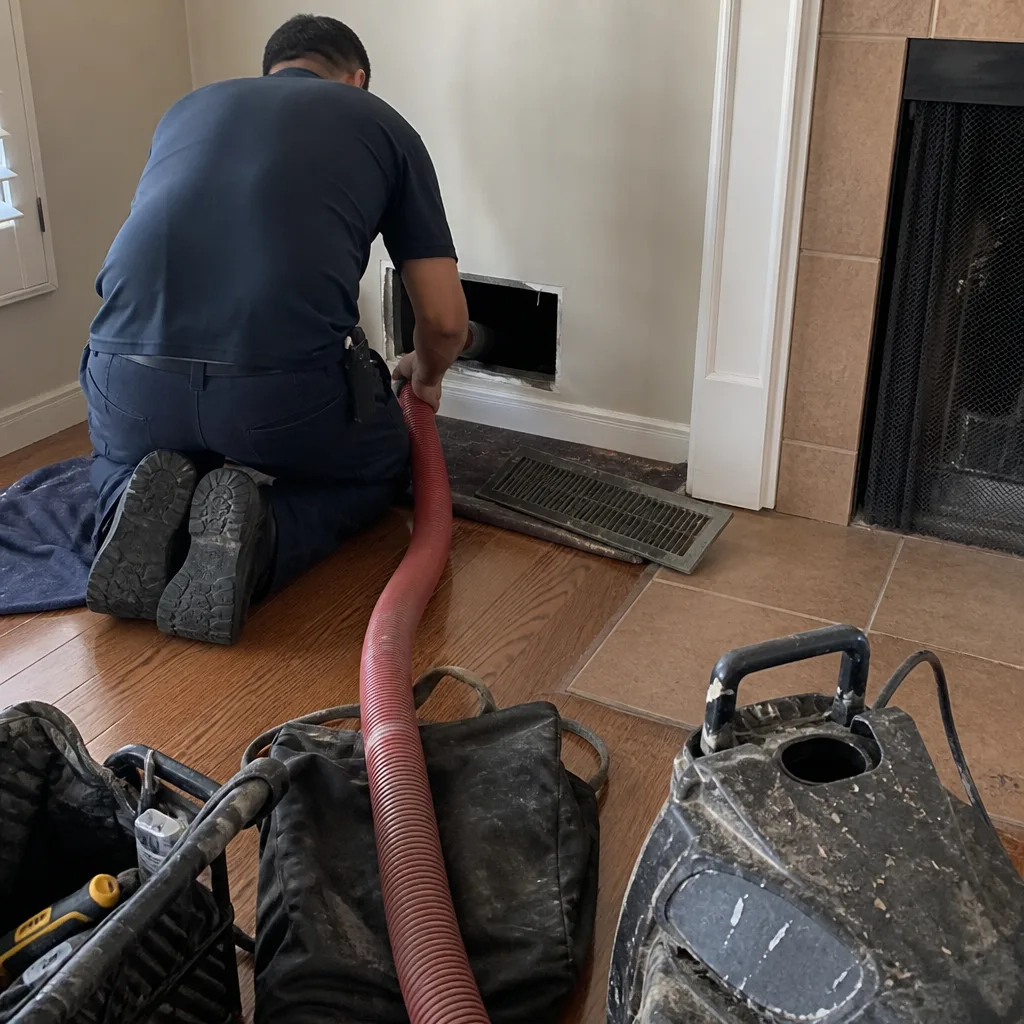 Before
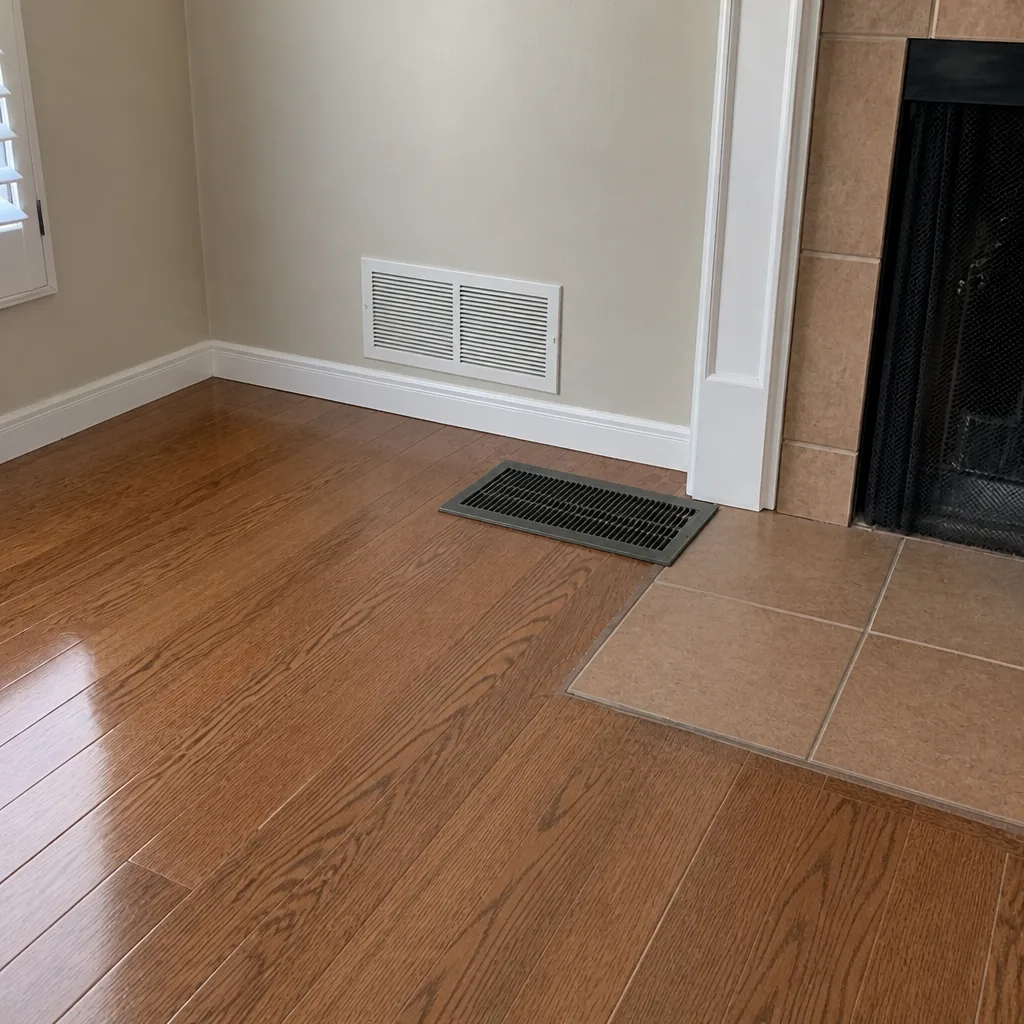 After
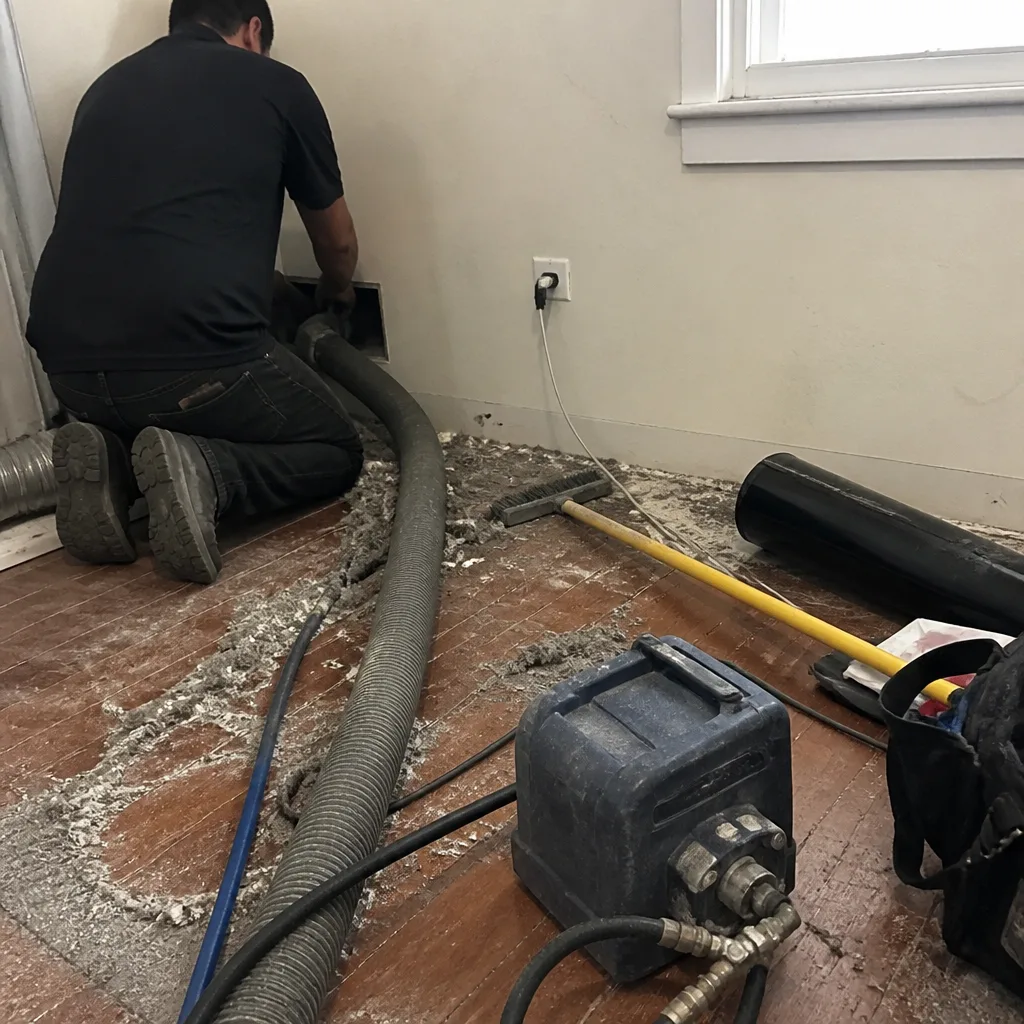 Before
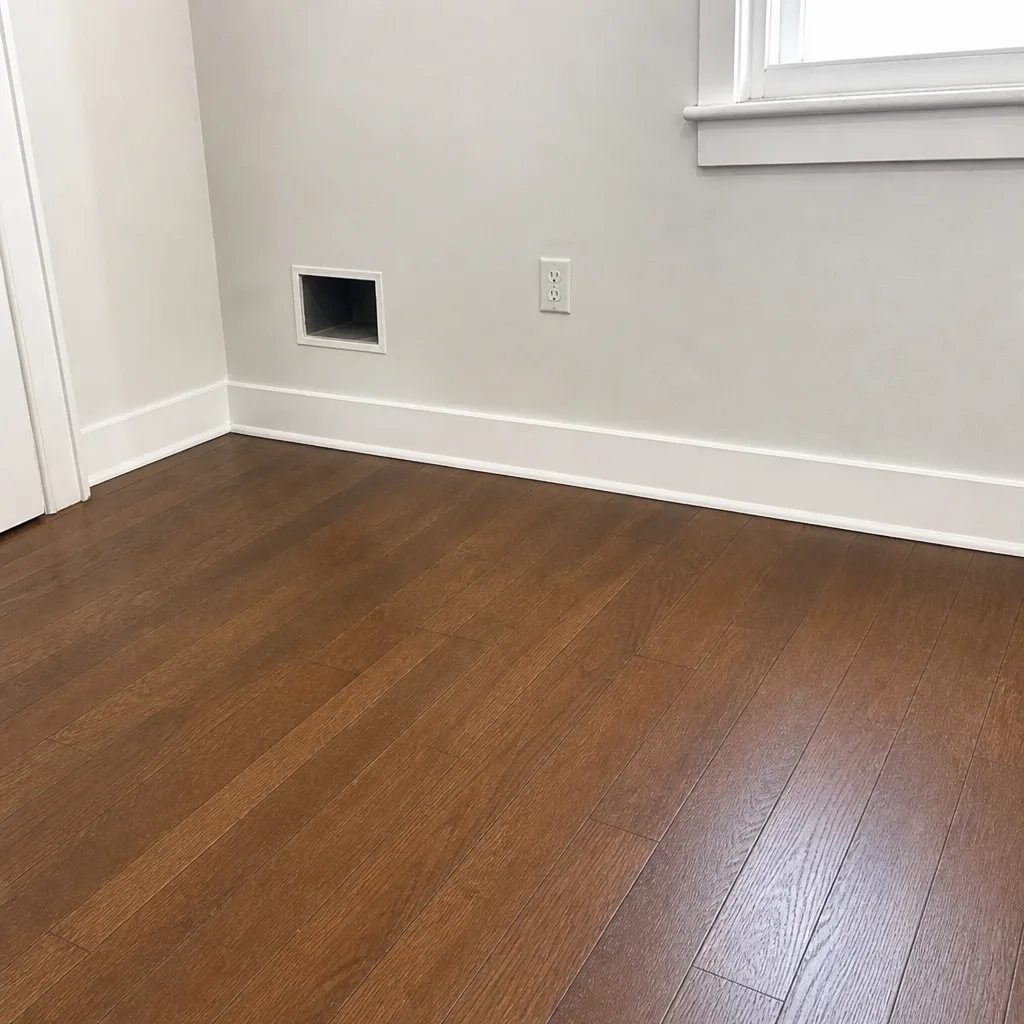 After