
Last updated November 4, 2026
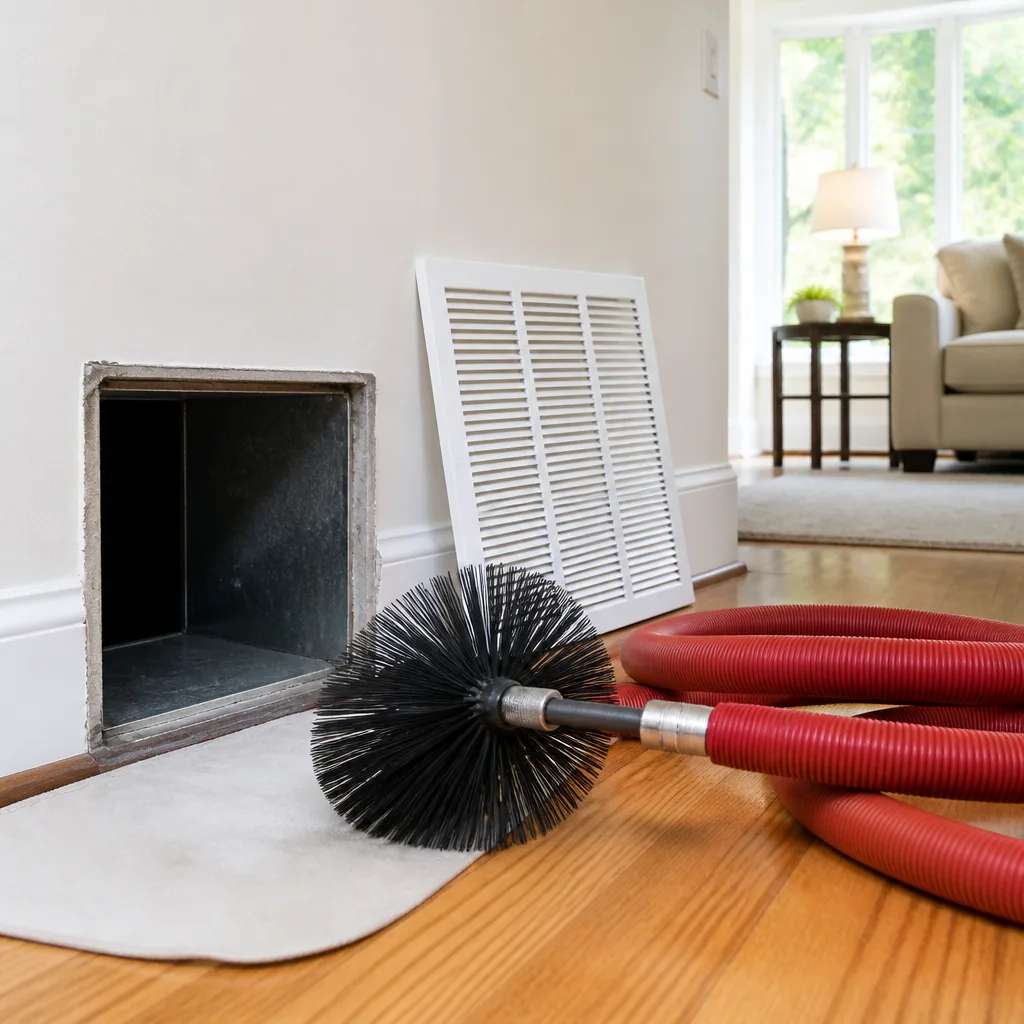 Whole-home duct cleaning
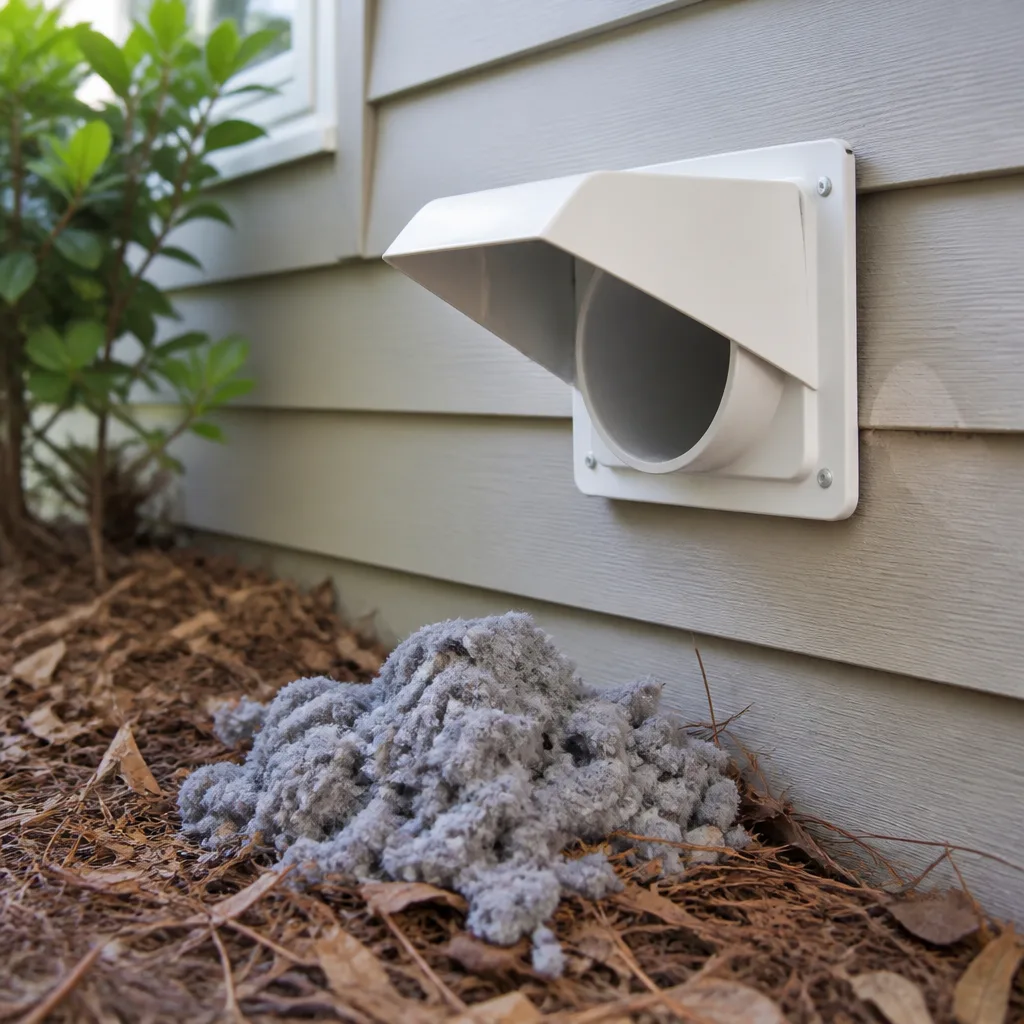 Dryer vent cleaning
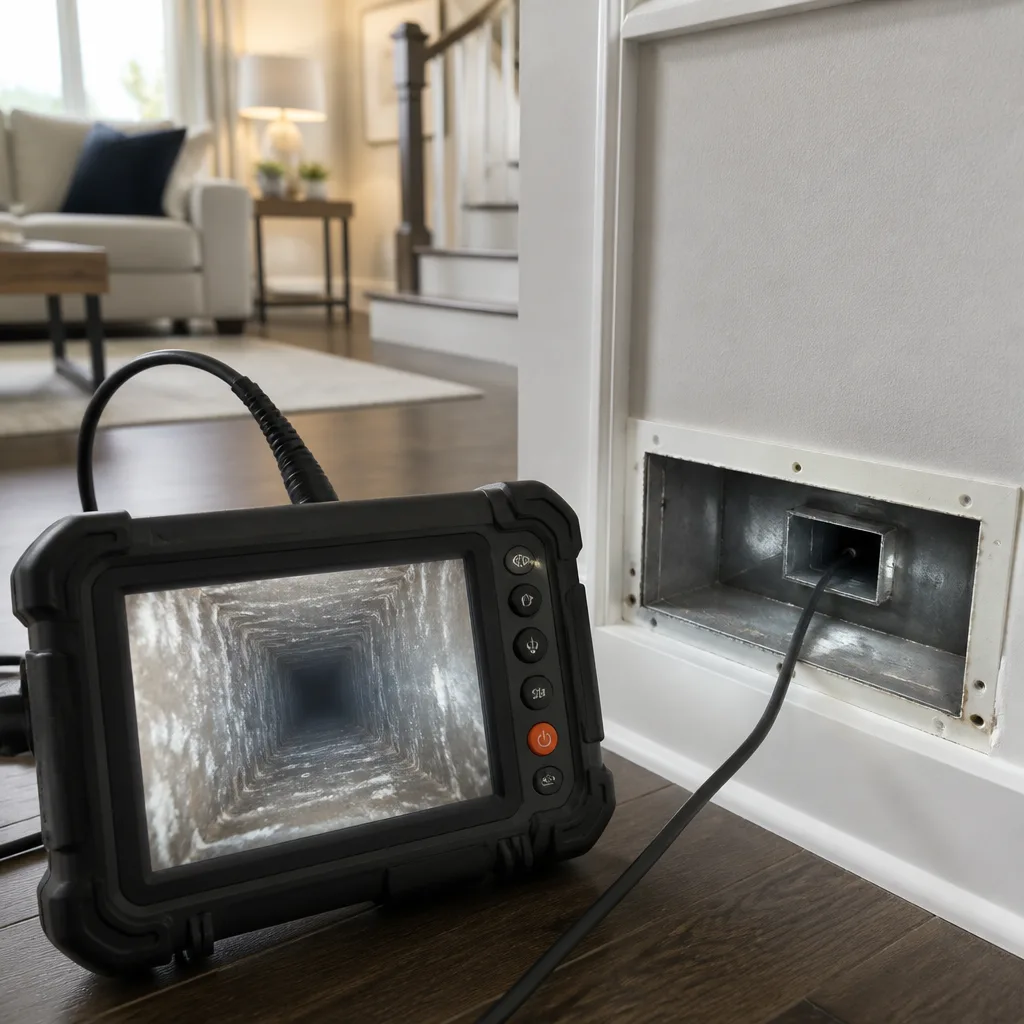 Camera inspection
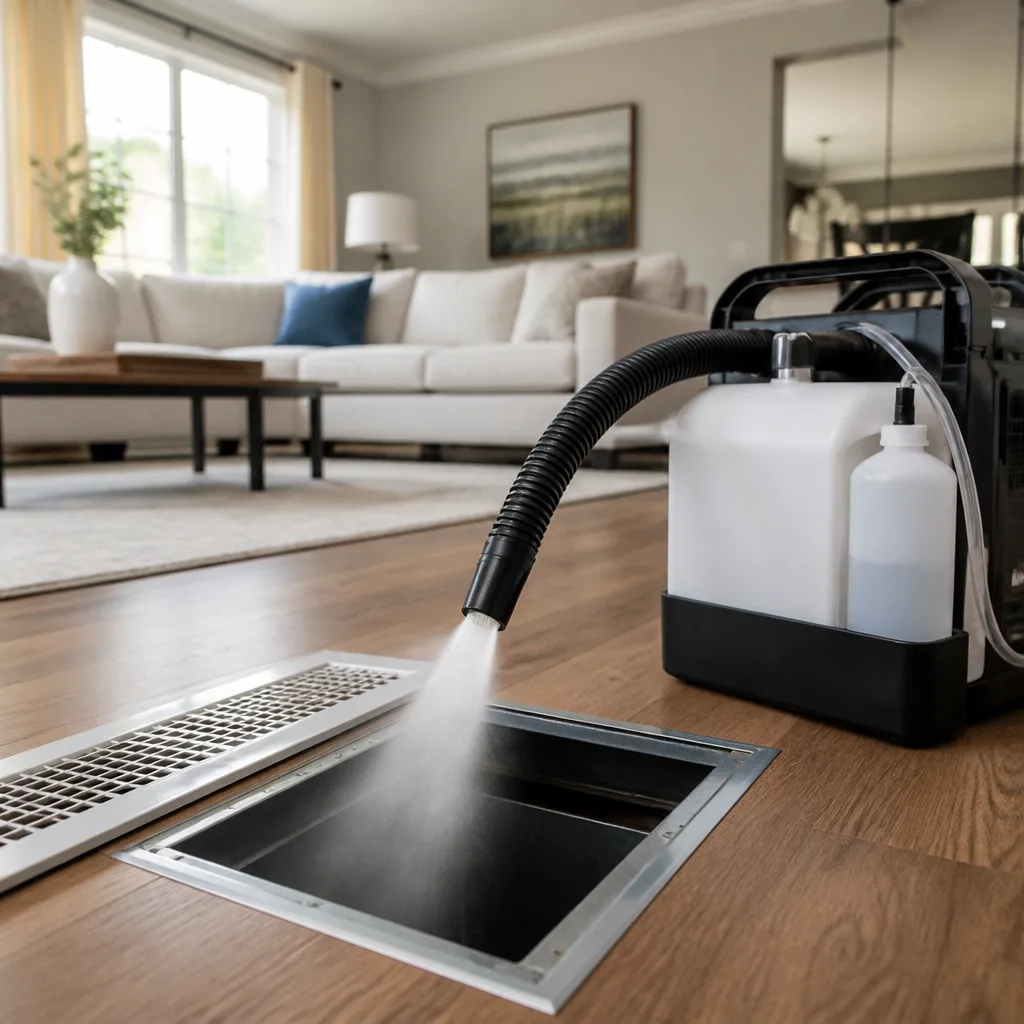 Sanitizing & deodorizing
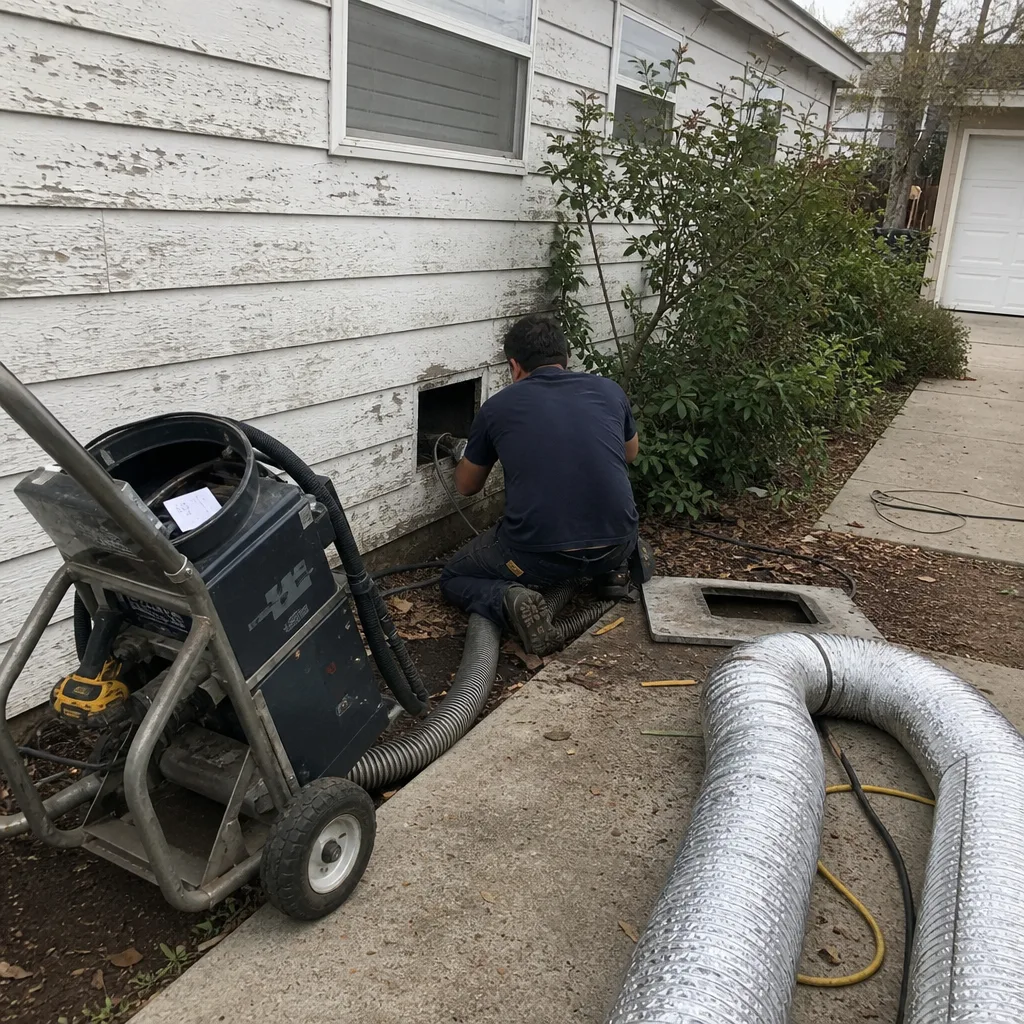
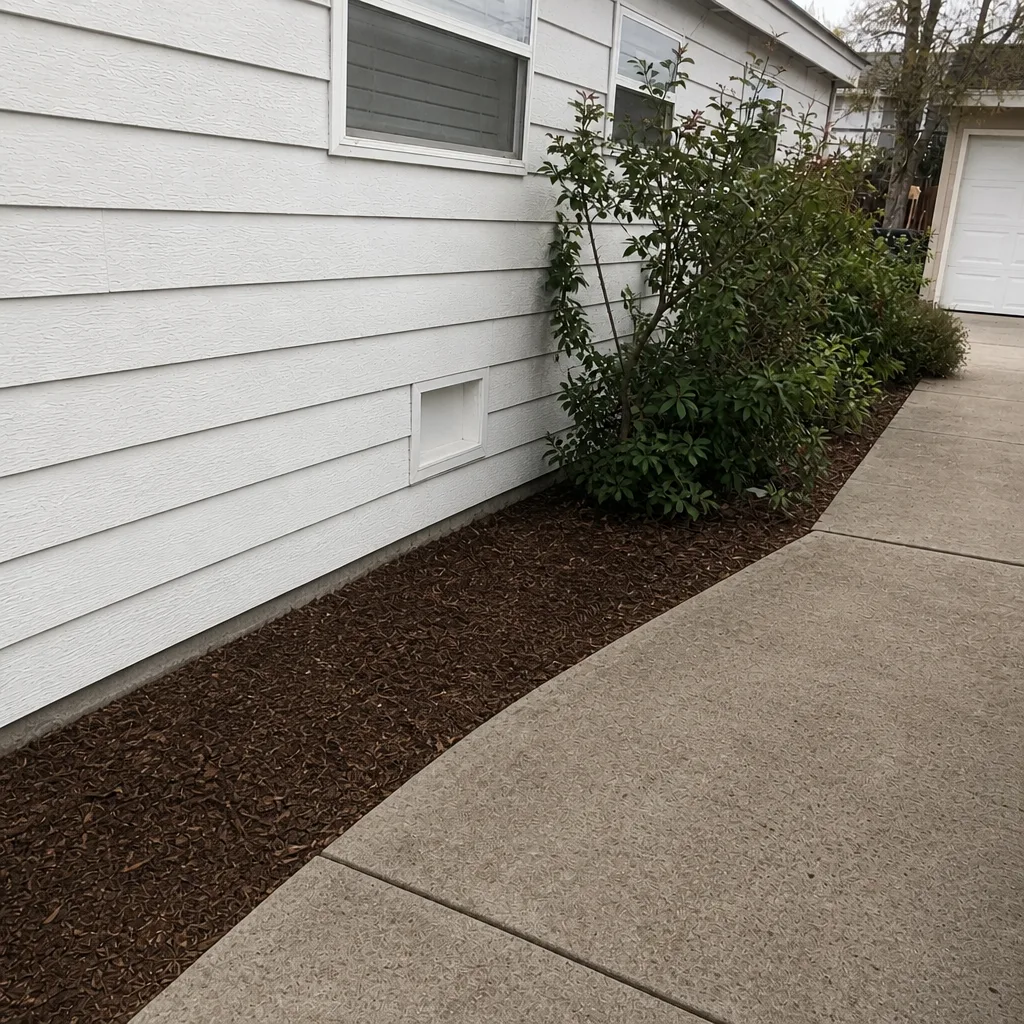
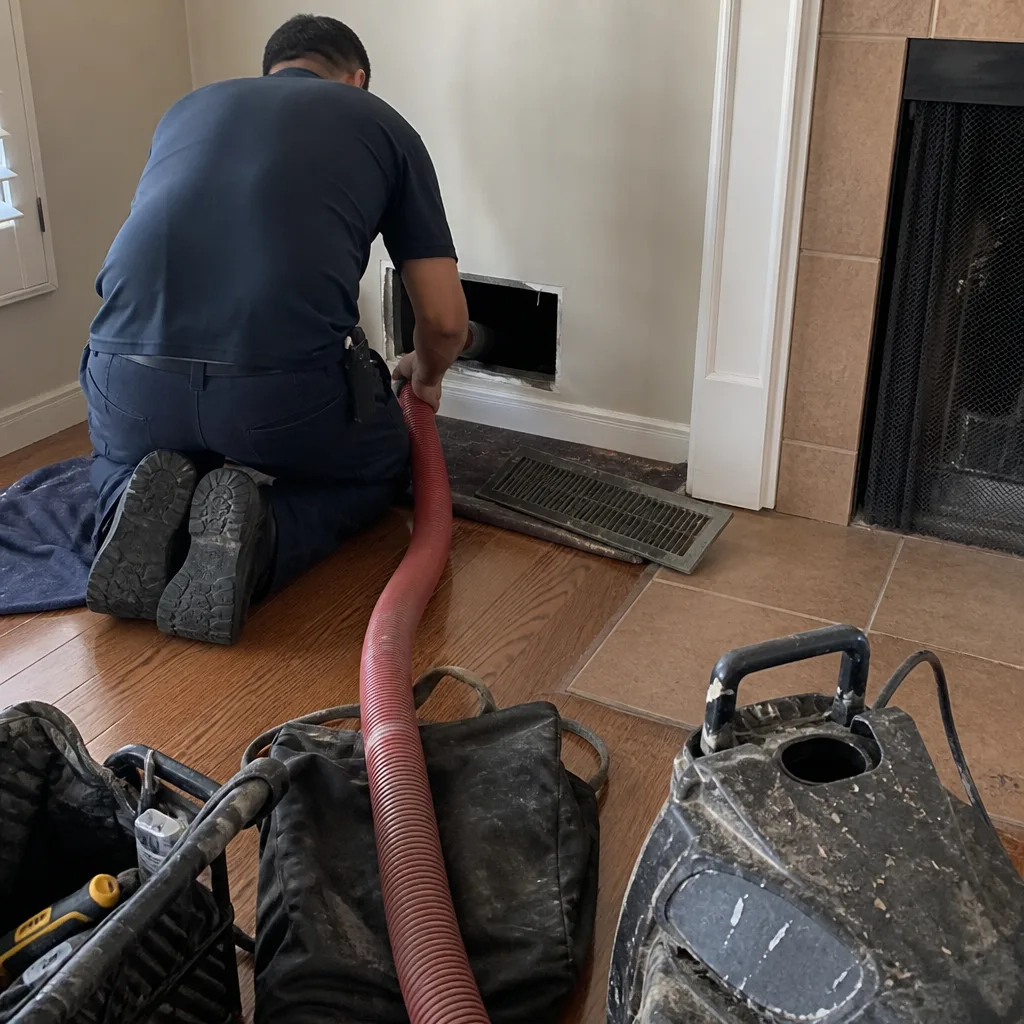
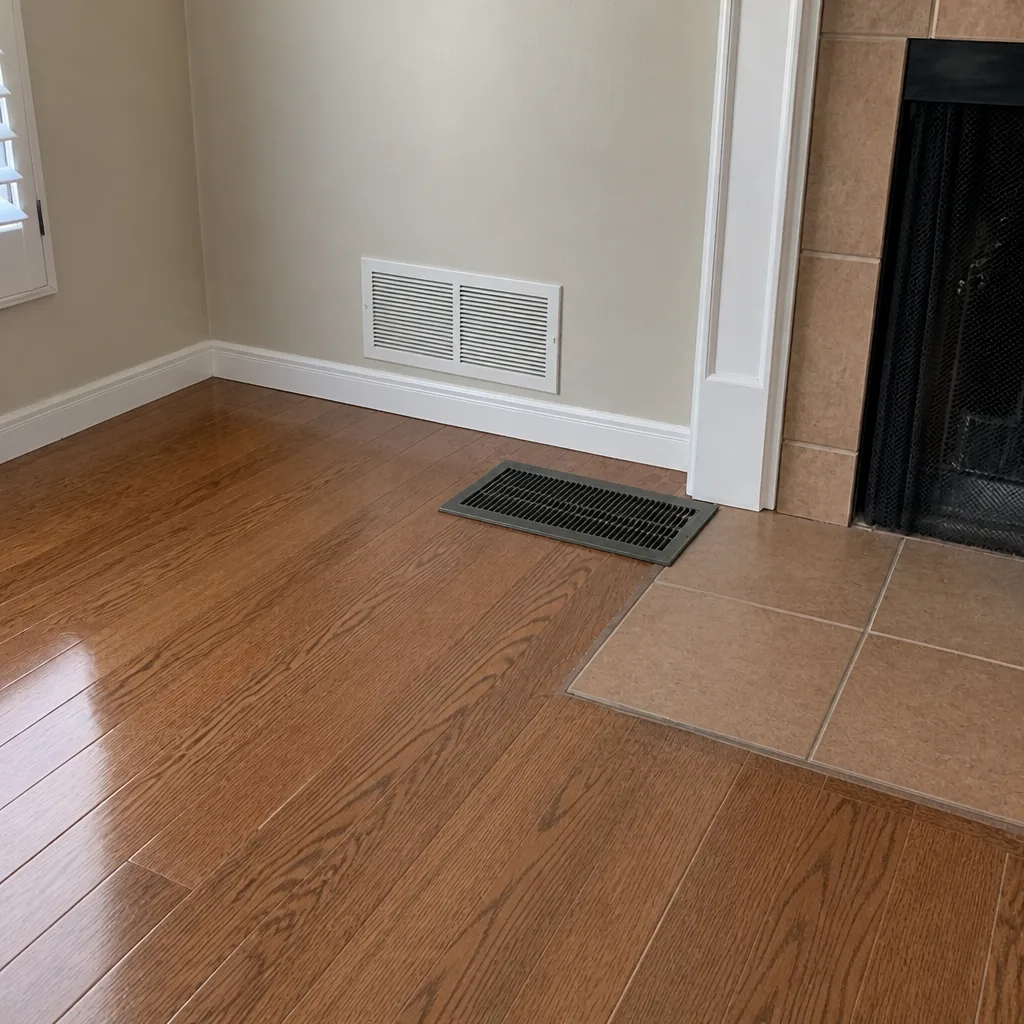
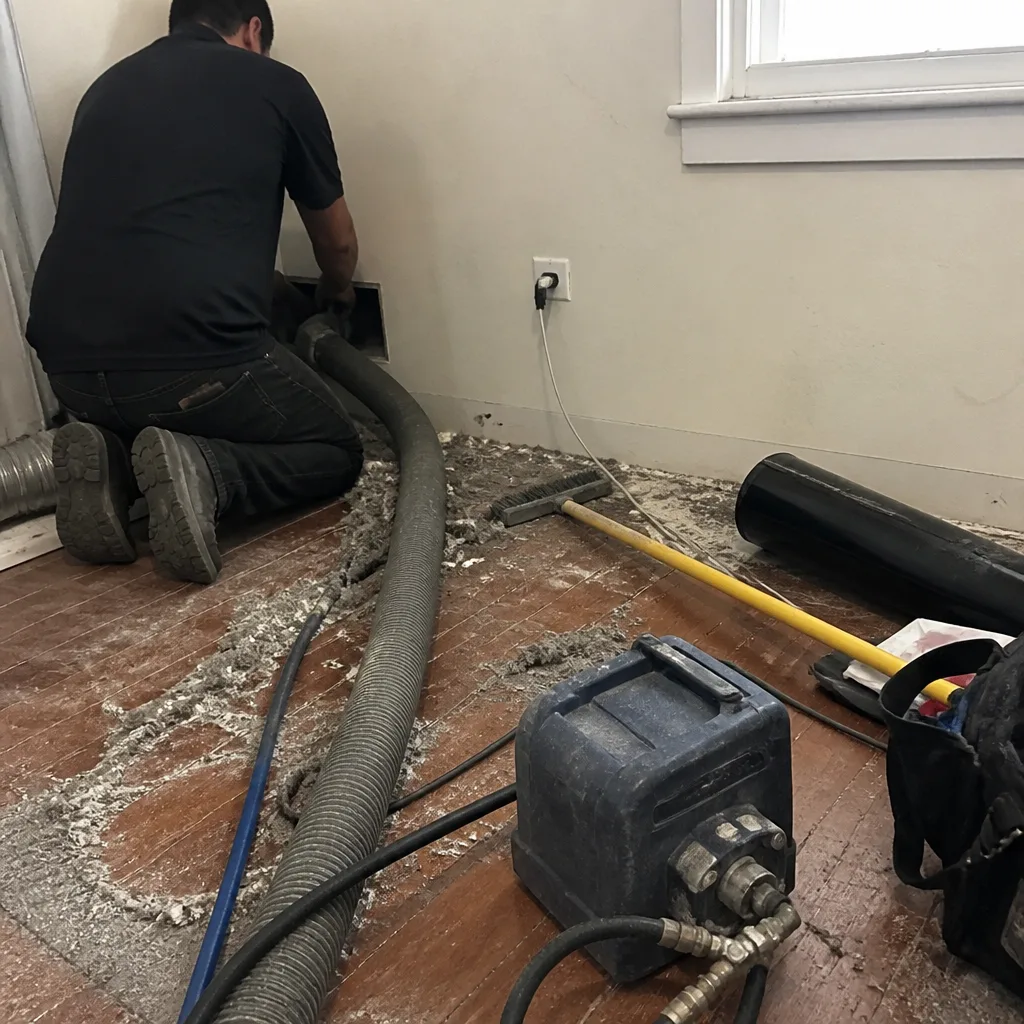
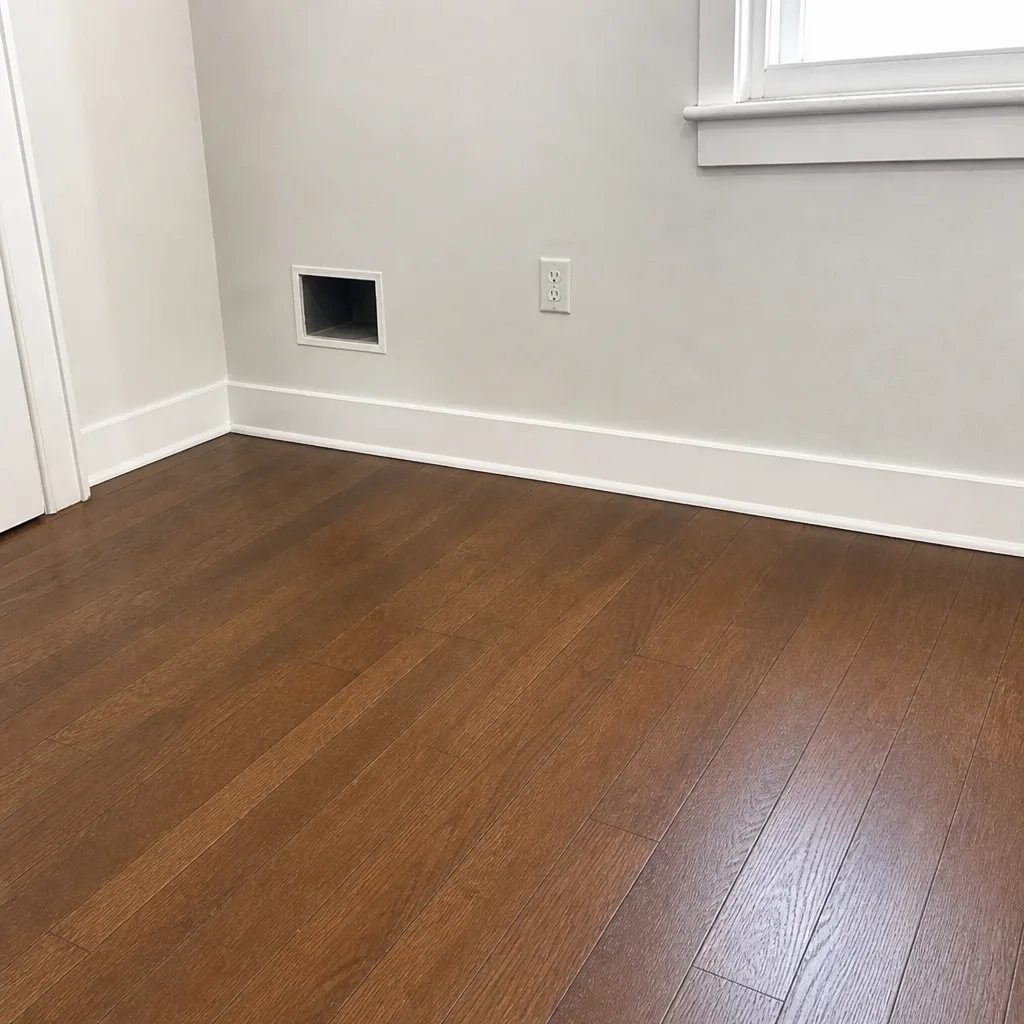
Whole-system duct and dryer vent check with before-and-after photos - you see exactly what came out of your vents
That "$99 whole-house special" is a bait ad - the real number appears once they are in your hallway, or the "clean" is a shop-vac at the register. We photograph the inside of your ducts before and after instead.
How to Hire an Air Duct Cleaning Contractor in Castro Valley: A Step-by-Step Guide
The $49 duct cleaning ad that keeps appearing in your Castro Valley feed is not an invitation to a cleaner home. It is a loss-leader engineered to get a technician inside your house with a shop vac and a clipboard, after which the real invoice starts climbing. California does not require a specific state license to clean air ducts, which means the barrier to entry is a van and a magnetic sign. That puts the entire burden of vetting on you, the homeowner. This guide walks through a step-by-step framework for separating a contractor who can actually clean and verify a duct system from one who is running a coupon-bait operation. By the end, you will know exactly what equipment questions to ask, what a legitimate scope of work looks like, and how to confirm the job was done before you pay.
Styles & brands we work with
- Whole-home duct cleaning
- Dryer vent cleaning
- Camera inspection
- Sanitizing & deodorizing
Quick Answer
To hire an air duct cleaning contractor in Castro Valley, verify their California contractor license through the CSLB, then ask five equipment questions before booking: extraction CFM rating, agitation method, containment approach, HEPA filtration certification, and camera inspection capability. Demand a written scope of work that lists the number of vents, access points, air handler cleaning, and explicit exclusions. The price should be set per system before work begins, not per vent, and the final invoice should match the written estimate.
Table of Contents
- Step 1: Check the California Contractor License Before Anything Else
- Step 2: Ask the Five Equipment Questions That Separate Pros from Pretenders
- Step 3: Demand a Written Scope of Work Before You Book
- Step 4: Understand Pricing So the Estimate Is the Invoice
- Step 5: Know What Should Happen on the Day of Service
- Step 6: Verify the Work Was Actually Done
- Step 7: Review the Report and Handle Repair Findings
- Common Mistakes to Avoid
- When to Call a Professional
- Frequently Asked Questions
- The Bottom Line
Step 1: Check the California Contractor License Before Anything Else
California uses the Contractors State License Board, or CSLB, to license contractors in dozens of classifications. The relevant one for duct work is C-20, the Warm-Air Heating, Ventilating and Air-Conditioning classification. A C-20 holder is authorized to install, modify, and repair HVAC systems, which includes ductwork. That said, many legitimate duct cleaning companies operate under a general building classification or work as a specialty subcontractor. Ask the contractor for their license number, then verify it directly on the CSLB website. Do not rely on a printed business card or a van wrap. A valid license means the contractor has passed a trade exam, carries a bond, and maintains worker’s compensation coverage for employees. In Castro Valley, where many homes were built in the 1950s through the 1980s, older duct systems often need more than a surface cleaning, and a licensed contractor is accountable to the state if something goes wrong.
If a company tells you they do not need a license because they only clean ducts, that is a red flag. It may be technically true that no duct-cleaning-specific license exists in California, but any company performing work in your home should be able to show some form of contractor registration or a clear explanation of their legal standing. We list our license status plainly and can verify it on request. The point is not to punish a small operator. The point is to make sure the person entering your crawlspace and touching your air handler is accountable to a regulator, not just to a Yelp page.
Step 2: Ask the Five Equipment Questions That Separate Pros from Pretenders
Most homeowners evaluate a duct cleaning quote by comparing the price. That is a mistake, because the industry has no standard for what “cleaning” means. One company might run a brush through the supply registers and call it done. Another might clean the entire trunk line, the return plenum, and the air handler interior. The only way to know which you are getting is to ask about equipment. Here are the five questions to ask before booking, and what the answers reveal.
1. What is the extraction CFM rating on your vacuum unit?
CFM stands for cubic feet per minute, and it measures how much air the extraction unit moves. A shop vac moves roughly 100 to 200 CFM. Professional truck-mounted or portable extraction units used in duct cleaning move 2,000 CFM or more. The difference matters because loosened debris will drift back into the room if the vacuum cannot pull hard enough to capture it at the source. In our work, we use Nikro HEPA-rated extraction equipment designed for this exact purpose: to capture loosened particulates while they are still airborne inside the duct, before they re-enter the living space. If a company cannot tell you the CFM of their extraction unit, they probably do not know it, and that tells you everything.
2. How do you agitate the debris off the duct walls?
Dust that has baked onto the inside of a return duct for 30 years will not move with a gentle vacuum pass. It requires mechanical agitation, the same way a stain requires scrubbing before rinsing. Rotobrush rotary brush systems are the recognized standard in professional duct cleaning for exactly this reason. The rotating brush head contacts the duct walls and dislodges debris that a vacuum alone cannot move. We run Rotobrush agitation alongside Nikro extraction, because the two actions are complementary: one breaks the bond, the other removes the debris. A contractor who arrives with only a vacuum and a hand brush is not cleaning the ducts. They are sweeping the accessible surfaces.
3. Do you use negative pressure containment during the cleaning?
Negative pressure means the air inside the duct system is kept at a lower pressure than the air in the rest of the house. This matters because any breach in the ductwork, whether intentional for access or accidental from age, becomes an inward draft rather than an outward leak. Contaminants cannot escape into the living space because the airflow is moving in the opposite direction. We run Abatement Technologies negative-pressure containment units during service for this reason. The equipment holds the ductwork under negative pressure while agitation and extraction are occurring, so any loosened particulate is pulled toward the extraction point rather than pushed into the bedroom. If a contractor does not mention containment or negative pressure at all, they are not thinking about what happens to the dust they knock loose.
4. Is your extraction HEPA-filtered?
HEPA stands for High-Efficiency Particulate Air, and it refers to a filter standard that captures 99.97% of particles at 0.3 microns. A vacuum unit without HEPA filtration will capture visible dust but exhaust finer particulates back into the air near the unit, which defeats the purpose of the cleaning. Ask specifically whether the extraction unit is HEPA-rated. A yes or no answer is all you need. “It’s a really good filter” is not the same thing.
5. Will you show me the inside of the ducts before and after?
A company that uses a camera inspection before the job starts and after it is complete is demonstrating that the work is verifiable. A company that refuses camera access is signaling that the work will not survive scrutiny. Ask for before-and-after photos of the air handler, the return plenum, and at least one supply branch line. These images should be provided after the job as part of the final report. If a contractor balks at this request, cancel the booking.
Step 3: Demand a Written Scope of Work Before You Book
The single most effective protection against bait-and-switch pricing is a written scope of work that describes exactly what the job includes and what it does not include. Ask the contractor to put the following items in writing before you agree to anything.
- Number of supply vents and return registers included. The count should match your home. If the written scope says “up to 10 vents” and you have 14, the price will change. Count your own vents before the estimate.
- Access points and how they will be created. Professional duct cleaning typically requires cutting access into the main trunk line and the return plenum. The scope should state how many access points will be cut, where they will be placed, and how they will be sealed and capped afterward.
- Air handler cleaning included or excluded. The air handler, which includes the blower motor and evaporator coil, is the heart of the system. If it is not cleaned, the freshly cleaned ducts will be re-contaminated the first time the fan runs. The scope should state whether the air handler is part of the job or billed separately.
- What is explicitly not included. A legitimate scope of work includes exclusions. This is not a trick. It is clarity. If the return plenum is not included, it should say so. If the dryer vent is a separate line item, it should say so. Exclusions tell you the contractor has thought about the job honestly.
- The total price and the payment terms. The final number should be written down. Not a range, not an estimate subject to change, but a fixed price per system that only changes if the contractor discovers a condition that could not have been known before the work began, and even then, the change must be approved in writing before any additional work happens.
In Castro Valley, homes range from mid-century ranchers in Castro Valley proper to larger two-story builds in Palomares Hills and the ridgelines. Duct systems differ wildly in layout and access difficulty. A written scope of work is how a contractor demonstrates they have thought about your specific house, not just a generic vinyl-sided box.
Step 4: Understand Pricing So the Estimate Is the Invoice
Duct cleaning pricing in the Bay Area is not standardized, but legitimate operators tend to price per system, not per vent. A whole-system price for a typical 1,500 to 2,500 square foot single-family home in Castro Valley generally falls between $400 and $800, depending on the number of systems, the accessibility of the air handler, and whether the dryer vent is included. If you live in a larger home with multiple HVAC systems, the price scales accordingly. The key distinction is that a reputable contractor gives you one flat price per system before the work begins, and the final invoice matches the written estimate unless something genuinely unexpected is discovered and approved in writing.
Be suspicious of a company that prices per vent. A $29-per-vent price on a 12-vent home is $348, which sounds reasonable until the technician arrives and the count becomes 18 vents, plus the air handler, plus a “decontamination treatment” that was never mentioned. That is how the coupon-bait model works. The low number on the ad gets the technician in the door, and the technical-looking add-ons do the real selling. A per-vent price is not inherently dishonest, but it requires you to count every vent yourself and pin the contractor to the total before the work begins. Most homeowners do not do that, which is exactly why the model exists.
When we price a job, the price is set per system before the work begins, with the written scope of work attached. The price does not change because the technician finds a dusty return plenum. A dusty return plenum is the reason you called.
Step 5: Know What Should Happen on the Day of Service
The day-of-service process is where you can watch the contractor’s process credibility in real time. A legitimate duct cleaning in Castro Valley should look like a controlled operation, not a rushed vacuum session. Here is what a professionally run visit involves.
- Equipment staging. The technician should arrive with a professional-grade extraction unit, an agitation system, containment equipment, and access tools. If they arrive with a portable shop vac and a single hand brush, you are watching a homeowner-grade cleaning, not a professional service.
- System inspection and photo documentation. Before any cleaning begins, the technician should inspect the air handler, the return plenum, and accessible duct sections. Photos should be taken at this stage. This establishes the baseline.
- Access point creation. The technician cuts access holes in the trunk line and return plenum. The cuts should be precise, placed at logical points for maximum coverage, and the removed sections should be retained for reinstallation.
- Containment setup. Negative-pressure containment should be established before agitation begins. This is where Abatement Technologies units come in: they hold the duct system under negative pressure so that when debris is dislodged, it is drawn toward the extraction point, not into the living space.
- Agitation and extraction. The Rotobrush rotary brush head travels through the ductwork, dislodging bonded dust and debris. The Nikro HEPA-rated extraction unit captures the loosened material at the source. This is the actual cleaning step, and it should be systematic, not sporadic.
- Air handler cleaning. The blower motor, fan housing, and accessible evaporator coil surfaces should be cleaned. If the air handler is skipped, the system will be re-contaminated the first time the fan runs, and the entire job is undermined.
- Access point sealing. The cut sections are reinstalled and sealed with mechanical fasteners and approved sealing materials. The access points should be airtight and clearly marked for future service.
- Final documentation. After photos are taken of the same locations as the before photos. The technician walks you through the images, notes any findings on duct integrity or repair needs, and leaves the job site clean.
If any of these steps are skipped or rushed, you have the right to ask why. A professional will have an answer that makes sense. An operator running a coupon special will dodge the question.
Step 6: Verify the Work Was Actually Done
The duct cleaning industry has a transparency problem. Ducts are out of sight, which means they are easy to claim to have cleaned and difficult to verify. This is the single strongest argument for working with a contractor who documents the work with photos. Before the job, the technician should show you the inside of the return plenum with the camera. It will likely be dusty, possibly with debris, pet hair, construction dust, or visible buildup on the duct walls. After the job, the technician should show you the same surfaces looking visibly different. The metal should look like metal. The coated surfaces should look like their original finish. You are not expecting a surgical clean, but the before and after should be obviously different.
Ask for photos of the air handler interior and the blower blades specifically. This is the component most likely to be skipped by a lazy operator, and it is also the component that directly affects how much dust re-enters the system after the cleaning. If the blower blades still look fuzzy in the after photo, the cleaning was incomplete. We provide before-and-after photo documentation on every job, because we believe a cleaning you cannot verify is a cleaning you should not pay for.
Step 7: Review the Report and Handle Repair Findings
A thorough duct cleaning will often reveal problems that were not apparent before. Duct sections may be disconnected. The return plenum may have gaps. The filter housing may be bent. A responsible contractor will document these findings in the final report and explain the implications clearly. A disconnected return duct means the system is pulling air from the crawlspace or attic instead of the living space, which means you are paying to condition air that never reaches the rooms. A gap in the trunk line means conditioned air is leaking into the wall cavity. These are not cosmetic issues.
This is where the difference between a cleaning-only company and a full-system provider becomes visible. At Duct Cleaning Castro Valley, we offer air duct cleaning as one leg of a three-discipline scope: cleaning, repair, and dryer vent safety. If we find compromised ductwork during a cleaning, we can quote the repair as a separate line item with its own written scope. You are not required to accept the repair quote, but you have the option to have the same crew that found the problem fix it, rather than scheduling a second company and repeating the diagnostic phase. Clean ducts are the start; sealed, intact ducts are the finish.
Common Mistakes to Avoid
- Hiring on price alone. The $49 special is a loss-leader. The company is not losing money on purpose; they are buying access to your house to upsell you. A legitimate whole-system cleaning costs real money because the equipment costs real money.
- Not counting your vents before the quote. If the written scope says “up to 10 vents” and you have 16, the price will change on the day of service. Count your own supply vents and return registers before you accept a quote.
- Accepting “no photos” as an answer. If a contractor will not provide before-and-after photo documentation, do not hire them. This is the single clearest red flag in the industry.
- Skipping the air handler. A duct cleaning that does not include the air handler is a partial job. The blower motor and fan blades hold a significant share of the system’s dust load, and they will re-contaminate the ducts the first time the fan cycles.
- Ignoring the dryer vent. Many homeowners treat the dryer vent as a separate concern, but it is part of the same ventilation system. A clogged dryer vent is a leading cause of residential structure fires, and it should be cleaned on the same visit if possible. We offer dryer vent cleaning as a dedicated service because it is a fire-risk checklist item, not an upsell.
- Not asking about containment. If the contractor does not mention negative pressure or containment, they are not prepared to protect your indoor air during the cleaning. Loosened dust belongs in the extraction unit, not the living room.
- Paying in full before seeing the report. Do not make the final payment until you have seen the after photos and reviewed the findings. Payment in full before verification removes your only leverage.
When to Call a Professional
Call a professional duct cleaning contractor if you have never had the ducts cleaned in a home you have occupied for more than a few years, or if you have just completed a renovation and suspect construction dust has entered the system. Pet owners who find hair accumulating around supply registers at an unusual rate, and allergy sufferers who notice symptoms worsening when the HVAC system runs, are both good candidates for a professional cleaning with documented results. If you have moved into a newly purchased home in Castro Valley with ductwork of unknown condition, a camera inspection is the fastest way to establish a baseline. Duct Cleaning Castro Valley offers free estimates in Castro Valley. Call (855) 382-9257. We answer 24/7. Fast dispatch from 7am to 7pm, Sunday through Friday.
Frequently Asked Questions
A typical whole-system air duct cleaning for a single-family home in Castro Valley runs between $400 and $800, depending on the size of the system, the number of air handlers, and whether the dryer vent is included. The price should be fixed per system before the work begins, not priced per vent. A per-vent price creates a moving target that invites add-on charges once the technician is in the house. Call (855) 382-9257 for an exact quote. Estimates are free.
Cheap quotes usually mean cheaper equipment, fewer steps, or a bait-and-switch model where the advertised price covers only a fraction of the actual system. A company running a $49 special is not cleaning the ducts at a loss; they are buying an appointment to upsell you on work that should have been included in the first quote. A legitimate whole-system cleaning requires professional equipment, a trained technician, and several hours of work, and it cannot be done profitably for $49.
You should receive before-and-after photo documentation of the air handler, the return plenum, and at least one supply branch line. The after photos should show visibly different surfaces, not just a claim on the invoice. If a contractor will not provide photos, do not hire them. A cleaning you cannot verify is a cleaning you should not pay for.
Routine duct cleaning typically does not require a building permit in most California jurisdictions, but if the cleaning reveals damaged ductwork that requires repair or replacement, the repair work may fall under local building code requirements. Ask your contractor about the distinction, and check with the Castro Valley building department if a significant repair is recommended.
Most homes benefit from a professional duct cleaning every 3 to 5 years, though homes with pets, recent renovations, or occupants with severe allergies may benefit from more frequent service. The interval depends on how much particulate the system pulls from the living space and how well the filtration system is maintained. A camera inspection is the fastest way to determine whether the ducts are due.
A full-system provider handles air duct cleaning, air duct repair, and dryer vent cleaning under one roof, which means the same technician who finds a disconnected duct can quote and complete the repair without a second diagnostic visit. Duct Cleaning Castro Valley offers this full-scope service for Castro Valley homeowners, using Rotobrush agitation, Nikro HEPA extraction, and Abatement Technologies containment as the core equipment stack. Call (855) 382-9257 for a free estimate.
The Bottom Line
Hiring an air duct cleaning contractor in Castro Valley comes down to process verification. Check the license. Ask the five equipment questions. Demand a written scope of work that includes the vent count, access points, air handler cleaning, and explicit exclusions. Set the price per system before work begins, and refuse to pay the final invoice until you have seen before-and-after photos. The difference between a $49 coupon job and a legitimate whole-system cleaning is not the advertising; it is the equipment, the documentation, and the willingness to show you the work. Choose a contractor who will show you the inside of your ducts, not just the outside of the estimate.
Written by the team at Duct Cleaning Castro Valley, serving Castro Valley since 2012.
See the difference
 Before
 After
 Before
 After
 Before
 After