
Last updated November 4, 2026
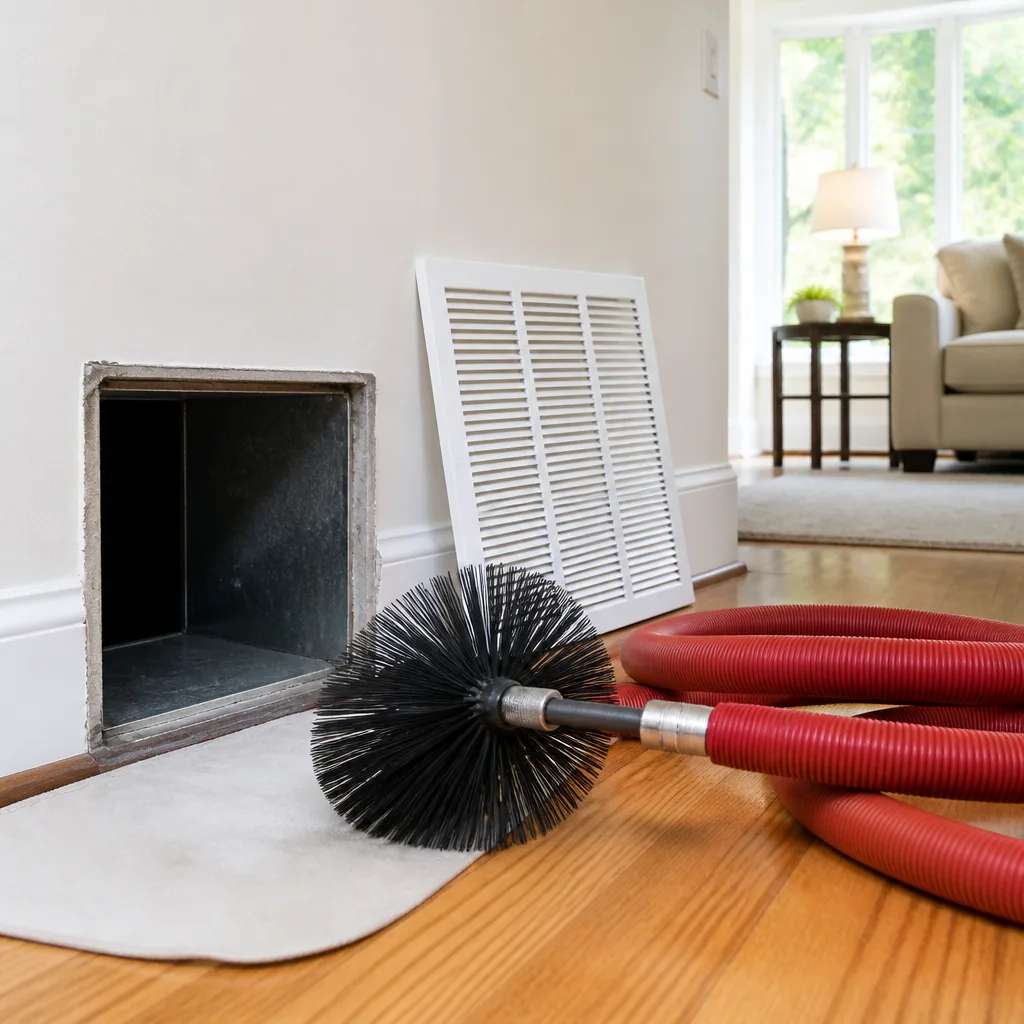 Whole-home duct cleaning
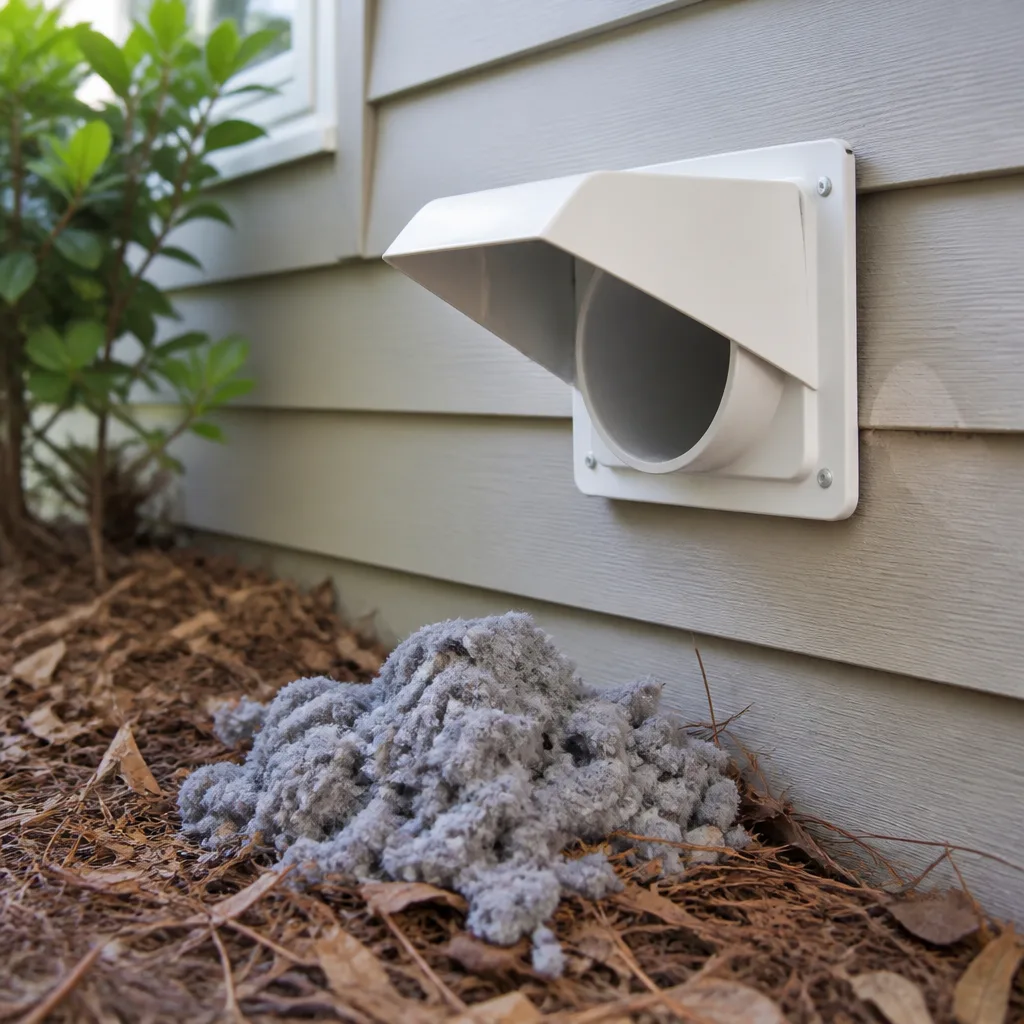 Dryer vent cleaning
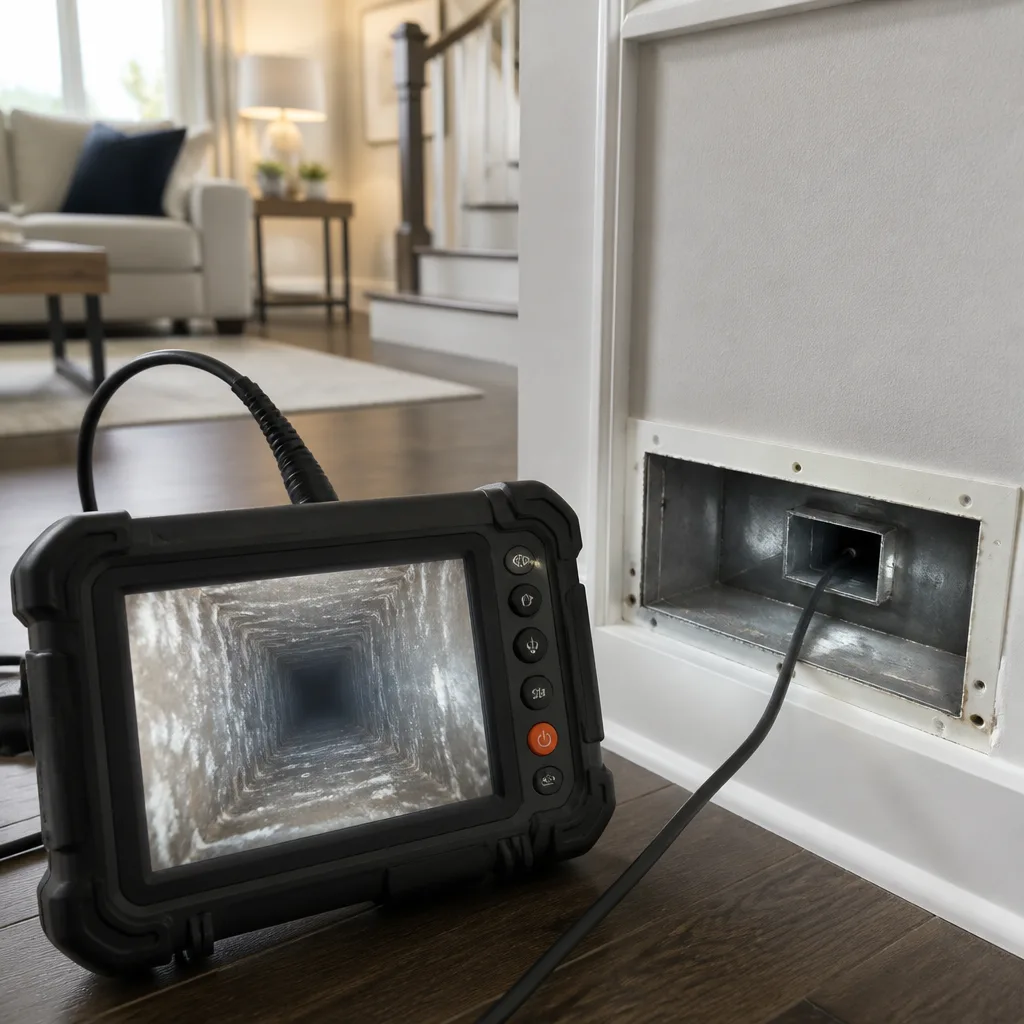 Camera inspection
 Sanitizing & deodorizing
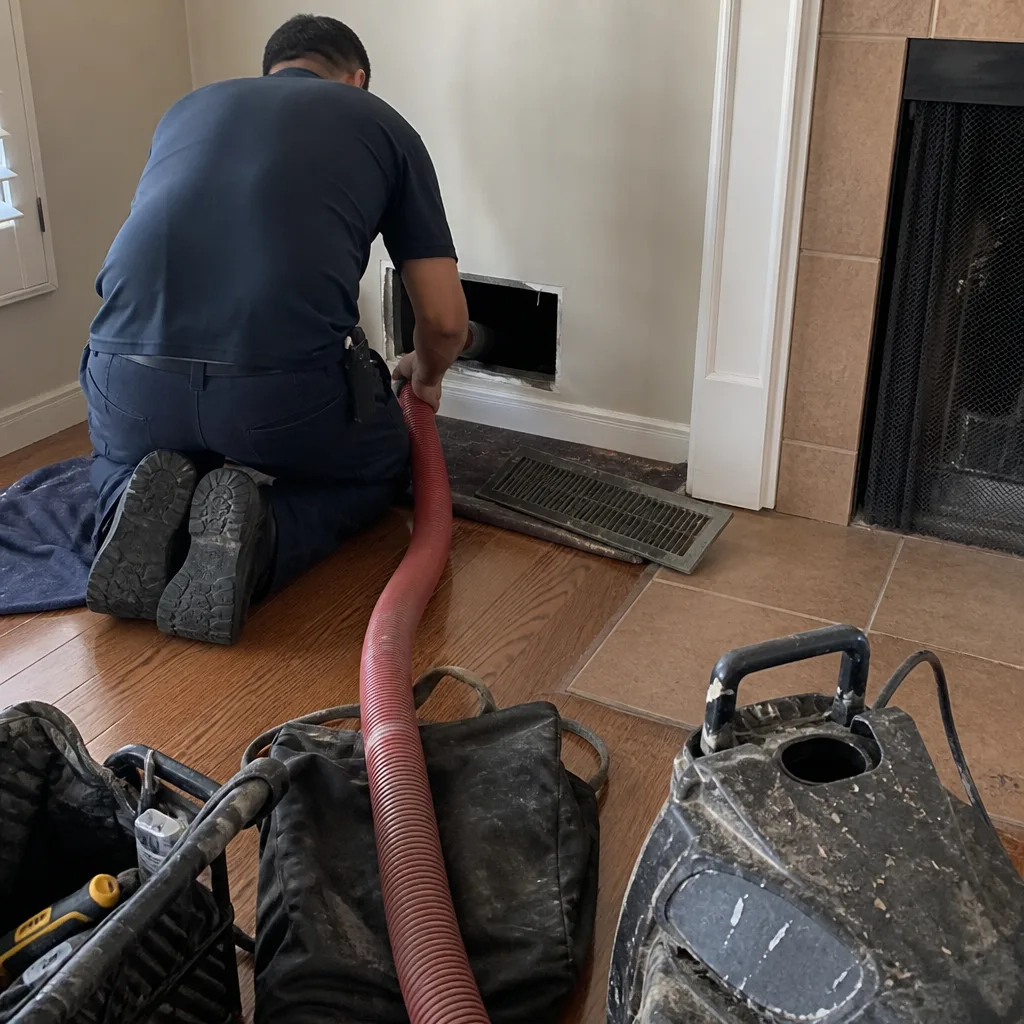
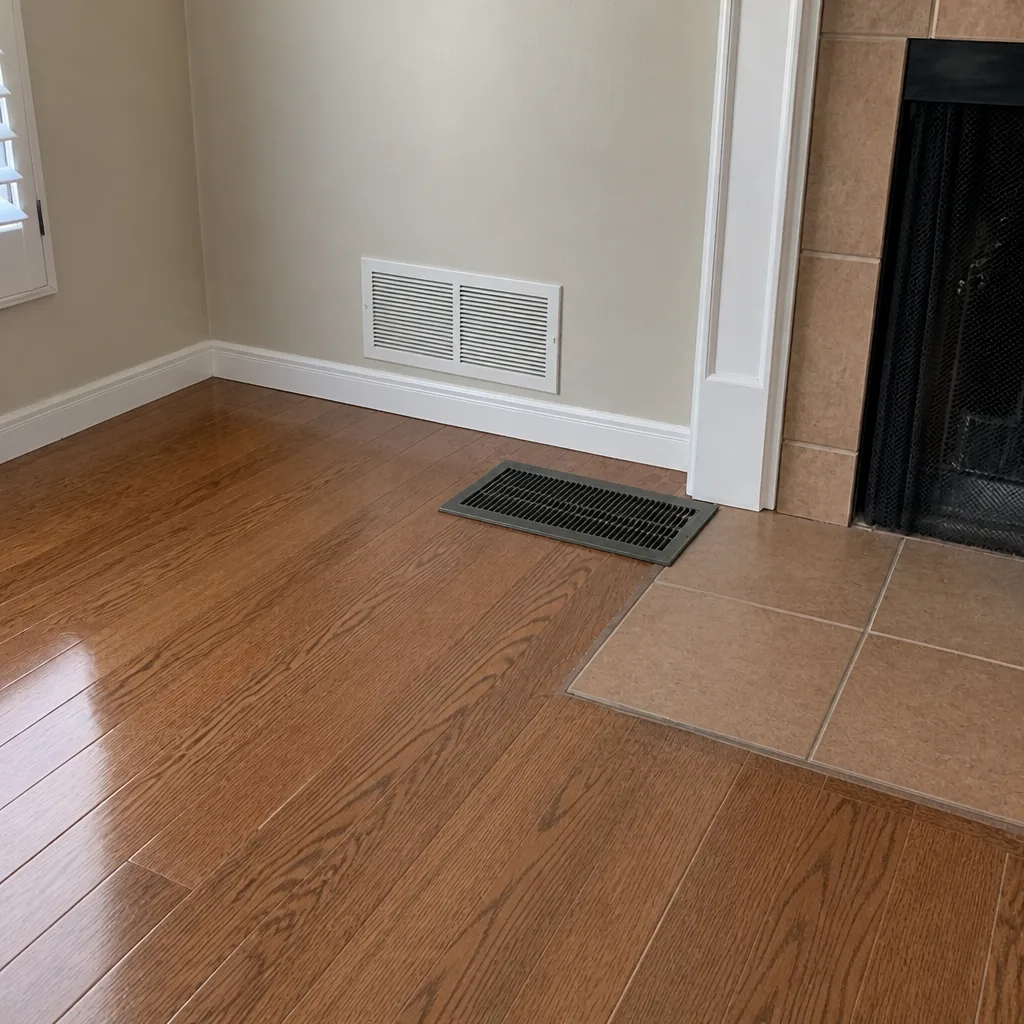
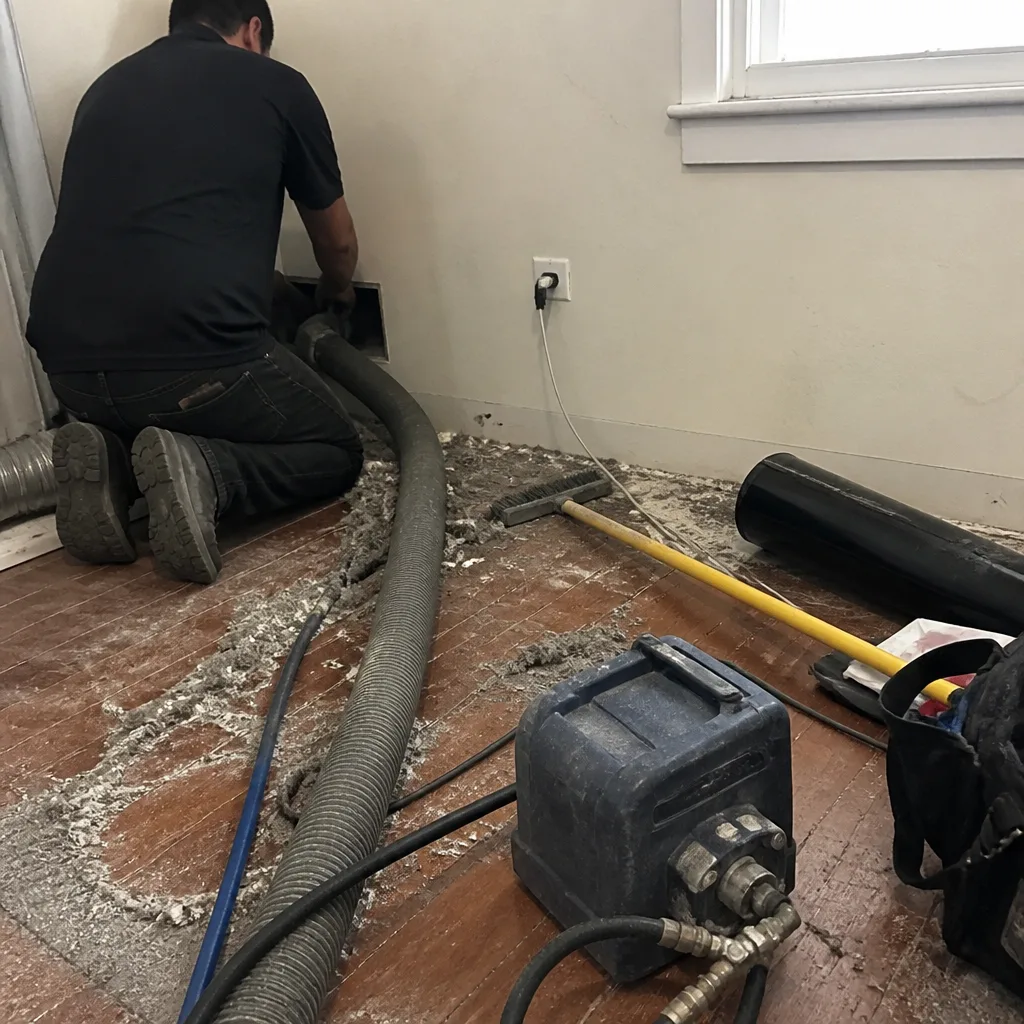
Whole-system duct and dryer vent check with before-and-after photos - you see exactly what came out of your vents
That "$99 whole-house special" is a bait ad - the real number appears once they are in your hallway, or the "clean" is a shop-vac at the register. We photograph the inside of your ducts before and after instead.
Air Duct Cleaning Troubleshooting in Castro Valley: Common Problems and How to Fix Them
If one room in your Castro Valley house is always eight degrees warmer than the rest, your HVAC technician will probably blame the unit. The real culprit is usually a collapsed flex duct or a disconnected trunk line that nobody has looked at since the day it was installed. This guide walks through the symptoms that get misdiagnosed as equipment failure, the specific mechanical causes hiding inside your duct system, and what actually resolves each one. Most of what we’ll cover here comes from inspecting ducts in 1970s ranchers near Stanton Middle School and Eichler-style homes with slab ductwork across the Castro Valley hills, where the same failure patterns show up again and again.
Styles & brands we work with
- Whole-home duct cleaning
- Dryer vent cleaning
- Camera inspection
- Sanitizing & deodorizing
Quick Answer
The most common air duct problems in Castro Valley fall into five categories: collapsed or kinked flex duct causing uneven airflow, disconnected boots leaking conditioned air into attics, breached return ducts pulling dusty attic air into the living space, standing moisture in duct lining creating musty odors, and deteriorating fiberglass duct board shedding particles through registers. Each has a specific visual or pressure-based diagnostic signature. Most require physical repair, not just cleaning, and a shop vac will not fix any of them.
Table of Contents
- Why Is One Room Always Hotter or Colder? Uneven Airflow Explained
- Musty Smell Coming From Your Vents: Moisture in the Duct Lining
- Excess Dust on Your Furniture: Breached Return Ducts and Attic Air
- How to Do a Basic Visual Inspection Yourself Before Calling Anyone
- Why a Shop Vac and Brush Will Not Fix Mechanical Failures
- HEPA Extraction and Negative Pressure: What Testing Reveals That Visual Checks Miss
- Castro Valley Duct Failure Profiles: Eichler Slab Ductwork and 1970s – 1990s Duct Board
- Common Mistakes to Avoid
- When to Call a Professional
- Frequently Asked Questions
- The Bottom Line
Why Is One Room Always Hotter or Colder? Uneven Airflow Explained
Uneven airflow is the most common duct complaint we hear from homeowners around Castro Valley, and it is almost never the furnace or air handler. The HVAC unit pushes air through the entire duct network at once. When one room stays warm in August while the hallway is freezing, the equipment is working. Something in the duct path to that room is restricting the flow.
In our experience, there are three causes worth checking before you spend money on a service call:
- Collapsed flex duct: Flexible ducts are spiral-wire tubes wrapped in insulation. They sag, kink, and collapse over time, especially in attics where Castro Valley’s summer heat bakes the outer jacket. A collapsed section can reduce airflow to a room by half or more, and you will feel almost nothing at the register even with the fan on full.
- Disconnected boot: The boot is the metal transition piece where a duct meets the register in the floor or ceiling. Installers sometimes tape these rather than fastening them with screws and mastic. When the tape fails, the boot separates. Conditioned air dumps into the attic or crawlspace instead of the room. The register still feels like it is blowing, but it is pulling air across the gap rather than forcing it through.
- Kinked or pinched trunk line: A trunk line is the main duct running from the plenum. If it was run too tight through a joist cavity or pinched by a strap, the entire branch system downstream suffers. This is common in older Castro Valley homes where ducts were retrofitted into spaces never designed for them.
The fix for each is mechanical. A collapsed flex duct gets replaced or re-supported. A disconnected boot gets re-secured with screws and sealed with mastic. A pinched trunk line gets re-routed or re-sized. Air duct cleaning will not change airflow to a starved room, because the problem is geometry, not dirt. You need a repair before the system can perform the way it was designed to.
Musty Smell Coming From Your Vents: Moisture in the Duct Lining
A musty odor that comes and goes with the fan means the smell is being generated inside the duct system, not in the room itself. In Castro Valley, the source is usually standing moisture in the duct lining or insulation, and the most common cause is a condensation problem in the attic or crawlspace.
Here is the sequence we typically find during inspection. Warm, humid air from the living space meets a cold duct surface in an unconditioned attic. Condensation forms on the inside of the duct. If the duct has a fiberglass lining or internal insulation, that material absorbs the moisture. Once it stays damp, microbial growth begins, and the musty odor is pushed through the registers every time the blower runs.
Three things make this worse in Castro Valley specifically. First, many homes here were built before attic ventilation was standard, so attics hold heat and humidity far longer than they should. Second, fiberglass duct board was the default material for a lot of 1970s and 1980s construction in this area, and once duct board gets wet, it rarely dries out on its own. Third, homes without a whole-house dehumidifier or proper bathroom exhaust routing push moisture into the duct system during winter months when windows stay closed.
The fix is not just scrubbing the duct surface. Cleaning alone removes the visible residue but does nothing if the moisture source stays active. The correct sequence is: locate the condensation point, repair or replace the saturated duct section, seal the system so humid outside air cannot enter, and confirm the attic or crawlspace has adequate ventilation. Once the moisture is gone, cleaning removes the remaining odor. This is a repair job first and a cleaning job second, which is why we run Duct Cleaning Castro Valley as a full-system service rather than a surface wipe-down.
Excess Dust on Your Furniture: Breached Return Ducts and Attic Air
Every home in Castro Valley gets dust. But when you wipe a shelf on Sunday and it is gray again by Wednesday, you are not fighting normal settling. You are pulling air from somewhere it does not belong, and the usual suspect is the return side of the duct system.
The return ducts pull air from the rooms back to the air handler. When the system is sealed, that air comes from the living space, gets filtered, and recirculates. When a return duct has a gap, a crack, or a loose joint in the attic, the fan keeps pulling, but now it is drawing attic air through the breach. Attic air in Castro Valley is full of fiberglass insulation particles, dust from roofing materials, and whatever else has settled on the attic floor. That air bypasses the filter entirely. It goes straight into the air handler, and from there, it is pushed out of every supply register in the house.
The symptom is dust that accumulates quickly and evenly across multiple rooms, often accompanied by a slight insulation smell when the fan first kicks on. The tell is that the air feels dirty even after the filter is changed, because the filter is not the problem. The leak is.
Finding a breached return duct is not always visual. A gap can be on the top side of a duct run, hidden against the roof decking. But the repair is straightforward: seal the breach with mastic and mechanical fasteners, re-wrap the insulation, and confirm the seal with pressure testing. We also check the air handler cabinet itself. A loose filter slot, a missing access panel, or an open condensate port can pull in air from the same attic that should never reach the living space.
This is one of the reasons we use Abatement Technologies negative-pressure containment during service. It is not just about keeping dust out of your living room while we work. Running the system under negative pressure exposes leaks that would otherwise go unnoticed, because the pressure imbalance makes air rush toward any gap. A visual inspection alone rarely finds what testing under pressure does.
How to Do a Basic Visual Inspection Yourself Before Calling Anyone
Before you pick up the phone, there are a few checks you can do in fifteen minutes that will tell you a lot about what is going on. You do not need tools beyond a flashlight and a screwdriver, and none of these steps involve opening anything dangerous. If you see something that looks wrong, it probably is.
Here is the walk-through we recommend for Castro Valley homeowners:
- Check every register for airflow. With the fan running, hold a piece of tissue or a strip of paper at each register. Compare rooms. If one register barely moves the paper while another flutters strongly, you have a restriction or a disconnect somewhere in the branch line to that register. Do not assume the room is just far from the unit. Distance matters less than a kink.
- Remove one register cover and look inside the boot. Use a screwdriver to take off the cover, then shine a flashlight down into the metal boot. You are looking for visible gaps between the boot and the floor or drywall, heavy dust buildup at the joint, or evidence the duct has pulled away from the opening. In slab foundation homes, which we have in significant numbers across Castro Valley, you are looking into a channel that runs under the floor, and a disconnected boot here means conditioned air is going under the house.
- Open the air handler cabinet and check the filter slot. Turn off the system first. The filter should fit snugly with no gaps around the edges. A filter that rattles around inside the slot lets unfiltered air bypass it. While you are there, note whether the cabinet door seals tight. A warped or loose door on the return side of the handler pulls air from around the unit rather than through the duct system.
- Go into the attic and look at accessible duct joints. Bring your flashlight. You are looking for sections of flex duct that have separated at the metal collars, sagging runs that look like a kinked garden hose, and any place where a strap has pulled loose. Pay attention to joints where the duct connects to a boot or a trunk line. These are the most common failure points in any attic, and Castro Valley’s summer heat cycles do not make older tape and mastic last any longer.
- Note the condition of the duct material itself. If you see fiberglass duct board, you should know it was standard for many Castro Valley homes built between the 1970s and early 1990s. Look for black staining, which indicates moisture, and crumbling edges at the joints. Duct board does not age gracefully, and once the interior surface starts to degrade, it sends fibers and particles through the system.
This inspection will not give you a complete diagnosis, but it will tell you whether you are dealing with a simple dust issue or something structural. The difference matters because the fix is not the same, and neither is the cost.
Why a Shop Vac and Brush Will Not Fix Mechanical Failures
The equipment a contractor brings tells you what they can actually do. A shop vac and a brush will remove loose dust from the inside of a duct. That is the entire scope of the service. They will not reconnect a boot, replace a collapsed flex run, seal a return leak, or remove saturated duct board. And if those mechanical failures exist, the cleaning will not solve the problem you called about.
Here is a scenario we see regularly. A homeowner in Castro Valley calls because one room never cools down. A cleaning tech arrives, runs a brush through the registers, shows the homeowner a vacuum full of dust, and leaves. The room is still hot, because the branch duct to that room was never connected properly in the first place. The dust was never the cause. The cleaning was not a fix. It was a surface treatment on a structural problem.
This is why the sequence matters. If a duct is disconnected, cleaning it is worse than useless, because the system is still leaking, still pulling attic air, and still underperforming. The repair has to happen before the cleaning, not after. Once the system is sealed and mechanically sound, cleaning is the finishing step that removes whatever has accumulated over years of use. But cleaning alone will never restore airflow to a room served by a collapsed flex duct.
Our service scope reflects this. We offer dryer vent cleaning and air duct repair alongside cleaning because a duct system that is broken is not ready to be cleaned. The repair comes first. The cleaning comes second. If a company will not discuss repair, they are not offering a complete service, and you will be calling someone else to fix what they missed.
HEPA Extraction and Negative Pressure: What Testing Reveals That Visual Checks Miss
The most useful diagnostic step in duct troubleshooting is not something you can see from inside the register. It is the pressure differential that reveals where air is moving when it should not be. When we run a duct system under negative pressure using Abatement Technologies equipment, we change the conditions inside the ductwork in a way that exposes every leak.
Here is how it works. During service, we create a vacuum on the duct system so that air is being pulled through the ducts at a controlled rate. In a sealed system, the pressure holds steady. In a leaking system, air rushes in through whatever opening exists. The leak might be a disconnected boot in the attic, a gap in a return duct, or a loose joint in the air handler cabinet. Under normal operating pressure, these leaks are quiet and invisible. Under negative pressure, they become measurable.
This is not just a cleaning step. It is a diagnostic tool. The negative pressure setup tells us whether the system is sealed well enough to clean effectively, because a badly leaking system will keep pulling attic or crawlspace air into the ducts during the cleaning process itself. If we do not seal the leak first, we cannot clean the system properly, because outside air keeps re-contaminating it as fast as we remove the old debris.
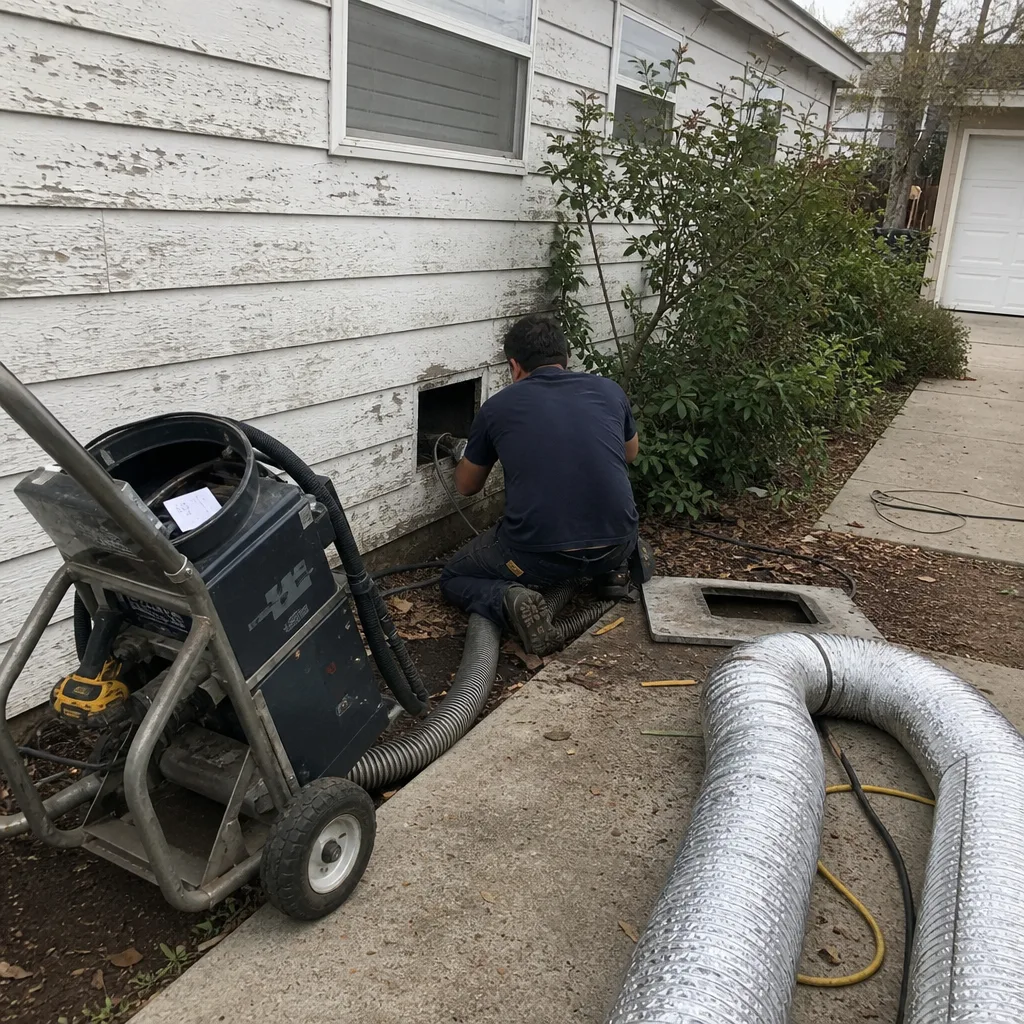
Nikro HEPA-rated extraction equipment covers the capture side. HEPA filtration means the dislodged particles go into the collection unit and stay there. They are not blown into the living room through a leaky bag or a standard filter. The agitation step, done with Rotobrush rotary brush systems, knocks material loose from the duct walls. The Nikro unit captures it. The Abatement Technologies containment keeps the whole system under control. That three-part sequence is what separates a professional duct service from a vacuum and a wand, and it is the only way to troubleshoot leaks and clean the system in the same visit.
Castro Valley Duct Failure Profiles: Eichler Slab Ductwork and 1970s – 1990s Duct Board
Certain housing stock in Castro Valley has predictable duct problems. If you live in one of these homes, you can skip most of the guesswork, because the failure profile is known.
Eichler-Style Homes with Slab Ductwork
Castro Valley has a meaningful number of Eichler-style homes, mid-century builds with flat or low-slope roofs, radiant heating, and in many cases, ductwork run through the concrete slab. The slab duct systems in these homes are prone to a specific set of problems: corrosion of metal ducts embedded in concrete, cracking in the slab channels, and vermin intrusion through unsealed registers. A broken slab duct leaks conditioned air into the ground, which means the system runs longer and harder to heat or cool the home. The telltale sign is a room that never reaches temperature even while the system runs constantly.
Repairing slab ductwork is more involved than attic work. It may require access from above, partial removal of flooring, or if the duct channel is too deteriorated, abandoning the slab run entirely and re-routing through the attic. We have spoken with homeowners in these homes who have spent years replacing HVAC components when the duct channel under the floor was the actual problem all along.
1970s – 1990s Homes with Fiberglass Duct Board
The other dominant profile in Castro Valley is fiberglass duct board installed in homes built from the early 1970s through the early 1990s. Duct board is rigid fiberglass insulation formed into duct sections. It was popular because it combines structure and insulation in one material, but it has a limited service life. After decades in an attic, duct board starts to break down. The interior surface, which was originally sealed and smooth, becomes rough and fibrous. The joints between sections separate. Moisture penetrates more easily, and the material holds it. Over time, particles from the degrading duct board travel through the registers and settle on surfaces around the home.
When we inspect homes in this age range across Castro Valley, we look closely at duct board condition before recommending any cleaning. If the material is saturated, crumbling, or separating at the joints, the right intervention is replacement, not cleaning. Repairing these sections restores airflow and eliminates the particle source. Cleaning alone would just disturb the damaged material and send more of it through the system.
If you have an older home in the Castro Valley area and have never had the ducts assessed, the Castro Valley housing stock has enough diversity that nearly every home built before 2000 falls into one of these two categories. Knowing which one you have tells you what to watch for.
Common Mistakes to Avoid
- Replacing the HVAC unit before inspecting the ducts. A new furnace or AC will not fix a collapsed flex duct or a disconnected boot. In Castro Valley homes with original ductwork, the ducts are often the older component and the one more likely to fail first.
- Sealing registers in unused rooms to improve airflow to other rooms. Closing registers in a forced-air system increases static pressure in the ductwork and can worsen leaks. It also does not address the actual restriction, which is usually in the duct path, not the register.
- Buying a stronger filter to solve dust problems. A higher MERV filter adds resistance to airflow and can strain an older blower motor. If dust is coming from a breached return duct, no filter will stop it, because the air is bypassing the filter entirely.
- Assuming a cleaning service will find and fix disconnected ducts. Most cleaning companies only clean. If they are not equipped or contracted to do repair, they will not mention a disconnected boot even if they see one, because it is outside their scope. Ask before you book.
- Ignoring musty odors because they are intermittent. The odor follows the fan cycle because the moisture source is inside the duct system. The longer a damp duct lining sits in the warm attic air of a Castro Valley summer, the harder it is to remediate. Intermittent is early. Early is cheaper.
- Cleaning slab ducts before inspecting them for cracks. In Eichler-style homes, if the slab channel is cracked or collapsed, cleaning will not restore airflow and may force debris further into the damaged section. The structural condition has to be assessed first.
When to Call a Professional
Some duct problems are visible and simple, but most are not. Call a professional when airflow to one or more rooms is significantly worse than the rest of the house, when the musty odor returns within days of cleaning, when dust accumulates at an abnormal rate across multiple rooms, when you find visible disconnections or collapsed duct sections in the attic, or when you live in an Eichler-style home with slab ductwork and cannot reach any of the duct channels directly. Duct systems are enclosed, run through difficult spaces, and carry the air you breathe in every room. If your inspection suggests something structural, a visual check from the attic ladder is not going to fix it.
Duct Cleaning Castro Valley offers free estimates in Castro Valley. Call (855) 382-9257. We answer 24/7. Fast dispatch from 7am to 7pm, Sunday through Friday.
Frequently Asked Questions
If airflow is uneven, if you see visible damage during an attic inspection, or if a pressure test reveals leaks, the system needs repair before cleaning will do any good. Cleaning removes accumulated dust from sealed, sound ducts. It cannot fix a disconnected boot, kinked flex duct, or breached return line. Do the visual inspection first, and if the problem is structural, do not pay for a cleaning that will not solve it.
The duct path to that room is restricted or disconnected, usually in a section of flex duct that has collapsed or a boot that has separated from the register. The HVAC unit is typically fine. Have the branch line to that room inspected, especially if your home is old enough to have original 1970s or 1980s ductwork. Call (855) 382-9257 for an exact diagnosis. Estimates are free.
A persistent musty odor means moisture is trapped somewhere in the duct system, usually in fiberglass duct lining or saturated duct board. The moisture supports microbial growth that the fan then distributes through your living space. It should not be ignored, and cleaning alone will not fix it. The moisture source has to be found and the damaged material replaced. If the smell returns after cleaning, the underlying moisture problem was never addressed.
You can inspect the registers, filter slot, and accessible attic joints on your own, and doing so will tell you a lot about what is wrong. But effective cleaning requires professional-grade agitation and HEPA-rated extraction. A household vacuum will not reach the interior surfaces of the duct runs and will not capture fine particles. If you suspect a leak or a disconnection, do not attempt repairs yourself. Improperly secured ducts can separate further and worsen the problem.
Every 3 to 5 years is reasonable for most homes, but the right schedule depends on the condition of the system and the household. Homes with pets, recent renovation work, or smokers need more frequent service. Homes with fiberglass duct board from the 1970s through 1990s may need inspection more than cleaning, because the material itself degrades over time. The most honest answer is: inspect at the register, and clean when you see visible accumulation or when an inspection finds a failed duct component.
Because the contractor brings a shop vac and a brush, and their scope ends at loose dust removal. They will not find sealed or broken ducts, reconnect separated boots, or replace collapsed flex runs. A low quote usually reflects the equipment cost, not the value. If you have a mechanical problem, a cheap cleaning will not touch it, and you will pay twice: once for the cleaning that did not work, then for the repair that was needed all along. Call (855) 382-9257 for a straight answer on what your system actually needs.
The Bottom Line
Most duct problems in Castro Valley get misdiagnosed as HVAC failures when they are actually mechanical duct issues with specific, findable causes. A hot room is usually a collapsed flex duct or a disconnected boot. A musty odor is standing moisture in the duct lining. Dust everywhere points to a breached return side pulling attic air. None of these problems responds to a basic cleaning, because each is a structural failure that has to be repaired before the system can perform. The right order is diagnostic inspection, mechanical repair, then professional cleaning with HEPA extraction. Understanding that sequence, and knowing what you are looking at when you open a register or walk your attic, is the difference between solving the problem and paying for a service that never had a chance.
Written by the team at Duct Cleaning Castro Valley, serving Castro Valley since 2012.
See the difference
 Before
 After
 Before
 After
 Before
 After