
Last updated November 4, 2026
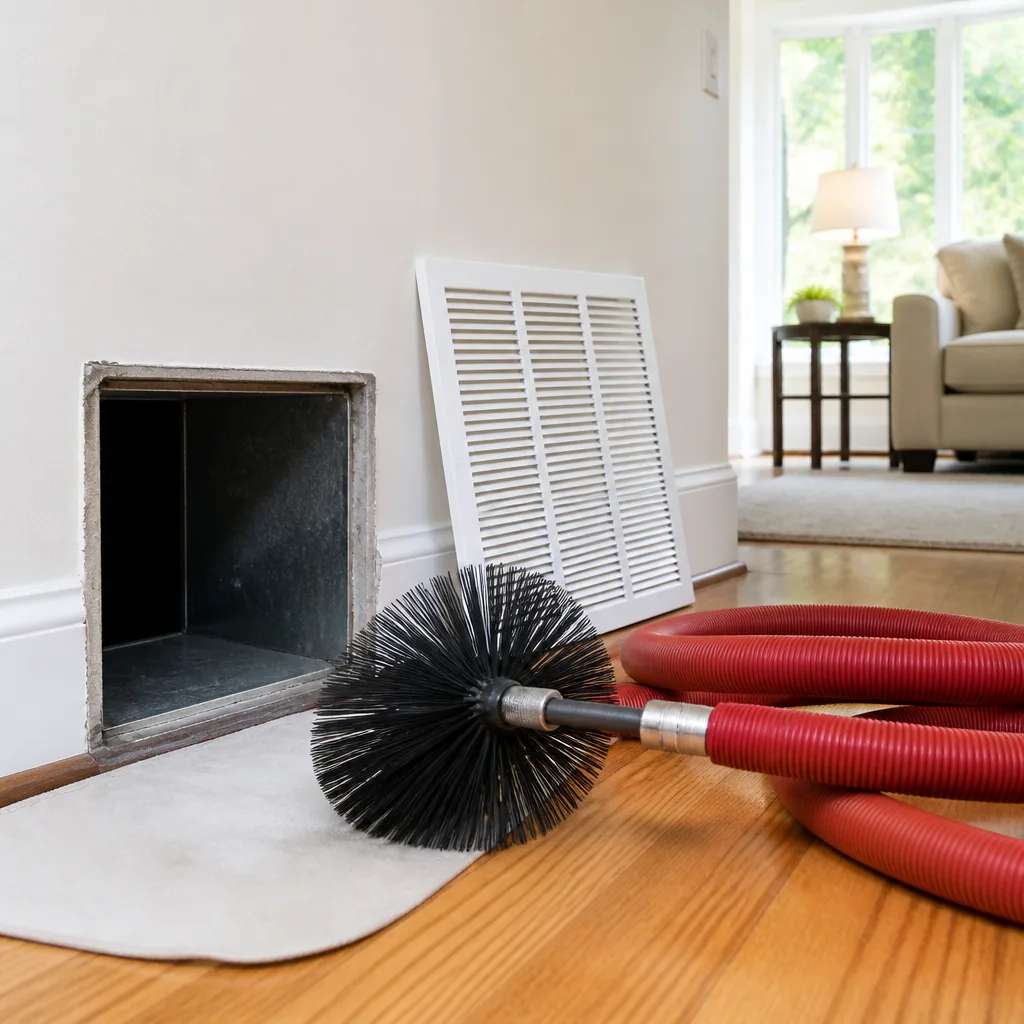 Whole-home duct cleaning
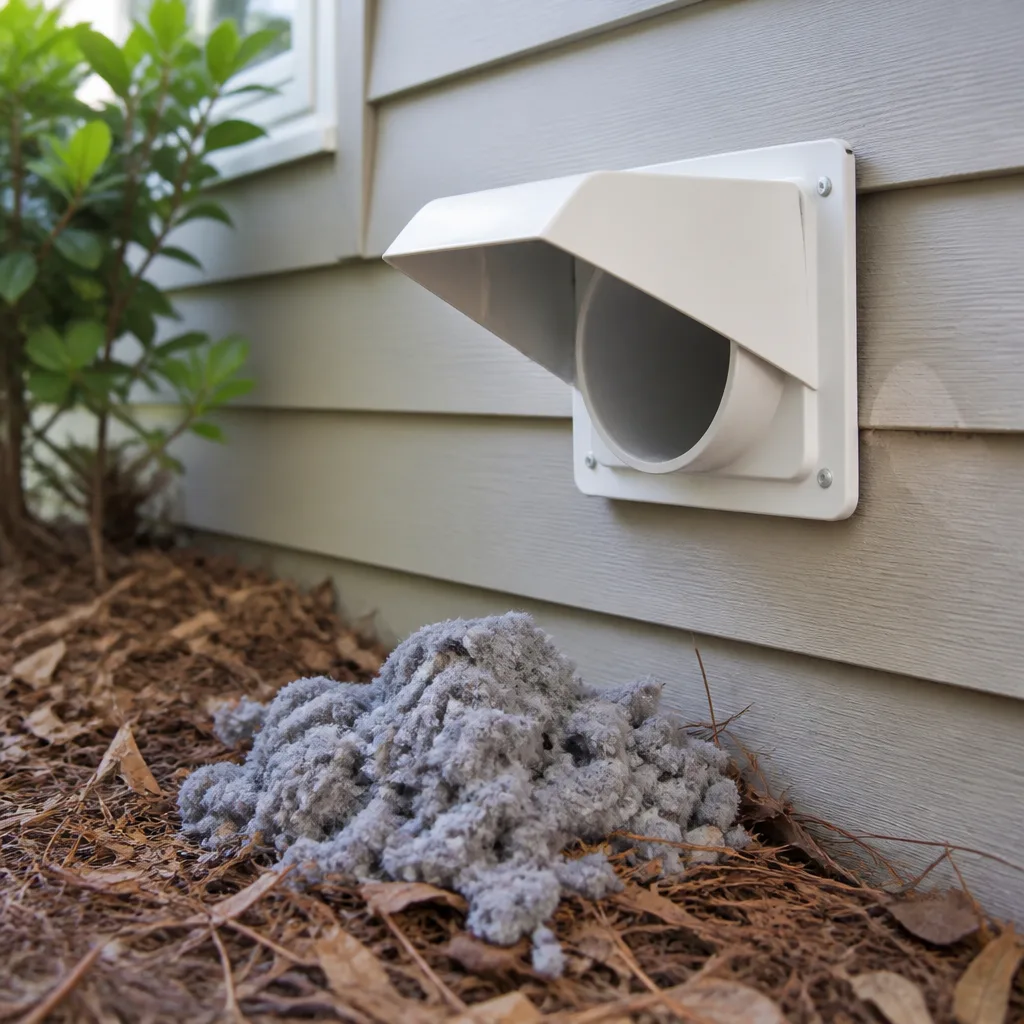 Dryer vent cleaning
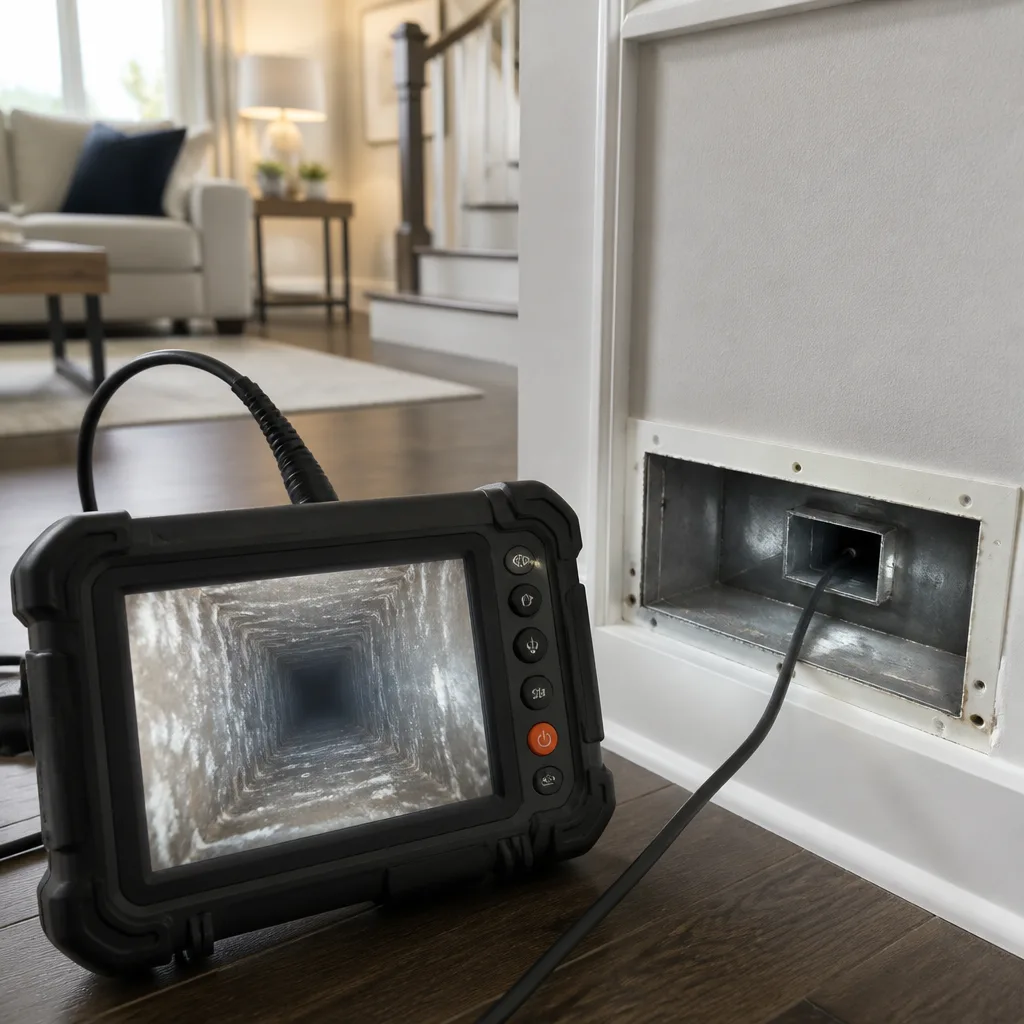 Camera inspection
 Sanitizing & deodorizing
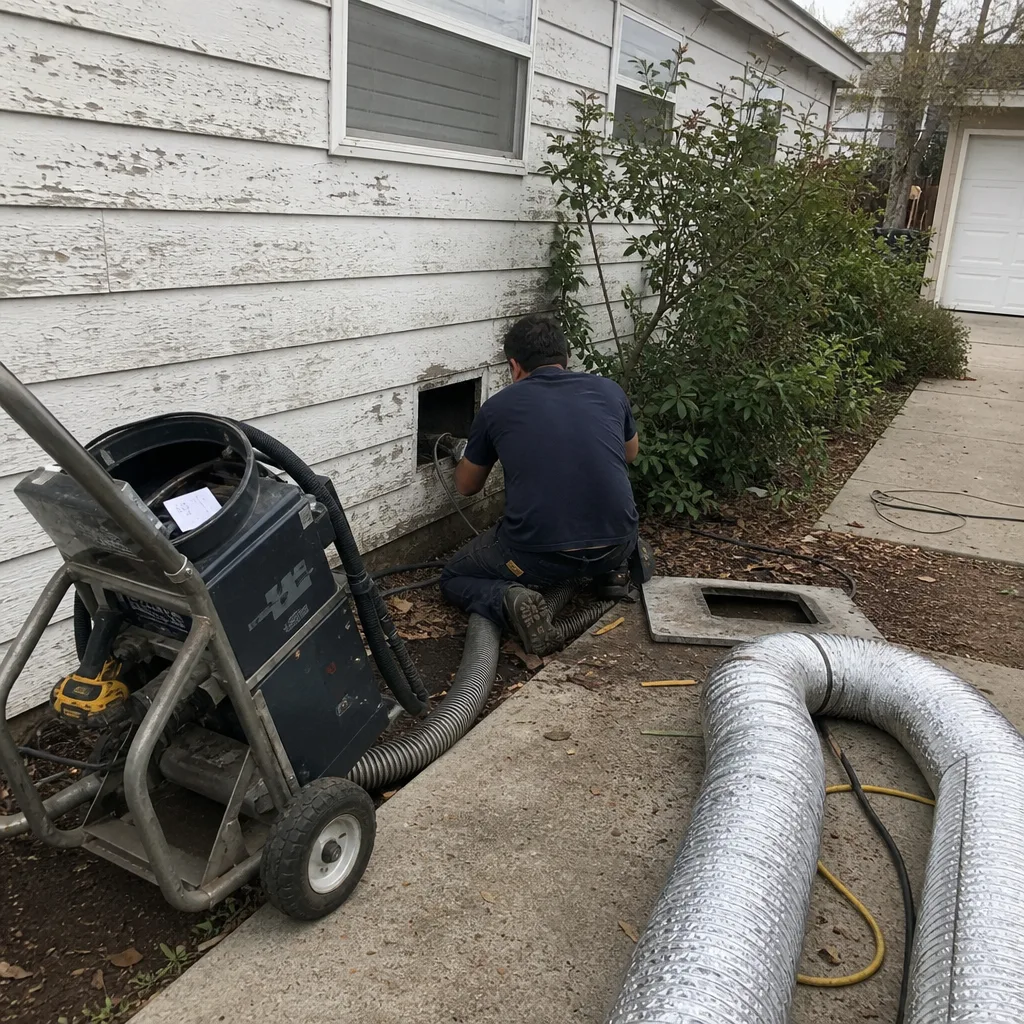
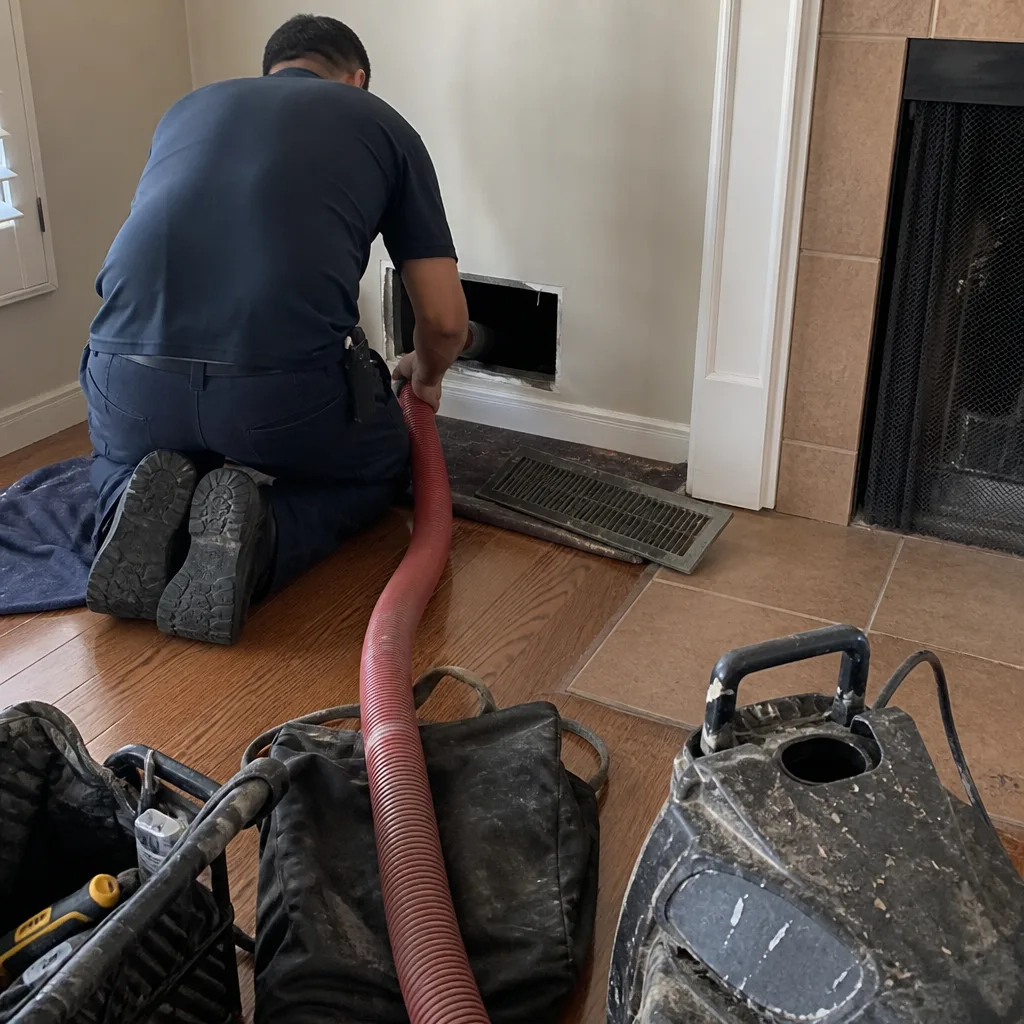
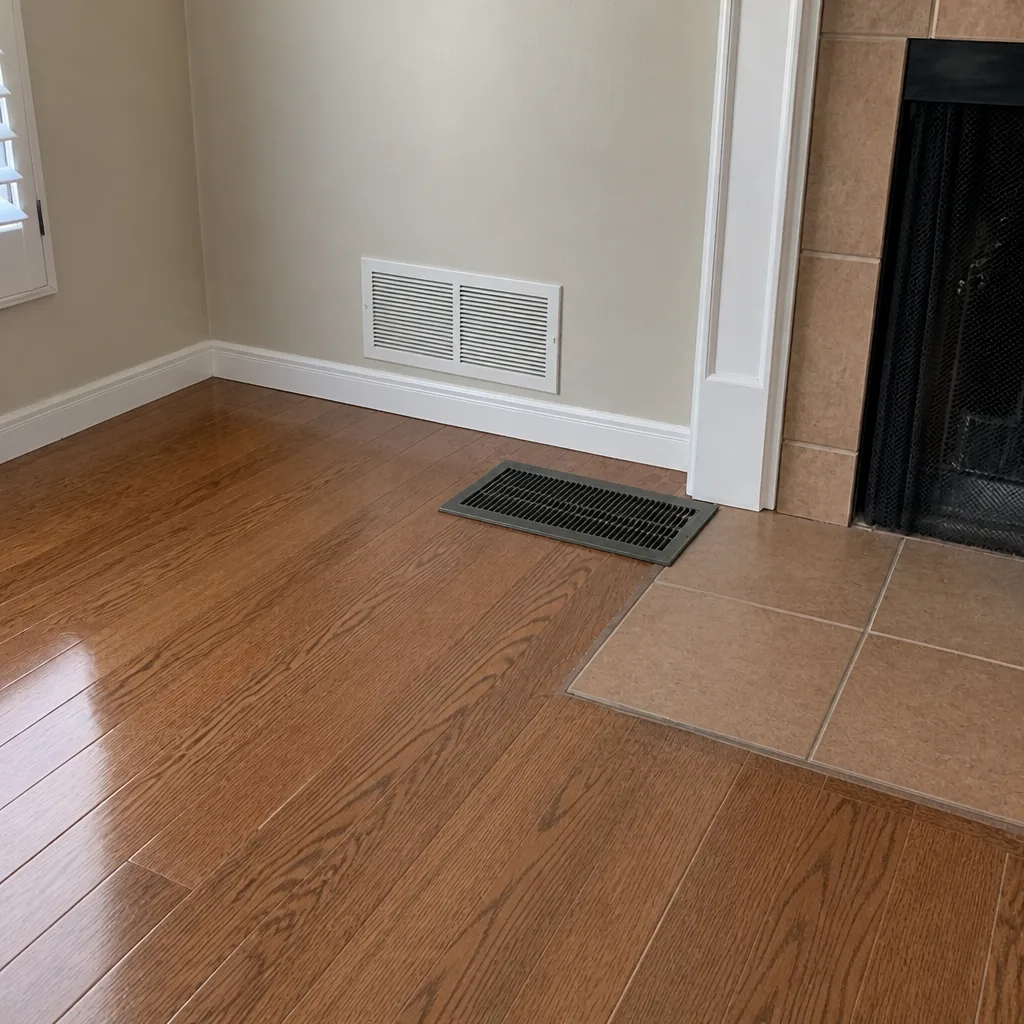
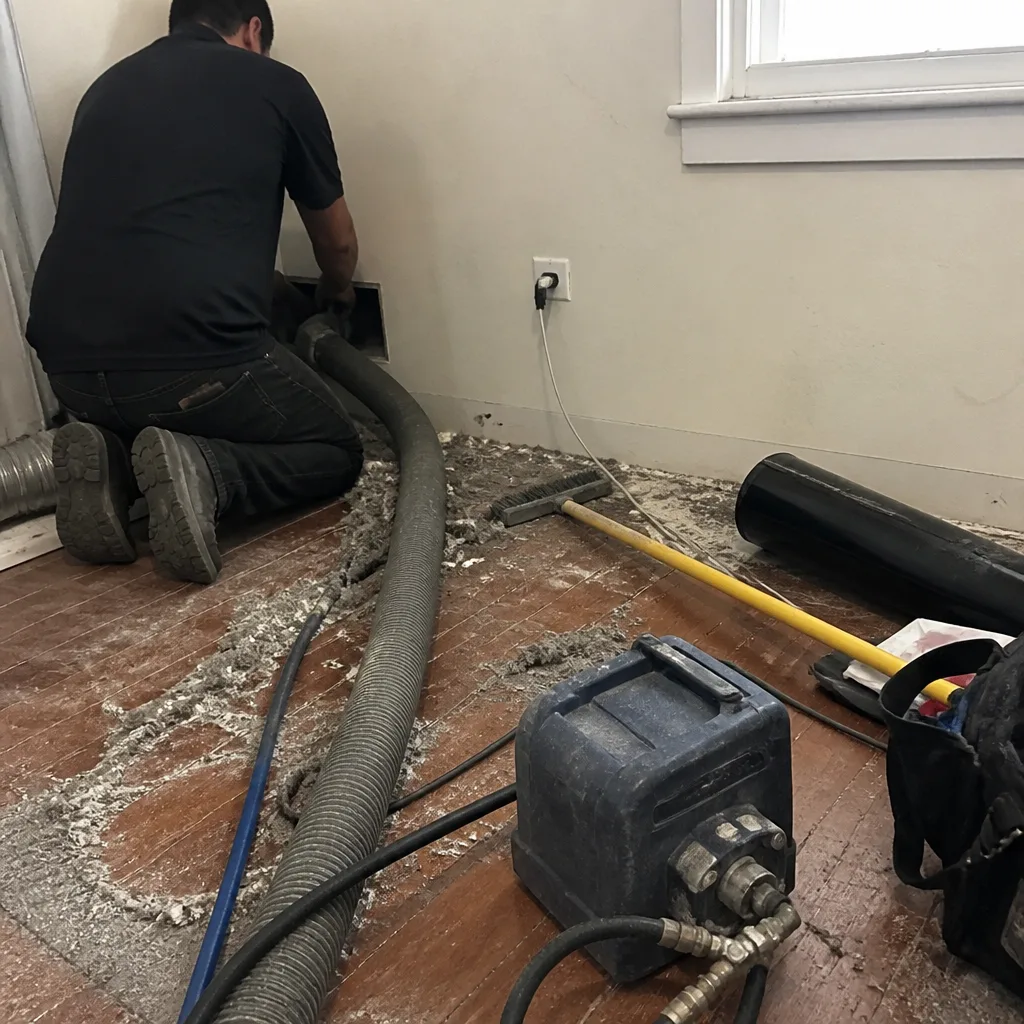
Whole-system duct and dryer vent check with before-and-after photos - you see exactly what came out of your vents
That "$99 whole-house special" is a bait ad - the real number appears once they are in your hallway, or the "clean" is a shop-vac at the register. We photograph the inside of your ducts before and after instead.
Air Duct Cleaning Permits, Codes & Inspections in Castro Valley, CA: What You Need to Know
Most homeowners in Castro Valley assume that if a contractor touches their ductwork, someone pulled a permit. That assumption is wrong more often than you’d think, and it’s not the cleaning part that gets people in trouble. The issue is the blurry line between what counts as maintenance and what counts as modification. A company that retapes a loose joint or seals a plenum without documentation is quietly creating a problem that surfaces years later, usually when you’re sitting at a closing table and a buyer’s inspector flags mechanical work with no paper trail. This guide walks through exactly where that permit line sits in Alameda County, what California code actually says, and how to keep your records clean if you ever sell your home.
Quick Answer
Routine air duct cleaning does not require a building permit anywhere in California, including Castro Valley. The moment a technician repairs, replaces, modifies, or seals ductwork as a corrective action, the project enters the territory of the California Mechanical Code and Title 24, where permits and licensed contractor documentation typically apply. If you’re only having debris removed from existing ducts, no permit is needed. If you’re having anything structurally changed, you need a paper trail.
Table of Contents
- Cleaning vs. Repair: Where the Permit Line Actually Falls
- What California Title 24 and the CMC Say About Ductwork
- Alameda County Permit Jurisdiction for Castro Valley Homes
- Duct Sealing and California Energy Compliance
- What Home Inspectors and Buyer’s Agents Look For
- How to Keep Your Ductwork Records Clean
- Common Mistakes to Avoid
- When to Call a Professional
- Frequently Asked Questions
- The Bottom Line
Cleaning vs. Repair: Where the Permit Line Actually Falls
Understanding the difference between cleaning and repair is the single most useful thing a Castro Valley homeowner can do before hiring any duct contractor. In California, air duct cleaning is classified as routine maintenance, much like changing a furnace filter or cleaning a bathroom exhaust fan. No permit, no license beyond a standard business registration, no code inspection. The technician is removing accumulated debris using agitation and negative-pressure extraction, nothing structural changes.
Repair is different in every way that matters legally. Repair means a joint was disconnected and reconnected, a section of duct was cut out and replaced, a damper was installed, a plenum was patched, or mastic was applied to close a leak. Once you’re modifying the system rather than maintaining it, the California Mechanical Code applies. That means permits through Alameda County, work performed by a properly licensed contractor, and inspection records that follow the property.
Here’s the practical problem we see in our own work: many companies blur this line in their proposals. A written estimate might say “cleaning and sealing,” which sounds like one service, but legally those are two scopes. The cleaning portion is maintenance. The sealing portion is mechanical repair. A proper proposal separates them, notes the permit requirement if sealing is needed, and gives the homeowner a clear record of what was done and under what classification.
- Cleaning scope: Remove debris from supply and return ducts, registers, grilles, and plenums using mechanical agitation and HEPA-rated extraction. No structural change. No permit.
- Repair scope: Replace damaged duct sections, reconnect separated joints, seal leaks with mastic or foil tape, add or replace dampers, modify plenums. Structural change. Permit typically required.
- Sealing scope: This is the gray zone. If sealing is done as part of maintaining system integrity, Alameda County may classify it as repair. If it’s done to meet energy performance standards, Title 24 documentation may be required.
The takeaway for homeowners in Castro Valley is not that you should avoid repairs. It’s that you should know which box your project falls into before you sign anything.
What California Title 24 and the CMC Say About Ductwork
California regulates mechanical work through two overlapping frameworks: the California Mechanical Code (CMC), which governs how mechanical systems are installed and modified, and Title 24, Part 6 of the California Code of Regulations, which governs energy efficiency standards for buildings. Both apply to ductwork modifications in Castro Valley, even though neither applies to routine cleaning.
The CMC is built on the International Mechanical Code with California-specific amendments. It covers everything from duct material standards to joint construction to ventilation rates. When a contractor replaces a section of duct or reconnects a separated plenum, that work falls under CMC Chapter 6, which addresses duct systems. Work performed under the CMC needs to be done by a licensed contractor, and in most cases the work needs a permit issued by the local enforcement agency, which for Castro Valley is Alameda County.
Title 24 is where things get specific to California’s energy code. Part 6 sets performance requirements for building systems, including duct leakage limits. If ductwork in a Castro Valley home is repaired or sealed, the work may need to meet Title 24 energy performance standards, and the contractor may need to provide documentation proving that it does. This is especially relevant when ducts run through unconditioned spaces like attics and crawlspaces, which is common in the homes throughout Castro Valley’s hillside and canyon neighborhoods.
Here’s what this means in plain terms:
- If your ductwork is just being cleaned, Title 24 doesn’t come into play.
- If a damaged section is being replaced, the replacement work should meet CMC standards and the contractor should be able to document compliance.
- If your ducts are being sealed to reduce leakage, especially in unconditioned space, Title 24 energy compliance documentation may be required, and you should ask for it in writing.
A knowledgeable contractor working in Castro Valley will be able to tell you which code applies to your specific situation. If they can’t or won’t answer that question, that’s a signal worth paying attention to.
Alameda County Permit Jurisdiction for Castro Valley Homes
Castro Valley is an unincorporated community, which means it does not have its own city building department. Permits for mechanical work are issued through Alameda County’s Community Development Agency. This is a detail that surprises a lot of homeowners, especially those who moved here from nearby incorporated cities like Hayward or San Leandro, where permitting runs through city hall.
For practical purposes, here’s what that means. If you need a mechanical permit for duct repair or replacement in Castro Valley, you or your contractor will deal with Alameda County, not the Town of Castro Valley and not any city office. The county reviews the scope of work, issues the permit, and schedules inspections. A licensed HVAC or mechanical contractor who works regularly in Castro Valley will be familiar with county procedures, and that familiarity saves time and avoids filing errors.
There’s another distinction worth making clear. Some homeowners believe that because duct cleaning doesn’t require a permit, any contractor who offers duct cleaning is allowed to also perform repairs. That’s not how licensing works in California. A contractor who repairs or modifies ductwork needs a C-20 warm-air heating, ventilating, and air-conditioning contractor’s license from the Contractors State License Board. A business that only cleans ducts may not hold that license, and if it doesn’t, it cannot legally perform repair work. This is exactly why we separate cleaning and repair in our own proposals at Duct Cleaning Castro Valley: the scopes are governed by different rules, and mixing them muddies the legal picture.
If you’re planning a larger renovation in Castro Valley that includes moving or extending ductwork, the permit pathway is more involved. The county will want to see a plan, the work will be inspected, and the inspection record becomes part of your home’s property file. Skipping that process to save a few hundred dollars is a false economy when you factor in the cost of retroactive permitting, which can be double or more the original fee, plus years of uncertainty.
Duct Sealing and California Energy Compliance
Duct sealing is where Castro Valley homeowners most often stumble into the permit conversation without realizing it. Sealing ducts, whether it’s done with mastic, foil tape, or an aerosol sealing product, is generally classified as a modification rather than maintenance under California energy rules. It changes the performance characteristics of the system, and that’s precisely the point. A sealed duct system leaks less, which means the HVAC system uses less energy and the home performs closer to its Title 24 design assumptions.
Here’s the twist. Many companies present duct sealing as an add-on to cleaning, the way a car wash might offer a wax upgrade. But sealing isn’t cosmetic, and in California it has a regulatory dimension. If duct sealing is performed on a system that will later be evaluated for energy compliance, whether during a home sale, a refinance with an energy rider, or a utility rebate program, the homeowner needs documentation of what was sealed, who performed the work, and ideally a before-and-after test showing the leakage reduction.
For most of the homes we work in across Castro Valley, from the flatlands near Castro Valley Boulevard up into the canyons, we recommend treating sealing work with the same documentation rigor as a repair. Ask for:
- A written scope that says exactly what will be sealed and with what material
- A summary of the leakage testing method, if test results are available
- A clear statement from the contractor about whether the work is classified as maintenance or modification
- Confirmation that the contractor’s license class covers mechanical sealing work
The equipment side matters here too, because sealing without proper extraction can make a mess and create a false sense of completeness. At Duct Cleaning Castro Valley, our process uses Rotobrush rotary brush systems to dislodge material, Nikro HEPA-rated vacuums to pull it out, and Abatement Technologies units for negative-pressure containment. That containment step matters when sealing work releases particulates into the living space; without it, you’re trading one indoor air problem for another.
What Home Inspectors and Buyer’s Agents Look For
Castro Valley has a competitive real estate market, and buyer’s agents here tend to be thorough about HVAC systems. A home inspector is not a code enforcement officer, but a good inspector knows how to read the physical evidence of permitted versus unpermitted work. They look for permit stickers on the furnace, inspection records, contractor stickers or tags on duct sections, and the overall consistency of the work quality.
What they’re really doing is looking for signs of undocumented mechanical work. If a section of duct looks newer than the rest, if there’s visible mastic that doesn’t match the surrounding system, or if the homeowner can’t produce any records for repair work that clearly happened, the inspector notes it. The buyer then has a choice: accept the unknowns, ask the seller to correct the documentation, or renegotiate.
We’ve been around this enough to know that the documentation gap is almost always more expensive than the permit would have been. A retroactive permit after discovery closes the gap but takes time and money at exactly the point in the transaction when neither party wants friction. The seller has already moved mentally; the buyer has a mortgage rate locked. A clean file keeps the closing moving.
Here’s what we recommend to homeowners in Castro Valley who are planning to sell within the next few years:
- Audit your records now. Gather any invoices, scopes of work, and permit numbers for HVAC or duct work performed since you bought the home.
- If you’re doing repair work before listing, permit it properly. The document trail is a selling point, not a liability.
- If you’re not sure whether prior work was permitted, have a licensed contractor do a records review. They can tell you what the work looks like and what should exist on paper.
- Keep the cleaning records separate from repair records. Cleanings don’t need permits, but having a maintenance log shows the system was cared for and helps buyers feel confident about the home’s overall condition.
A well-maintained, well-documented duct system is one of those unglamorous details that can keep a Castro Valley transaction on track.
How to Keep Your Ductwork Records Clean
The best time to organize your ductwork documentation is before you need it. If you’re a homeowner in Castro Valley, start a simple folder, either paper or digital, for everything related to your HVAC and duct system. It doesn’t need to be elaborate; it needs to exist.
Here’s a practical system that works, whether your home is a mid-century rancher or a 1990s two-story:
- Maintenance log. Note the date, service provider, scope of work, and cost for every cleaning or inspection. Our air duct cleaning visits always produce a written summary of what was found and what was done, and we encourage homeowners to file those.
- Repair records. If any duct section was replaced, any joint was reconnected, or any sealing material was applied, file the proposal, the invoice, and the permit number if one was pulled. These records answer the buyer’s inspector’s questions before they’re asked.
- Permit copies. If a permit was pulled through Alameda County, keep the permit document and the final inspection sign-off. This is the strongest proof you can offer that work was done legally.
- Contractor license information. Keep the company name, CSLB license number, and contact information for anyone who touched the ducts. A buyer’s agent will appreciate not having to chase this down years later.
For renters in Castro Valley, the picture is a bit different. You may not control the maintenance records, but you can document what you observe. If you’ve lived in a rental and noticed recurring dust or airflow problems, ask the property owner for maintenance history. In Alameda County, rental units are subject to habitability standards, and HVAC function is part of that. A paper trail helps you if the system isn’t being maintained.
The broader point is this: ductwork is part of the mechanical system of your home, and like any other system, it deserves a service history. When you maintain Castro Valley homes for long enough, you see that the ones with clean records are the ones that sell cleanly.
Common Mistakes to Avoid
- Assuming cleaning and repair are the same legal category. They’re not. Cleaning is maintenance; repair is modification under California code. If a proposal lumps them together without clarifying scope, ask for it to be separated before you sign.
- Hiring a cleaning-only company to do repairs. In California, mechanical repair work requires a C-20 license. A company that only cleans ducts may not hold it. Verify the license class before authorizing any repair work.
- Skipping the permit on duct sealing. Sealing is often classified as modification, especially when it’s done to meet energy performance standards. If the sealing work changes system performance, paper matters.
- Not keeping proposals and invoices. A homeowner who replaced a duct section five years ago and kept no records will face questions at resale. File every document, even if the job feels small.
- Confusing county and city permitting. Castro Valley is unincorporated. Permits go through Alameda County, not a city building department. Getting this wrong causes delays and frustration.
- Assuming an inspector won’t notice unpermitted work. Inspectors read the physical evidence: mismatched sections, new mastic on old ducts, inconsistent materials. They’ll see it, and so will the buyer’s agent.
- Believing that all duct cleaning is equal. Equipment and process matter. A company using a shop vac and a brush is not doing the same job as one using HEPA-rated extraction and negative-pressure containment. The latter protects indoor air during the work; the former may just stir dust around.
When to Call a Professional
If you’ve just moved into a home in Castro Valley and don’t know the condition of the ductwork, start with a professional assessment. We offer free estimates, and our technicians will tell you honestly whether the system needs cleaning, repair, or both. If you’ve noticed airflow that’s suddenly weaker in one room, or you can see visible duct damage in an attic or crawlspace, that’s a repair question, not just a cleaning question, and it should be treated accordingly. If you’re selling and your buyer’s inspector flagged mechanical work with no records, you need a licensed contractor who can review the system and tell you what can be documented retroactively. Duct Cleaning Castro Valley offers free estimates in Castro Valley. Call (855) 382-9257 to schedule yours. Our technicians work with Rotobrush agitation, Nikro HEPA extraction, and Abatement Technologies containment, and we’re a full-service provider for duct cleaning Castro Valley, repair, and dryer vent cleaning.
Frequently Asked Questions
No. Routine air duct cleaning is classified as maintenance in California, and no permit is required anywhere in Alameda County, including Castro Valley. The requirement changes only if the technician repairs, replaces, modifies, or seals the ductwork as part of the job. Call (855) 382-9257 if you’re not sure which category your project falls under; we can tell you what the scope requires.
In most cases, yes. Duct sealing is treated as a modification under California Mechanical Code and Title 24 energy standards because it changes system performance. If you’re having ducts sealed in Castro Valley, ask the contractor to confirm whether the work requires a permit through Alameda County and to provide documentation of the scope. We answer 24/7 at (855) 382-9257 if you need help clarifying a proposal.
Because Castro Valley is unincorporated, mechanical permits are issued by Alameda County’s Community Development Agency, not a city building department. Your contractor should be familiar with county filing procedures; if they are not, that’s a sign you’re working with someone who doesn’t do much local work.
Start by checking your property file with Alameda County for any mechanical permits. If no record exists and the work clearly happened, a licensed contractor can review the system and advise you on what can be documented retroactively. Having this conversation before you list your Castro Valley home will save time and protect your transaction.
A contractor performing duct repair or modification in California typically needs a C-20 warm-air heating, ventilating, and air-conditioning contractor’s license from the Contractors State License Board. Cleaning ducts does not require this license, which is why the two scopes should always be separated in a written proposal.
Dryer vent cleaning is maintenance, not mechanical modification, so no permit is required as long as the vent is being cleaned and not rerouted or rebuilt. However, dryer vent cleaning addresses a different risk profile than HVAC duct cleaning, and it should be done with proper equipment. We answer 24/7 at (855) 382-9257 if you want a free estimate on either service.
The Bottom Line
Air duct cleaning in Castro Valley is a straightforward, permit-free service when it’s done as maintenance. But the legal picture shifts the moment the work crosses into repair, replacement, or sealing territory, and many homeowners don’t realize that until a real estate inspector asks uncomfortable questions. Keep the two scopes separate in every proposal, know that permits run through Alameda County, and keep a file for your ductwork the way you would for your roof or your water heater. Documentation is cheaper than correction, and in Castro Valley’s market, clean records sell houses.
Written by the team at Duct Cleaning Castro Valley, serving Castro Valley since 2012.
Styles & brands we work with
- Whole-home duct cleaning
- Dryer vent cleaning
- Camera inspection
- Sanitizing & deodorizing
See the difference
 Before
 After
 Before
 After
 Before
 After